
Teresa Palmer – Quick Info
- Full Name: Teresa Mary Palmer
- Born: February 26, 1986, Adelaide, South Australia, Australia
- Age: 40 years (as of 2026)
- Profession: Australian actress, writer and producer
- Years Active: 2003–present
- Best Known For: Warm Bodies, Lights Out, Hacksaw Ridge and A Discovery of Witches
- Husband: Mark Webber, whom she married in 2013
- Children: Five biological children; also stepmother to her husband’s son

| Teresa Palmer – Biography | |
| Name | TERESA PALMER |
| Full Name | Teresa Mary Palmer |
| Date of Birth | February 26, 1986 |
| Age (as of 2026) | 40 years |
| Birthplace | Adelaide, South Australia, Australia |
| Nationality | Australian |
| Height | Approximately 1.64 m (5 ft 4½ in) |
| Marital Status | Married to American actor and filmmaker Mark Webber since 2013 |
| Profession | Australian actress, writer, producer, model and podcaster known for her versatile work in film and television |
| Known For | Her roles in Warm Bodies, Lights Out, Hacksaw Ridge and A Discovery of Witches |
| Best Known For | Playing Julie Grigio in Warm Bodies and Diana Bishop in the supernatural series A Discovery of Witches |
| Industry | Film and television, with a career spanning Hollywood production, Australian cinema and international television |
| Breakthrough Recognition | Gained early critical recognition for her performance in 2:37 (2006), which premiered at the Cannes Film Festival and earned her an AFI Award nomination |
| Net Worth | Teresa Palmer’s exact net worth has not been publicly verified, and widely circulated online estimates should be treated as unofficial |
| Social Media Presence | Teresa Palmer maintains an active presence on Instagram and Facebook, where she shares updates about her career, family life, wellness interests and creative projects |
| Social Media Links | Instagram and Facebook |

Teresa Palmer Biography: From Adelaide Beginnings to Hollywood Stardom and a New Australian Chapter
“From an Adelaide girl with an unlikely break to one of Australia’s most recognisable international screen stars, Teresa Palmer has built a career on versatility, courage and deeply personal storytelling”
Detailed Article Summary
Teresa Palmer is an Australian actress whose journey from Adelaide to Hollywood is a story of persistence, versatility and a willingness to take unexpected opportunities. Born on February 26, 1986, in Adelaide, South Australia, Palmer did not begin her career through a conventional Hollywood route.
Before becoming an internationally recognised performer, she experienced a relatively ordinary upbringing, attended Mercedes College and worked a number of everyday jobs. Her entry into the entertainment industry came at a young age, eventually leading her to the Australian film “2:37”, a project that would dramatically change the direction of her life and establish her as one of Australia’s promising young screen performers.
Palmer’s early acting career developed rapidly during the mid-2000s. Following her appearance in “Wolf Creek”, she received considerable attention for her performance in “2:37”, in which she portrayed a troubled teenager caught up in a deeply unsettling story about adolescence, friendship and tragedy.
The film was selected for the 2006 Cannes Film Festival in the “Un Certain Regard” section, giving the young actress international exposure. Her performance was also recognised with an Australian Film Institute Award nomination. From there, Palmer continued building her résumé with projects such as The Grudge 2, December Boys and Restraint, gradually demonstrating that she could handle very different genres and characters.
A major turning point came when Palmer moved to Los Angeles and began pursuing opportunities in the American entertainment industry. Hollywood brought larger productions and greater visibility, but it also exposed her to the uncertainty that comes with a highly competitive acting market.
She appeared in films including Bedtime Stories, The Sorcerer’s Apprentice, I Am Number Four and Take Me Home Tonight. Rather than becoming associated with only one type of role, Palmer continued moving between fantasy, comedy, action, romance and drama. This willingness to experiment became an important feature of her career and helped her remain professionally relevant as her roles became increasingly varied.
For a worldwide audience, Palmer’s major breakthrough into mainstream recognition came with “Warm Bodies” in 2013. Playing ‘Julie Grigio’ opposite Nicholas Hoult, she helped anchor a film that combined romance, comedy and supernatural horror in an unusually accessible way.
Her subsequent work in “Lights Out” further strengthened her association with horror and suspense, while her appearance as Dorothy Schutte in Mel Gibson’s “Hacksaw Ridge” allowed audiences to see a more dramatic and emotionally grounded side of her acting. These roles helped establish Palmer as an actress who could move comfortably between commercially successful genre entertainment and serious dramatic material.
Television introduced another important chapter in Palmer’s career when she took on the role of Diana Bishop in “A Discovery of Witches”. The fantasy drama, adapted from Deborah Harkness’s “All Souls” novels, gave Palmer the opportunity to remain with one character for several seasons and explore Diana’s development in considerably greater depth.
Palmer has described Diana as a complex character whose strength exists alongside vulnerability and insecurity, qualities that helped her connect personally with the role. The series ran from 2018 to 2022 and became one of the most recognisable television credits of Palmer’s career.
Her television work continued with “The Clearing” in 2023, where Palmer played Freya Heywood, a woman confronting the psychological consequences of a disturbing childhood. The darker subject matter appealed to Palmer’s interest in exploring trauma and complicated human behaviour.
The role also demonstrated how her performances had evolved beyond the romantic and genre-oriented roles that initially brought her international recognition. Her later Australian productions have continued this trend, giving her opportunities to portray women dealing with family, identity, relationships, grief and personal history.
Palmer’s personal life has also become an important part of her story, although she has maintained a career that extends well beyond celebrity publicity. She married American actor and filmmaker Mark Webber in 2013, and the couple have built a family together. Palmer is also a stepmother, and motherhood has increasingly influenced the way she talks about work, family and the choices she makes professionally.
Her interest in parenting and wellness has extended into projects outside conventional acting, including podcasting and other creative ventures. These interests have given audiences a broader understanding of Palmer as a creative professional rather than simply an actress appearing on screen.
In recent years, Palmer has entered what could become one of the most significant new phases of her career: a return to Australian screen production. After spending approximately two decades working extensively in Hollywood, she increasingly sought opportunities that would allow her to work in Australia while remaining close to her family.
In 2025, she appeared in three Australian television dramas — The Last Anniversary, Mix Tape and The Family Next Door. The concentration of major roles in one year demonstrated that returning home was not a retreat from international work, but instead another stage in her professional development. Palmer has spoken about her enthusiasm for Australian storytelling and her desire to contribute to the country’s screen industry.

Teresa Palmer’s Biography at a Glance
- Full name: Teresa Mary Palmer
- Born: February 26, 1986
- Birthplace: Adelaide, South Australia, Australia
- Nationality: Australian
- Profession: Actress
- Additional creative roles: Producer, writer and podcaster
- Years active: 2003–present
- Early breakthrough: 2:37 (2006)
- International breakthrough: Warm Bodies (2013)
- Major horror roles: Warm Bodies, Lights Out and The Twin
- Major dramatic role: Dorothy Schutte in “Hacksaw Ridge”
- Major television role: Diana Bishop in “A Discovery of Witches”
- Later television role: Freya Heywood in “The Clearing”
- 2025 Australian television projects: The Last Anniversary, Mix Tape and The Family Next Door
- Husband: Mark Webber
- Marriage: 2013
- Children: Five
- Notable professional interests: Acting, producing, writing, podcasting, parenting and wellness
- Known for: Combining mainstream Hollywood productions with independent films and character-driven Australian television
- Current career direction: Increasing involvement in Australian film and television while continuing international screen work
Taken together, Teresa Palmer’s story is not simply that of an Australian actress who made it in Hollywood. It is the story of someone who has repeatedly changed direction without abandoning the foundations of her career.
From the unexpected opportunity that led to “2:37”, through the demanding transition to Hollywood, the international success of “Warm Bodies”, the emotional complexity of “A Discovery of Witches” and “The Clearing”, and her recent return to Australian television, Palmer has continued to expand rather than narrow her professional identity. Her career today reflects an established performer who is increasingly interested in meaningful stories, family, creative independence and the Australian screen industry.

Teresa Palmer Biography – Lead Introduction
Teresa Mary Palmer is an Australian actress who has built a remarkably varied career across independent cinema, Hollywood blockbusters, horror films, romantic dramas and prestige television. Over more than two decades, she has moved comfortably between commercially driven productions and emotionally demanding character work.
She first attracted serious attention through the Australian drama “2:37”, later became internationally recognisable through films such as Warm Bodies, Lights Out and Hacksaw Ridge, and reached an even wider television audience as Diana Bishop in “A Discovery of Witches”.
What makes Palmer’s career particularly interesting is that her path into acting was hardly conventional. She was raised in Adelaide and worked ordinary part-time jobs before the entertainment industry began opening its doors to her.
Her early years included retail and fast-food work, acting classes and promotional jobs, rather than the highly structured route often associated with Hollywood performers. A casting opportunity connected her with “2:37”, and the success of the film at Cannes helped convince her that acting could become a genuine profession.
Her subsequent move to Los Angeles marked the beginning of a demanding new chapter. Palmer had to adapt to an unfamiliar industry while auditioning for increasingly ambitious roles. Not every opportunity worked out: she was initially cast in “Jumper” before the role was recast, while “Justice League: Mortal”, in which she had been attached to play ‘Talia al Ghul’, was ultimately cancelled. Instead of allowing those setbacks to define her career, she continued taking on different genres and gradually established herself as an actress capable of moving between mainstream entertainment and more challenging material.
That versatility became particularly apparent during the 2010s. “I Am Number Four” showcased her action credentials, “Warm Bodies” brought her romantic and comedic appeal to a worldwide audience, and “Lights Out” established her as a memorable figure in contemporary horror. Her performance as Dorothy Schutte in Mel Gibson’s “Hacksaw Ridge” added another serious dramatic credit, while films such as “Berlin Syndrome” and “Ride Like a Girl” demonstrated her willingness to take on psychologically layered Australian stories.
Palmer’s career has also increasingly intersected with her personal interests. Her work outside acting has included producing, writing and podcasting, while her public conversations frequently touch on motherhood, family life and wellness. Her collaboration with her husband, Mark Webber, on “The Ever After” was particularly personal: the couple wrote and starred in the film, with Webber directing.
Today, Teresa Palmer represents an interesting bridge between Hollywood and the Australian entertainment industry. After spending many years working internationally, she has increasingly returned to Australian productions. Her three-drama run in 2025 — The Last Anniversary, Mix Tape and The Family Next Door — signalled an especially significant homecoming, with Palmer explaining that working in Australia allows her to remain closer to her family while participating in stories she considers meaningful.

Teresa Palmer: Personal Information at a Glance
- Full name: Teresa Mary Palmer
- Date of birth: February 26, 1986
- Age: 40 years old as of August 2026
- Birthplace: Adelaide, South Australia, Australia
- Nationality: Australian
- Profession: Actress
- Other occupations: Model, writer, producer and podcaster
- Years active: 2003–present
- Height: Approximately 1.64 m (5 ft 4½ in)
- Spouse: Mark Webber
- Marriage: 2013
- Children: Five biological children; she is also stepmother to Mark Webber’s son
- Best known for: Warm Bodies, Lights Out, Hacksaw Ridge and A Discovery of Witches
- Major television role: Diana Bishop in “A Discovery of Witches”
- Recent Australian television work: The Last Anniversary, Mix Tape and The Family Next Door
- 2026 film: The Get Out
- Upcoming/2026 project: 4 Kids Walk Into a Bank

Teresa Palmer’s Early Life and Childhood
Teresa Mary Palmer was born on February 26, 1986, in Adelaide, South Australia, and her early years were shaped by an upbringing that was considerably more modest and complicated than the glamorous image often associated with a Hollywood actress. Her parents, Kevin Palmer and Paula Sanders, separated when Teresa was three and later divorced. Her father worked as an investor, while her mother had worked as a nurse and missionary.
Palmer spent much of her childhood moving between her mother’s public-housing home and her father’s farm in the Adelaide Hills. That contrast between two very different family environments became an important part of her childhood experience and later influenced the grounded outlook she brought to her career and family life.
Palmer has been candid about describing her childhood as difficult at times, particularly because of her mother’s struggles with mental health. At the same time, she has spoken about the deep love she received from both of her parents and the different qualities they brought into her life.
Her mother was deeply religious and had originally considered becoming a nun before choosing a career in nursing, while her father provided a contrasting influence. Palmer’s childhood therefore involved navigating very different personalities, lifestyles and expectations. In later interviews, she has reflected on how those experiences shaped her independence, imagination and understanding of family relationships.
Growing up largely as an only child also meant that Palmer spent considerable time developing her own imagination. She has suggested that being without siblings encouraged her to look inward and create her own forms of entertainment. Her connection with the Adelaide Hills was particularly significant.
Time spent at her father’s property gave her an appreciation for the countryside and a sense of connection to the place where she grew up. Interestingly, that family connection to the Adelaide Hills continued well into her adult life, as Palmer eventually became the owner of the same property where she had spent part of her childhood.
Education played an important role during Palmer’s teenage years. She attended Mercedes College, a private Catholic day school in Adelaide, where she completed her high-school education in 2003. According to biographical accounts, Palmer was a lively and popular student who was known for her sense of humour and practical jokes.
Also Read Detailed Biographies of
Twinkal Yadav | Chef Tejasvi Chandela | Suruchi Adarkar | Olivia DeJonge | Josephine Langford | April Rose Pengilly | Adriana Lima | Jess Davies | Amanda Abizaid | Laura Anderson | Hazal Kaya | Gargi Raut | Bella Hadid | Ayushi Shekhawat | Aubri Ibrag | Julia Nobis | Khushi Mali | Puja Bharadwaj
At that stage, however, becoming a professional actress was not necessarily a clearly defined career plan. She had considered working in animal rescue and even imagined eventually establishing an organisation dedicated to animal welfare. Her early ambitions reveal that her eventual journey into entertainment was far from predetermined.
The first real indication that acting could become more than a passing interest arrived when Palmer was 17. In 2003, she won a local casting competition called “Search for a Movie Star”, which led to some rather unusual first experiences in front of the public. Rather than immediately stepping onto a film set, she worked promotional jobs in Adelaide shopping centres, including dressing as Strawberry Shortcake and later working as an elf assistant to Santa Claus.
She also attended acting classes, appeared in television commercials and worked ordinary retail and fast-food jobs, including positions at Cotton On and Hungry Jack’s. These early experiences may seem a long way removed from Hollywood, but they gave Palmer her first taste of performance and gradually encouraged her to take acting seriously.
After finishing school, Palmer initially enrolled in university with plans connected to teaching and journalism, while still carrying a strong personal desire to act. Her direction changed dramatically when an agent contacted her about an opportunity in an independent student film.
Director Murali K. Thalluri had seen Palmer’s photograph through an acting agency and became interested in casting her in “2:37”. Palmer ultimately left university to pursue the project, a decision that proved to be the defining turning point of her early life. The film would premiere at the 2006 Cannes Film Festival and earn Palmer an Australian Film Institute Award nomination, transforming an unexpected opportunity into the beginning of a professional acting career.
Looking back at Teresa Palmer’s early life, what stands out is how far removed her beginnings were from the conventional image of a future Hollywood star. She grew up between Adelaide’s suburbs and the Adelaide Hills, experienced the complexities of a divided family, worked ordinary jobs and initially contemplated entirely different careers. Yet those experiences also appear to have given her a strong sense of independence and adaptability.
The young woman who once entertained children in a Strawberry Shortcake costume would eventually become an internationally recognised actress—but the foundations of that career were laid much earlier, in the ordinary and sometimes challenging years of her childhood in South Australia.

How Teresa Palmer Started Her Acting Career
Teresa Palmer’s acting career began in a surprisingly unconventional way. While growing up in Adelaide, she had always been drawn to storytelling and performance, but she did not initially see acting as a realistic career option. After finishing high school, she explored other possibilities, including teaching and journalism, while taking acting classes and accepting whatever small entertainment opportunities were available to her.
In 2003, when she was 17, Palmer won a local casting competition called “Search for a Movie Star”. The opportunity did not immediately lead to glamorous film roles; instead, she found work in Adelaide shopping centres dressed as characters such as Strawberry Shortcake and Santa’s Little Helper. She has since recalled those early promotional jobs with humour, but they gave her practical experience performing in front of people and helped her get her photograph into an acting database.
The real turning point came when filmmaker ‘Murali K. Thalluri’ came across Palmer’s photograph while searching for young performers for his independent film “2:37”. Palmer was still very young and had relatively little professional acting experience, but Thalluri believed she was right for the role. She was subsequently cast as Melody, one of the troubled teenagers at the centre of the film.
Palmer has described “2:37” as the project that effectively ‘kickstarted’ her career, and the experience was particularly significant because she and Thalluri were both very young and learning the filmmaking process as they went along. The film was made on a small budget in Adelaide, but its ambition and Palmer’s performance ultimately took it far beyond the local independent-film scene.
“2:37” became a major early milestone when it was selected for the “2006 Cannes Film Festival’s Un Certain Regard” section. The film’s Cannes premiere brought Palmer international attention and helped convince her that acting could genuinely become her profession. Her performance was also recognised with an “Australian Film Institute Award nomination for Best Lead Actress”, giving the young actress an important early endorsement from the Australian film industry.
Palmer later recalled that the Cannes experience was surreal because she had only recently been an inexperienced young performer in Adelaide. The exposure also helped her make connections with international representatives, eventually opening the door to auditions and professional opportunities in the United States.
Following the success of “2:37”, Palmer’s career began moving at remarkable speed. She signed with a Sydney talent agent and soon secured roles in projects including The Grudge 2, December Boys and Restraint. Her appearance in “December Boys”, alongside Daniel Radcliffe, was particularly useful in introducing her to a wider international audience.
Palmer subsequently began auditioning for American productions and moved to Los Angeles in 2007 to pursue Hollywood opportunities more seriously. Her transition was not without setbacks — she had initially been attached to “Jumper” before the role was recast—but she continued working and soon appeared in films such as Bedtime Stories, The Sorcerer’s Apprentice and I Am Number Four.
What makes the beginning of Teresa Palmer’s career particularly memorable is that it was built less on a carefully planned route and more on a series of unexpected opportunities that she was prepared to embrace. She went from working in Adelaide shopping centres and taking acting classes to appearing at Cannes within only a few years.
Rather than treating her early success as a stroke of luck alone, Palmer has often acknowledged the combination of opportunity, preparation and persistence involved in establishing herself. “2:37” gave her the initial platform, but her willingness to keep auditioning, accept setbacks and move across the world ultimately transformed that first breakthrough into a sustained international acting career.

Teresa Palmer’s Move to Hollywood
Teresa Palmer’s decision to move to Hollywood was the natural next step after the unexpected success of “2:37” and the attention she received for her early Australian work. After the film’s selection at the 2006 Cannes Film Festival, Palmer began attracting interest from international representatives and travelled to Los Angeles for auditions. What initially began as a short visit quickly turned into something much more significant.
In 2007, at just 21 years old, she relocated permanently from Adelaide to Los Angeles, determined to find out whether she could build a sustainable acting career in the world’s most competitive film industry. Palmer has since described the move as one of the biggest adjustments of her life because Los Angeles felt dramatically different from the Adelaide she knew.
The early months were considerably harder than the glamour associated with Hollywood might suggest. Palmer arrived without an established social circle and initially found herself without regular work. In interviews, she has openly described that first year as lonely and difficult, admitting that she did not know anyone in Los Angeles and seriously questioned whether she had made the right decision.
She had come from a close-knit environment in Adelaide and suddenly found herself navigating auditions, meetings and everyday life largely on her own. Learning to live independently in a new country while trying to establish herself professionally proved to be a demanding experience, but Palmer ultimately chose to stay rather than return home. She later said that making friends and gradually settling into Los Angeles helped her overcome that difficult period.
Professionally, Palmer’s early Hollywood journey was a mixture of exciting opportunities and frustrating setbacks. She made her American feature-film debut in “The Grudge 2”, playing Vanessa Cassidy in the horror sequel, and was subsequently attached to Doug Liman’s science-fiction film “Jumper”. However, the latter opportunity ended painfully when the production’s lead characters were rewritten for older actors, resulting in Palmer and Tom Sturridge being replaced by Rachel Bilson and Hayden Christensen.
Palmer has spoken about how deeply disappointed she was by losing “Jumper”, to the extent that she temporarily returned to Australia and considered walking away from acting altogether. The experience became an important early lesson in the unpredictability of Hollywood and the fact that even securing a major role did not guarantee that it would reach the screen.
Rather than allowing those setbacks to end her career, Palmer returned to Los Angeles and continued working. She appeared in Bedtime Stories, The Sorcerer’s Apprentice, I Am Number Four and Take Me Home Tonight, gradually becoming more comfortable with the demands of American productions. She also worked extensively on her American accent, beginning formal dialect training after arriving in Hollywood.
Palmer later explained that she had to work hard at auditions, attend meetings, undertake acting and dialect training, and learn how to compete in an industry where there were countless performers pursuing the same roles. Her persistence eventually began to pay off, and “I Am Number Four” was particularly important because it allowed her to demonstrate her physicality and action skills rather than simply functioning as a supporting romantic character.
The move to Hollywood ultimately transformed Palmer’s professional ambitions. What began as an intimidating relocation from Adelaide became the foundation for an international career spanning studio films, independent cinema and television. Palmer has acknowledged that the difficult beginning ultimately made her stronger and gave her a greater sense of independence.
Her experiences during those first years also appear to have influenced the choices she made later in her career, particularly her desire to pursue more substantial female characters rather than remaining confined to conventional supporting roles. That shift would become increasingly visible with projects such as Warm Bodies, Lights Out, Hacksaw Ridge and, later, A Discovery of Witches.
Teresa Palmer and “Warm Bodies”
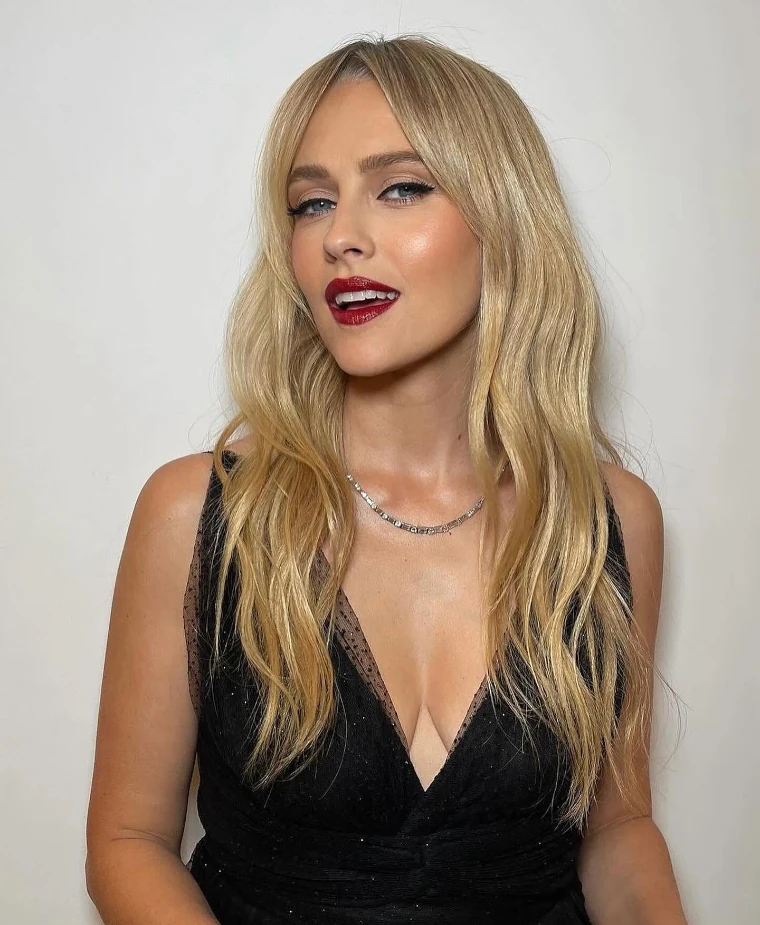
One of the defining moments in Teresa Palmer’s Hollywood career came in 2013, when she took on the role of ‘Julie Grigio’ in Jonathan Levine’s “Warm Bodies”. Based on Isaac Marion’s novel, the film offered a fresh and unconventional take on the zombie genre by combining horror, romance, comedy and post-apocalyptic fantasy.
Palmer starred opposite Nicholas Hoult, who played R, a zombie who begins to regain his humanity after developing feelings for Julie. The unusual premise immediately set the film apart from conventional zombie stories, with Julie becoming the human connection at the centre of R’s transformation.
Palmer’s portrayal of Julie was important because the character was much more than a conventional romantic lead. Julie is introduced as a capable young woman living in a dangerous post-apocalyptic world, where human survivors have been forced to defend themselves against the undead. As the story develops, however, she becomes increasingly willing to question the assumptions surrounding zombies and begins to recognise that R is capable of emotion and change.
Palmer brought a mixture of vulnerability, determination and warmth to the role, allowing Julie to function as both the emotional heart of the story and an active participant in its conflict. Contemporary reviews particularly highlighted the unusual chemistry between Palmer and Hoult and the film’s ability to turn the familiar zombie formula into an unexpectedly charming romantic story.
The success of “Warm Bodies” gave Palmer an important boost at a time when her Hollywood career was continuing to develop. Before the film, she had already appeared in studio productions such as Bedtime Stories, The Sorcerer’s Apprentice, I Am Number Four and Take Me Home Tonight, but “Warm Bodies” gave her a particularly recognisable leading role.
The film was released in February 2013 and opened strongly in North America, eventually earning approximately $116.98 million worldwide against a reported production budget of $35 million. Its commercial performance demonstrated that Palmer could successfully carry a major genre film while reaching audiences beyond the Australian and independent-film circles in which her career had begun.
What made “Warm Bodies” especially valuable to Palmer’s career was the opportunity to show a different side of her screen presence. Rather than relying solely on action or dramatic intensity, she was able to work with humour, romance and emotional subtlety.
Julie’s relationship with R is the mechanism through which the film explores ideas about loneliness, human connection and the possibility of change, and Palmer’s performance helped give that unusual premise an emotional foundation. The film’s playful reinterpretation of the classic “Romeo and Juliet” structure also gave her character an appealing mixture of independence and romantic vulnerability.
Looking back, “Warm Bodies” stands as one of the most recognisable films in Teresa Palmer’s career and an important stepping stone between her early Hollywood work and the more varied roles that followed. The success of the film was followed by projects that continued to test her range, including the psychological drama “The Ever After”, Terrence Malick’s “Knight of Cups”, the action thriller “Point Break”, the horror hit “Lights Out” and the war drama “Hacksaw Ridge”.
In that sense, Julie Grigio was not simply another credit on Palmer’s filmography; the role helped establish her as a leading actress capable of moving comfortably between romance, comedy, horror, action and serious drama.
Teresa Palmer in Horror Films
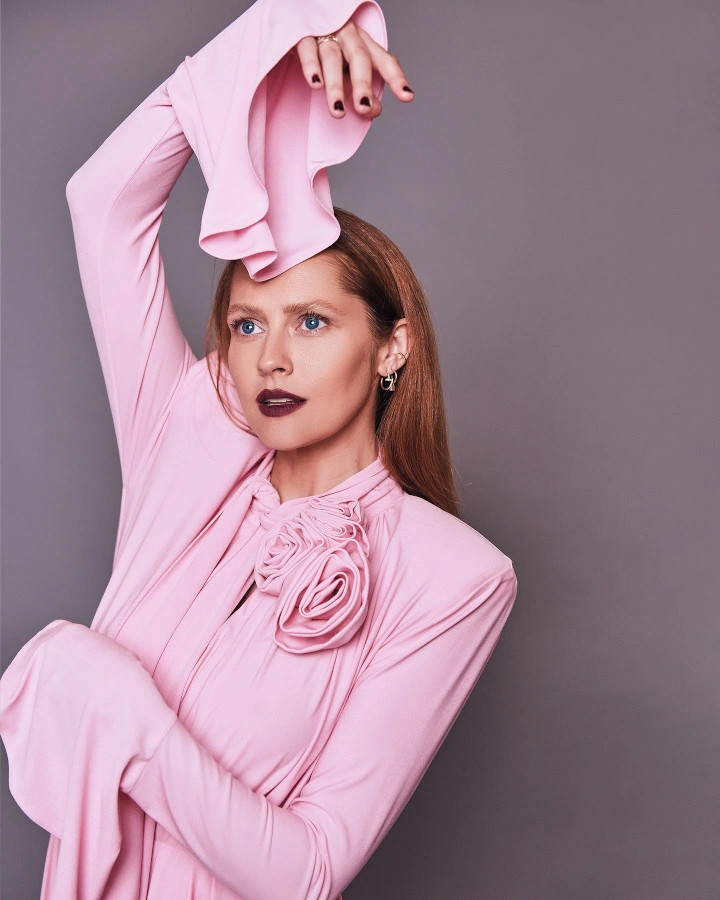
Horror has become one of the most distinctive threads running through Teresa Palmer’s acting career. Although she has worked extensively in romance, drama, action and fantasy, Palmer has repeatedly returned to stories built around fear, psychological tension and the supernatural.
Her association with the genre began relatively early, with a role in “The Grudge 2” (2006), but it was much later, particularly with “Lights Out” (2016), that audiences began to recognise her as an actress who could carry a horror film. Interestingly, Palmer has said that she genuinely enjoys supernatural stories, including films and stories involving ghosts, aliens and unexplained phenomena, making the genre a natural fit for her interests as a performer.
Palmer’s most prominent horror role came with “Lights Out”, directed by David F. Sandberg and produced by James Wan. She played Rebecca, a young woman who is forced to confront frightening experiences from her childhood when a mysterious entity begins tormenting her younger half-brother, Martin.
What attracted Palmer to the project was that the film was not simply designed around jump scares. Beneath its supernatural premise was a story about family, emotional vulnerability and a mother’s deteriorating mental health.
Palmer connected particularly strongly with Rebecca because of her own childhood experiences with mental illness in her family, something she discussed openly while promoting the film. She therefore approached Rebecca not merely as a conventional horror heroine, but as someone carrying complicated emotional history and a deep instinct to protect her family.
The experience of making “Lights Out” was almost as unsettling for Palmer as watching it. The film’s central idea—that an entity appears when the lights go out—played upon what Palmer described as a deeply instinctive fear of darkness. She admitted that the film frightened her even though she knew exactly how many of its effects had been created.
After watching the movie, she reportedly found herself wanting to leave lights or curtains open at night, joking that even her husband, Mark Webber, could not understand why she was frightened by a film in which she herself appeared. The production also relied heavily on practical performance rather than simply hiding the supernatural creature behind digital effects, which made the atmosphere on set particularly intense.
Following “Lights Out”, Palmer continued exploring darker and psychologically demanding material. She starred in the 2022 psychological horror film “The Twin”, playing Rachel, a mother struggling to cope with the devastating loss of one of her twin sons. The film combines supernatural horror with grief, family breakdown and psychological uncertainty, allowing Palmer to explore a considerably more emotionally fragile character.
In discussing the film, she explained that what attracted her was the combination of a fractured family drama and horror rather than horror existing simply for its own sake. That distinction is significant when looking at Palmer’s broader career: she tends to gravitate towards genre stories when there is a strong human or emotional conflict underneath the frightening elements.
Palmer’s horror work has consequently become more nuanced as her career has matured. Her early appearances in films such as “The Grudge 2” introduced her to supernatural cinema, while “Lights Out” established her as a leading presence in modern horror and “The Twin” allowed her to explore grief, trauma and maternal anxiety through the genre.
She has also made it clear that she does not want to remain confined to one category of filmmaking. In interviews, Palmer has spoken about deliberately moving between genres and seeking roles that challenge her rather than simply repeating what she has already done. Her horror filmography therefore represents not a single career label, but another part of the wider versatility that has defined her work as an actress.

Teresa Palmer in “Hacksaw Ridge”
Teresa Palmer took on one of the most grounded and emotionally significant roles of her career in Mel Gibson’s 2016 war drama “Hacksaw Ridge”. The film tells the extraordinary true story of ‘Desmond Doss’, a Seventh-day Adventist and conscientious objector who served as a combat medic during the Second World War despite refusing to carry or use a weapon.
Palmer portrayed ‘Dorothy Schutte’, the nurse Doss meets and eventually marries, with Andrew Garfield playing Doss. Although the film is dominated by the brutality of the battlefield, Dorothy provides an important emotional counterpoint, representing the love, faith and personal connection that helped shape Doss’s life before and during the war.
Palmer approached Dorothy as a fully realised woman rather than simply the romantic partner of the film’s hero. She researched Dorothy’s life and studied recordings and archival material to understand the way she spoke, behaved and expressed herself. Palmer also worked extensively on the character’s period accent, using a dialect coach to alter her voice and speech patterns.
She has explained that she felt a personal connection to the story because both of her grandparents had served during the Second World War, while memories of their relationship reminded her of the romance between Dorothy and Desmond. She also drew on her own family background, particularly her mother’s faith and gentler outlook, when trying to understand Dorothy’s emotional and spiritual perspective.
Dorothy’s relationship with Desmond is central to the emotional structure of “Hacksaw Ridge”. Palmer portrays her as affectionate and supportive, but she is not without doubts or frustrations. She loves Desmond deeply, yet struggles to understand why he is willing to risk his life without carrying a weapon.
That conflict gives Palmer some of the film’s quieter but most revealing moments, particularly as Dorothy gradually understands that Desmond’s refusal to compromise his beliefs is not cowardice but a fundamental part of who he is. Palmer’s performance therefore adds a human dimension to a story that might otherwise have been defined almost entirely by its spectacular and violent battle sequences.
The role also earned Palmer significant recognition within the Australian film industry. She was nominated for the “AACTA Award for Best Lead Actress” for her performance as Dorothy Schutte, while “Hacksaw Ridge” itself received numerous AACTA nominations. Palmer also received an “AACTA International Award nomination for Best Supporting Actress” and an Australian Film Critics Association nomination for her performance.
Ultimately, “Hacksaw Ridge” demonstrated a more mature side of Teresa Palmer’s acting ability. Coming shortly after “Lights Out”, the role allowed her to move away from the supernatural and genre-driven characters for which she was becoming known and portray a real woman whose story was rooted in love, faith, sacrifice and wartime uncertainty. Her performance as Dorothy Schutte may have been quieter than the film’s extraordinary battlefield sequences, but it provided the emotional warmth necessary to make Desmond Doss’s remarkable journey feel personal as well as historical.

Teresa Palmer as Diana Bishop in “A Discovery of Witches”
Teresa Palmer took on one of the most important and career-defining television roles of her career when she was casted as ‘Diana Bishop’ in “A Discovery of Witches”, the supernatural drama adapted from Deborah Harkness’s ‘All Souls’ novels. Diana is introduced as a brilliant historian and researcher at Oxford University who has deliberately distanced herself from the world of witchcraft following the traumatic murder of her parents.
Her life changes when she encounters the mysterious manuscript “Ashmole 782”, drawing her into a dangerous supernatural world populated by witches, vampires and daemons. Palmer was particularly attracted to Diana because of the character’s emotional complexity. In an interview with AMC, she described Diana as someone capable of being brave and powerful while simultaneously experiencing fear, insecurity and vulnerability.
What makes Palmer’s performance particularly compelling is the way Diana’s transformation unfolds gradually rather than happening overnight. At the beginning of the series, Diana is an accomplished academic but an uncertain witch who would rather rely on scholarship than acknowledge the supernatural abilities within her.
As the story progresses, she is forced to confront her heritage, understand the extent of her powers and accept a part of herself that she had spent years trying to suppress. Palmer worked closely with author Deborah Harkness to understand Diana’s personality, motivations and relationship with magic. Harkness also helped Palmer understand Diana’s academic world by introducing her to historical manuscripts and showing her how a scholar such as Diana might interact with them.
Diana’s relationship with vampire Matthew Clairmont, played by Matthew Goode, forms another major part of the series. Their romance places Diana at the centre of the supernatural conflict while also giving Palmer an opportunity to explore trust, vulnerability, courage and emotional independence. As the story develops, Diana becomes considerably more confident in her abilities.
The second season takes that transformation even further, sending Diana and Matthew back to “1590 London”, where she must learn to control her magic and confront a much more dangerous version of the world she thought she understood. Palmer explained that Diana’s growing sense of belonging and her relationship with other witches were crucial to this stage of the character’s development.
The role also demanded a different kind of physical and emotional preparation from Palmer. Diana’s magic is closely connected to movement, particularly when she learns to use her abilities as a ‘weaver’. Palmer worked with a dedicated magic teacher to rehearse the intricate hand movements and patterns required for Diana’s spell work, treating them almost like choreography.
She also had to adapt physically to the elaborate period costumes and corsetry used during the show’s second season. These details helped Palmer make Diana’s transition from a hesitant scholar into a powerful witch feel gradual and believable rather than simply relying on visual effects.
Across the three-season run of “A Discovery of Witches”, Palmer was therefore able to explore considerably more emotional territory than many of her earlier film roles had allowed. Diana begins as a woman who is uncomfortable with her identity and ends as someone far more willing to embrace her heritage, protect the people she loves and take responsibility for her extraordinary abilities.
The show’s producers also regarded Palmer’s willingness to undergo that journey as one of the strengths she brought to the role. Her performance ultimately made Diana Bishop one of the most recognisable characters in Palmer’s television career and helped establish her as a leading actress capable of carrying an expansive, character-driven fantasy drama.

Teresa Palmer in “The Clearing”
Teresa Palmer took on one of the most psychologically demanding roles of her television career in “The Clearing”, the 2023 Australian psychological thriller released on Disney+. Based on J.P. Pomare’s novel ‘In the Clearing’, the eight-part series was inspired by the disturbing history of the Australian cult “The Family”, although the characters and cult depicted in the drama are fictionalised.
Palmer plays ‘Freya Heywood’, a woman whose apparently settled adult life begins to unravel when events involving a missing child force her to confront the traumatic experiences of her own childhood. The story moves between Freya’s present-day life as a mother and her disturbing memories of growing up inside a female-led cult, creating a narrative in which the boundaries between past and present are constantly shifting.
Palmer was immediately drawn to the emotional darkness of the material. Rather than approaching Freya simply as a conventional thriller protagonist, she researched real-life cults, read personal accounts and watched documentaries to understand how people can become trapped in systems built around manipulation, fear and control. Freya’s past has left her deeply traumatised, and although she has escaped the cult, its influence continues to affect the way she sees the world and raises her young son, Billy.
Palmer particularly explored the contradiction within Freya’s motherhood: she is loving and determined to give her son the childhood she never had, yet her fear and unresolved trauma can make her overprotective, isolated and controlling. Palmer has described the role as a story about redemption and healing, which gave the character an emotional dimension beyond the show’s suspenseful plot.
One of the most compelling aspects of Palmer’s performance is the complicated relationship between Freya and ‘Adrienne’, the charismatic cult leader played by Miranda Otto. Although Freya escaped the organisation years earlier, she remains psychologically connected to the woman who controlled her childhood. Palmer approached this relationship as one built on manipulation, fear and a complicated form of dependence rather than something that could be understood in simple terms.
The series gradually reveals why Freya continues to be drawn into Adrienne’s world even after escaping it, while Palmer allows the character’s conflicting emotions—fear, anger, attachment and the desire for closure—to emerge naturally. Her performance gives “The Clearing” much of its emotional weight and keeps the story grounded even as the narrative moves through disturbing memories and revelations.
Palmer’s work in “The Clearing” was also recognised by the “Australian Academy of Cinema and Television Arts (AACTA)”, which nominated her for ‘Best Lead Actress in a Drama’ at the 2024 AACTA Awards. The nomination was significant because it reflected the dramatic range Palmer had developed after years of working in film and fantasy television.
Unlike the more action-oriented or supernatural roles associated with some of her earlier work, Freya required Palmer to communicate trauma largely through restraint, body language and emotional tension. Her performance helped establish “The Clearing” as an important chapter in her career and demonstrated her growing interest in darker, character-driven Australian stories.

Teresa Palmer’s Return to Australian Television
After spending much of her career working between Australia and Hollywood, Teresa Palmer began a significant new chapter by returning to Australian television. Her first major television role came with “A Discovery of Witches”, which ran from 2018 to 2022, and the experience made her appreciate the depth that television could offer a character.
After the series concluded, Palmer became increasingly interested in finding similarly substantial roles in Australia. By 2025, that decision had become a reality, with the Adelaide-born actress appearing in three Australian dramas in the same year: The Last Anniversary, Mix Tape and The Family Next Door.
Palmer’s return was closely connected to her family and her desire to spend more time in Australia. After roughly two decades of working extensively in Hollywood, she and her family settled in Byron Bay, and the opportunity to work on Australian productions allowed her to remain closer to home.
Palmer has spoken warmly about the Australian lifestyle and the importance of allowing her children to grow up with a connection to the country where she was raised. At the same time, she has emphasised that her decision was not simply about convenience. She was attracted by the quality of Australian scripts and the opportunity to collaborate with local writers, directors and actors on stories that felt distinctive and meaningful.
Her 2025 projects also demonstrated the breadth of her acting range. In “The Last Anniversary”, adapted from Liane Moriarty’s novel, Palmer played ‘Sophie Honeywell’, a woman approaching 40 who unexpectedly inherits a house on the mysterious Scribbly Gum Island. The role allowed her to bring a lighter, more optimistic quality to the screen than some of her darker recent characters.
She then appeared in “Mix Tape” as ‘Alison’, a woman whose relationship with her former teenage love is revisited decades later. Palmer’s Australian television comeback reached another level with “The Family Next Door”, in which she played the enigmatic Isabelle, a seemingly ordinary woman whose arrival in a coastal neighbourhood conceals a deeply personal mission.
The success of “The Family Next Door” further strengthened Palmer’s position in Australian television. The ABC reported that the series became its biggest non-children’s ABC iview launch to that point, eventually reaching a total audience of approximately 1.5 million across television. For Palmer, the return home therefore represented more than a nostalgic reunion with the Australian screen industry; it became a productive new phase in her career.
She has expressed a desire to continue contributing to Australian productions, praising the collaborative atmosphere and the grounded approach she finds in local filmmaking. Her return demonstrates that after establishing herself internationally, Palmer is now increasingly interested in using that experience to help tell ambitious Australian stories while remaining close to her family and roots.

Teresa Palmer’s Husband: Who Is Mark Webber?
Teresa Palmer is married to ‘Mark Webber’, an American actor, filmmaker, writer and producer whose career has developed across independent cinema and mainstream film. Born in Minneapolis, Minnesota, Webber is perhaps best known to audiences for playing Stephen Stills in “Scott Pilgrim vs. the World”, while his work behind the camera includes writing and directing films such as “Explicit Ills” and “The End of Love”.
His upbringing was markedly different from Palmer’s: he grew up in Philadelphia and experienced homelessness with his mother, political activist Cheri Honkala. Those early experiences later became an important influence on his filmmaking and his interest in stories about hardship, family and human relationships.
Palmer and Webber first connected in 2012, after Palmer contacted him through Twitter. Their online conversations developed into a relationship, and the couple became engaged in August 2013. They married on December 21, 2013, in Mexico, in an intimate ceremony held at a private oceanfront residence in Punta Mita.
Palmer was pregnant with their first child at the time of the wedding, making the occasion the beginning of both their married life and a new chapter as parents. Webber was already a father to his son Isaac Love from his previous relationship with actress Frankie Shaw, meaning Palmer became part of a blended family from the beginning of their marriage.
The relationship has also developed into a creative partnership. Palmer and Webber have worked together on films, most notably “The Ever After” (2014), which Webber directed and the couple co-wrote and co-produced. Palmer starred in the film alongside Webber, giving them an opportunity to explore a deeply personal relationship story together on screen.
Their professional collaboration continued with “The Place of No Words”, another Webber-directed project featuring Palmer. Their willingness to combine marriage, parenthood and filmmaking has become an interesting feature of their relationship, although both have also spoken about the challenges of keeping professional and family life balanced.
Family has remained central to Palmer and Webber’s life together. They have five children together, and Palmer is also a stepmother to Webber’s son from his earlier relationship. Palmer has frequently spoken about the practical challenge of balancing a demanding acting career with raising a large family, while also making it clear that motherhood is something she values enormously.
In recent years, the family has spent significant time in Australia, with Palmer and Webber settling in the Byron Bay area. Their decision to spend more time in Australia has also influenced Palmer’s professional choices, allowing her to take on major Australian productions while remaining closer to her family.

Teresa Palmer’s Children and Family Life
Family occupies an important place in Teresa Palmer’s life, and motherhood has increasingly become one of the influences shaping both her personal priorities and professional choices. Palmer and her husband, American actor and filmmaker ‘Mark Webber’, have four children together, while Palmer is also stepmother to Webber’s son, Isaac Love, from his previous relationship with actress Frankie Shaw.
The couple’s first child, son Bodhi Rain, was born in 2014, followed by their second son, Forest Sage, in 2016. Their daughter, Poet Lake, was born in 2017, and their fourth child together, daughter Prairie Moon, arrived in 2019. Palmer later welcomed her fifth child, making motherhood an increasingly central part of her everyday life.
Palmer has been remarkably open about the realities of raising a large family while maintaining an international acting career. Rather than presenting motherhood as something separate from her professional identity, she has often spoken about how the experience has changed the way she approaches certain characters. Her own experiences as a mother were particularly useful while playing ‘Diana Bishop’ in “A Discovery of Witches”, as Diana’s journey eventually includes pregnancy and motherhood.
Palmer has explained that becoming a mother herself gave her a much deeper emotional understanding of those scenes. At the same time, she has acknowledged that working on film and television productions can make maintaining family routines challenging, particularly when filming takes her away from home for extended periods.
Her family life has also influenced where she chooses to work. After spending many years based largely in Los Angeles, Palmer and Webber increasingly sought a lifestyle that would give their children a stronger connection to Australia. The family settled in the Byron Bay area, and Palmer’s subsequent return to Australian television allowed her to combine her professional ambitions with her desire to remain close to home.
In 2025, she appeared in The Last Anniversary, Mix Tape and The Family Next Door, describing the period as an exciting opportunity to reconnect with Australian filmmaking while raising her children in the country where she herself grew up. For Palmer, this balance between career and family appears to have become an important part of her definition of success: continuing to take ambitious roles without losing sight of the people and home life that matter most to her.
In 2025, ABC News reported that Palmer and her family had settled in Byron Bay and that she had welcomed her fifth child.
Teresa Palmer’s Work Beyond Acting
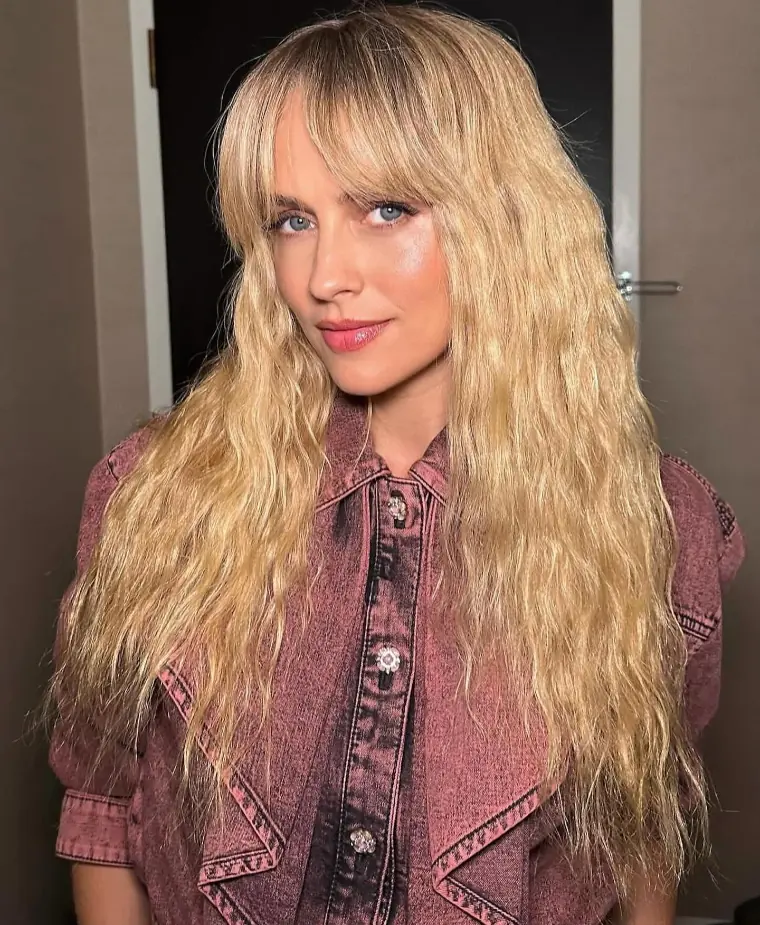
Teresa Palmer has gradually expanded her professional identity beyond acting, using her public platform to explore “writing, producing, podcasting, wellness and parenting”. One of her earliest ventures outside conventional acting came in 2012, when she and fellow Australian actress Phoebe Tonkin launched “Your Zen Life”, a lifestyle and wellness website focused on healthy living, personal wellbeing and practical approaches to everyday life.
Palmer later continued this interest through “Your Zen Mama”, a parenting and wellness platform she co-founded with actress Sarah Wright Olsen. These projects gave Palmer a space to discuss subjects that were personally meaningful to her while connecting with audiences in a more direct and conversational way than a film or television role allowed.
Her creative interests have also extended into “writing and producing films”. Palmer worked alongside her husband, Mark Webber, on The Ever After (2014), a deeply personal independent drama in which the couple wrote, produced and starred. The project reflected Palmer’s interest in having a greater creative voice behind the camera rather than simply performing a role written by someone else.
She later appeared in Webber’s “The Place of No Words”, further strengthening their creative partnership. These experiences gave Palmer an opportunity to participate in the filmmaking process from multiple perspectives and helped broaden her understanding of storytelling beyond performance alone.
Parenting and personal wellbeing have become particularly prominent in Palmer’s work outside cinema. Together with Sarah Wright Olsen, she has also been involved with “The Mother Daze”, a podcast centred on motherhood and the often messy, humorous and emotionally complicated realities of raising children.
Rather than presenting an idealised version of celebrity parenthood, the project has allowed Palmer to speak openly about the everyday challenges of motherhood, relationships, family responsibilities and maintaining a sense of identity while raising children. Her work in this area has helped create a different connection with audiences who may know her primarily from “Warm Bodies”, “Lights Out” or “A Discovery of Witches”.
What makes Palmer’s activities outside acting particularly interesting is that they appear to complement rather than compete with her screen career. Her interests in “wellness, motherhood, writing and producing” have given her additional creative outlets while allowing her to explore subjects that are closely connected to her own experiences.
As her acting career has matured, these ventures have also contributed to a broader public identity—one that encompasses not only an internationally recognised actress, but also a creative professional interested in storytelling, family, health and meaningful conversations beyond the film set.
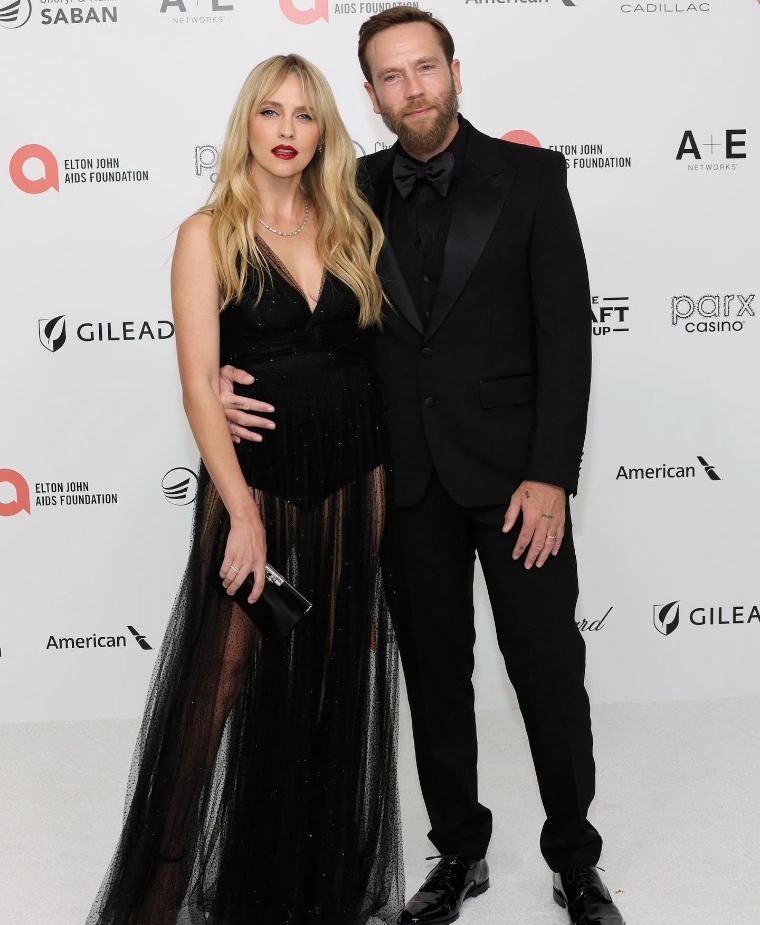
Teresa Palmer’s Dating History and Relationships
Before finding a long-term partner in filmmaker and actor ‘Mark Webber’, Teresa Palmer’s personal life attracted considerable media attention during her early years in the entertainment industry. Her relationship history included a number of well-known names from the worlds of film and Australian sport, although some of the details reported over the years vary between sources and should therefore be treated with appropriate caution.
Palmer’s early relationship was with Australian Rules footballer ‘Stuart Dew’, with whom she was involved for several years before their relationship ended around 2007. The split occurred around the time Palmer was preparing to make Los Angeles her permanent professional base, marking an important transition both personally and professionally.
During the early stages of her Hollywood career, Palmer was also romantically linked to actor ‘Topher Grace’, her co-star in “Take Me Home Tonight”. Their relationship attracted attention partly because they were working together professionally, although the two eventually went their separate ways. Palmer was subsequently linked to ‘Adam Brody’, whom she met while they were associated with the cancelled “Justice League: Mortal” project.
She was also briefly involved with British comedian and actor ‘Russell Brand’ after meeting him around the time they worked on “Bedtime Stories”. Contemporary reports described their relationship as a short-lived romance. Because much of the reporting around Palmer’s dating life came from entertainment media and celebrity press, a professional biography should distinguish between well-documented relationships and less firmly established reports rather than presenting every rumoured association as fact.
The most important relationship in Palmer’s personal life began in 2012, when she connected with American actor and filmmaker ‘Mark Webber’. Interestingly, their relationship began in a distinctly modern fashion: Palmer had watched Webber’s film “The End of Love” and contacted him through Twitter.
Their online conversations gradually became more personal, and Palmer has recalled that they spent considerable time communicating through messages and emails before meeting and eventually falling in love.
The relationship progressed quickly, with the couple becoming engaged in August 2013 and marrying on December 21, 2013, in Mexico. Their marriage has since developed into both a family partnership and a creative collaboration, with the couple working together on films including “The Ever After”.
Today, Mark Webber is the central and enduring relationship in Teresa Palmer’s personal life. The couple have built a large blended family, with Palmer becoming a stepmother to Webber’s son from his previous relationship with actress Frankie Shaw, while Palmer and Webber have five children together.
Interestingly, Palmer has developed a positive relationship with Shaw, and the two women have spoken publicly about creating a supportive family environment around the children. This evolution reflects how Palmer’s approach to relationships has changed over time: while her early dating life was frequently covered as part of her emergence as a Hollywood actress, her marriage and family life with Webber have become much more significant to her identity.
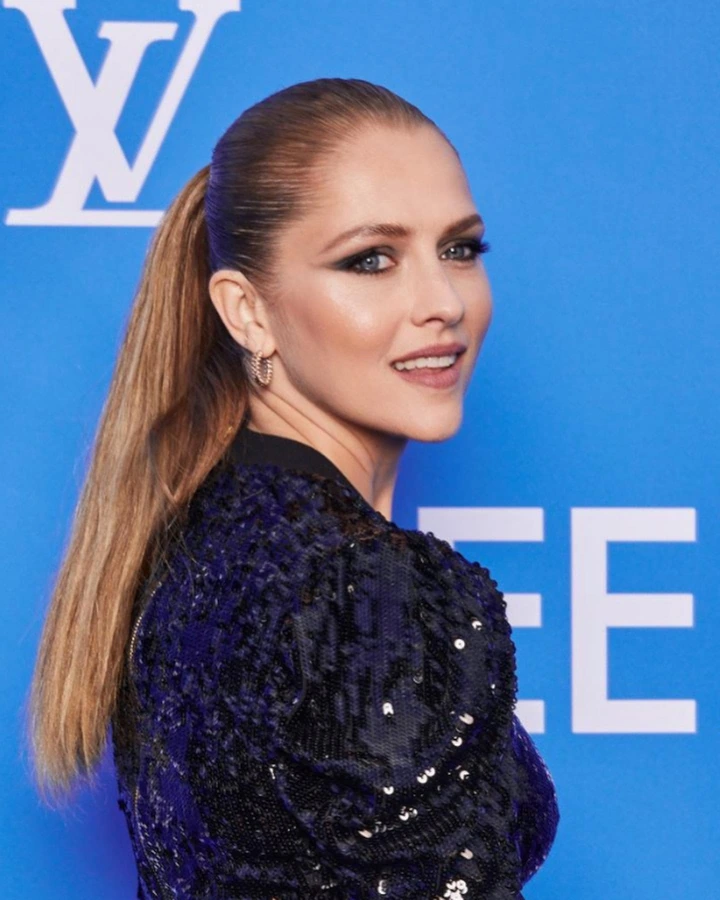
Teresa Palmer’s Awards and Recognition
Teresa Palmer’s career has received recognition from several Australian and international organisations.
Among the notable milestones are:
- 2006: AACTA/AFI nomination for Best Actress in a Leading Role for “2:37”
- 2011: Australians in Film Breakthrough Award
- 2015: Maui Film Festival Rising Star Award
- 2016: Recognition for her work in “Lights Out”
- 2017: AACTA International nomination for Best Supporting Actress for “Hacksaw Ridge”
- 2017: Australian Film Critics Association nomination for “Berlin Syndrome”
- 2019/2020: Recognition for “Ride Like a Girl”
- 2022: Critics Choice Super Awards nomination for “A Discovery of Witches”
- 2024: AACTA nomination for Best Lead Actress in a Drama for “The Clearing”
The nominations for 2:37, Hacksaw Ridge, Berlin Syndrome, Ride Like a Girl and The Clearing illustrate how Palmer’s recognition has extended across different stages and genres of her career.

Teresa Palmer’s Filmography
Selected Films
| Year | Film | Role |
| 2005 | Wolf Creek | Pool Party Girl |
| 2006 | 2:37 | Melody |
| 2006 | The Grudge 2 | Vanessa Cassidy |
| 2007 | December Boys | Lucy |
| 2008 | Restraint | Dale |
| 2008 | Bedtime Stories | Violet Nottingham |
| 2010 | The Sorcerer’s Apprentice | Becky Barnes |
| 2011 | I Am Number Four | Number Six |
| 2011 | Take Me Home Tonight | Tori Frederking |
| 2012 | Wish You Were Here | Steph McKinney |
| 2013 | Warm Bodies | Julie Grigio |
| 2014 | The Ever After | Ava |
| 2015 | Knight of Cups | Karen |
| 2015 | Point Break | Samsara Dietz |
| 2016 | The Choice | Gabby Holland |
| 2016 | Triple 9 | Michelle Allen |
| 2016 | Lights Out | Rebecca |
| 2016 | Hacksaw Ridge | Dorothy Schutte |
| 2017 | Berlin Syndrome | Clare Havel |
| 2019 | Ride Like a Girl | Michelle Payne |
| 2022 | The Twin | Rachel |
| 2024 | The Fall Guy | Iggy Starr |
| 2026 | The Get Out | Sunny |
| 2026 | 4 Kids Walk Into a Bank | Nancy |
The filmography above follows the available current film records, including the recent 2026 titles.

Teresa Palmer’s Television Career
Palmer’s television work has become increasingly important since her debut as a series lead.
| Year | Television Series | Role |
| 2018–2022 | A Discovery of Witches | Diana Bishop |
| 2023 | The Clearing | Freya Heywood |
| 2025 | The Last Anniversary | Sophie Honeywell |
| 2025 | Mix Tape | Alison Connor |
| 2025 | The Family Next Door | Isabelle Heatherington |
The progression from “A Discovery of Witches” to “The Clearing” and then to three Australian dramas in 2025 shows how Palmer has increasingly embraced television’s capacity for longer, character-driven storytelling.
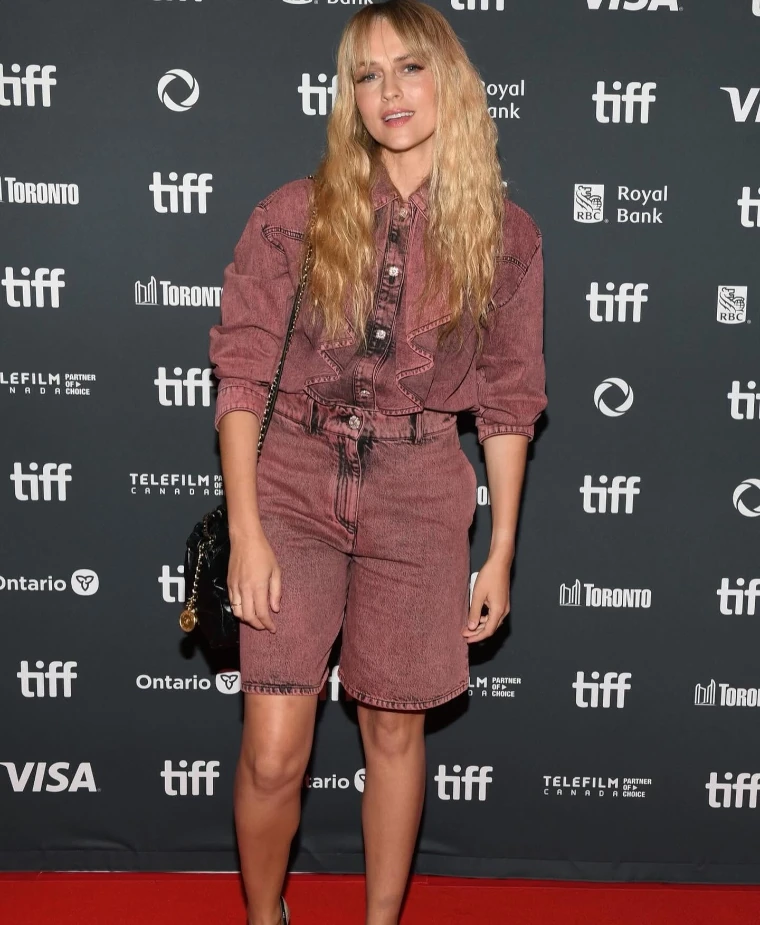
Teresa Palmer’s Latest Projects in 2026
Teresa Palmer has entered 2026 with a particularly busy period in her career, balancing film, television and new international opportunities. One of her most notable recent releases is “The Get Out”, an action thriller in which Palmer plays ‘Sunny’ alongside Russell Crowe and Luke Evans.
The film represents another move into the action-thriller space for Palmer, a genre she has visited at several points in her career through projects such as “I Am Number Four” and “Point Break”. Current film listings identify “The Get Out” as a 2026 release, making it one of Palmer’s latest completed screen projects.
Another significant 2026 credit is “4 Kids Walk Into a Bank”, directed by Frankie Shaw and featuring Liam Neeson, Talia Ryder, Jack Dylan Grazer and Whitney Peak. Palmer plays ‘Nancy’ in the film, which combines comedy and mystery around a young girl and her friends who become caught up in a situation involving her grandfather and his criminal past. The film received its domestic release in April 2026, adding another distinctive genre project to Palmer’s already diverse filmography.
Perhaps the most intriguing development in Palmer’s current career is her move into the world of major video-game adaptations. In January 2026, she was announced as part of the cast of Amazon Prime Video’s upcoming “God of War” television series, based on the Norse mythology era of the hugely popular PlayStation video-game franchise. Palmer is set to portray ‘Sif’, the Norse goddess and wife of Thor. The series is being developed as a fantasy drama by Ronald D. Moore and is currently in production, making it an important upcoming project rather than a released 2026 television credit.
Beyond these projects, Palmer’s current filmography also lists “The Neverending Pillow Fort”, “Subversion” and “Poor Boy” at various stages of production or development. She is also listed in connection with “Addition”, an Australian film directed by Marcelle Lunam, in which she stars as Grace Lisa Vandenburg.
These projects suggest that Palmer is continuing to divide her time between larger international productions and more character-driven films. At the same time, her recent Australian television work—including “The Last Anniversary”, “Mix Tape” and “The Family Next Door” — shows that her return to Australian storytelling has become an important part of this new stage of her career.
What makes Palmer’s 2026 slate particularly interesting is the sheer variety of material she is choosing. From action thrillers and family-oriented mysteries to a major fantasy adaptation and independent Australian cinema, her current projects do not point towards a single fixed screen identity.
Instead, they continue the pattern that has defined much of her career: moving between genres, countries and styles while taking on characters that offer something different from her previous work. Her recent comments also suggest that she remains passionate about balancing screen work with her wellness and podcasting interests, making this period less about simply adding credits and more about building a broader creative life.

Teresa Palmer’s Height, Appearance and Public Image
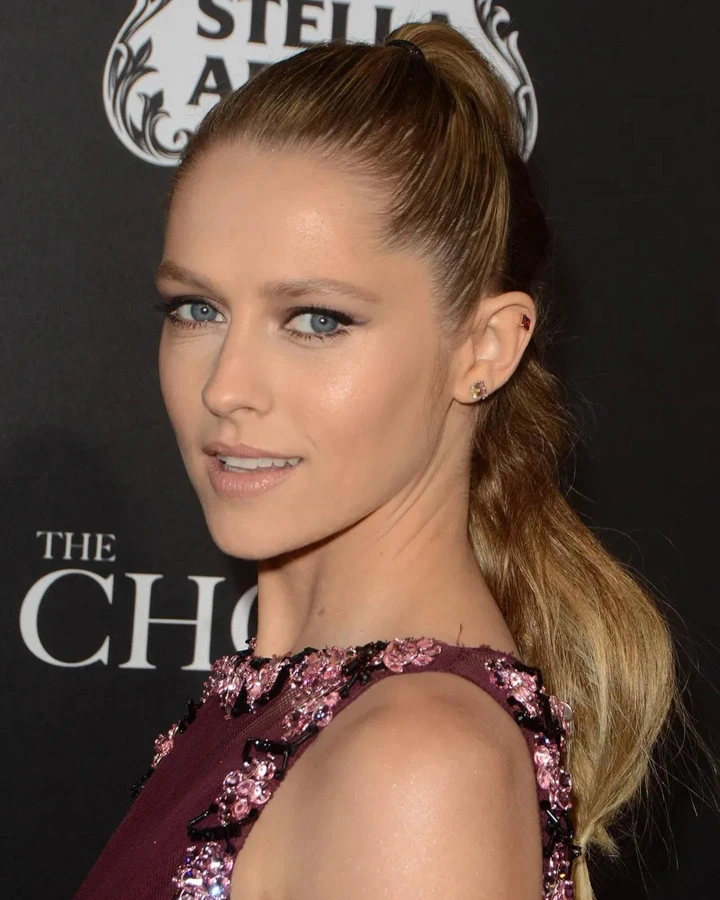
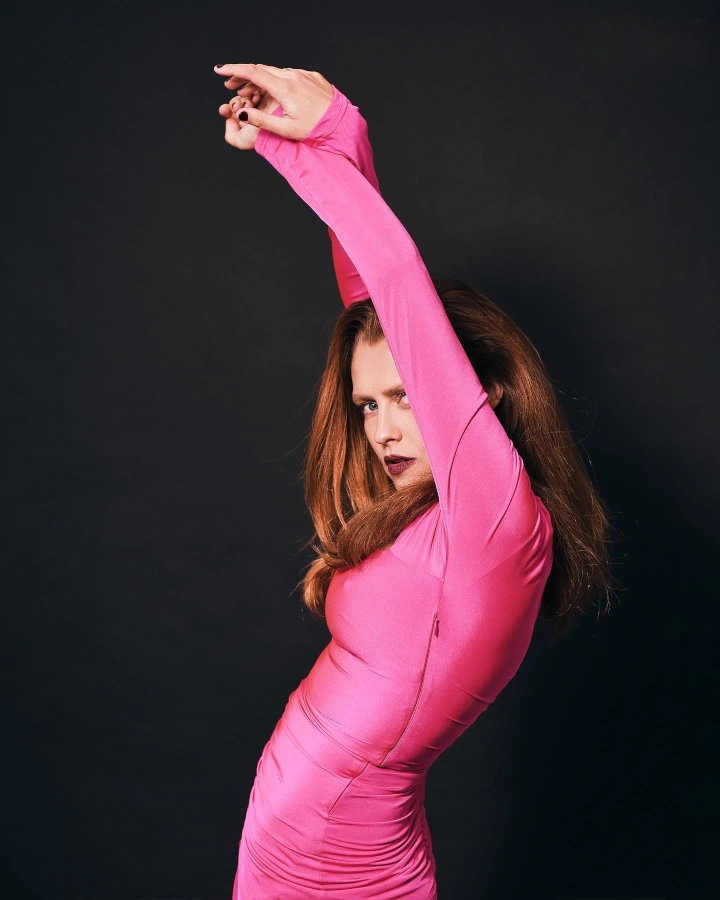
Teresa Palmer stands at approximately 5 feet 4½ inches (1.64 metres). Her appearance has naturally evolved throughout her career, but she has often been recognised for her blonde hair, blue eyes and distinctive screen presence.
Palmer initially attracted attention not only because of her acting ability but also because of her modelling work and striking appearance, which helped her secure visibility during the early stages of her career. However, she has repeatedly demonstrated that her appeal extends well beyond conventional Hollywood glamour.
Interestingly, Palmer’s own description of herself has often been much more relaxed than the glamorous image associated with celebrity culture. Earlier interviews portrayed her as someone who was comfortable with a casual, understated style and who did not necessarily approach fashion or beauty with the intensity often expected of actresses.
In one interview, she recalled being known at school as the “socks and sandals girl”, while another profile noted that she preferred tracksuits and little or no makeup in her everyday life. These details contribute to the impression of Palmer as someone who has retained a relatively down-to-earth personality despite spending much of her professional life in Hollywood.
Palmer’s public image has increasingly been shaped by qualities other than her physical appearance. Interviews and profiles frequently describe her as warm, optimistic, candid and approachable. “ELLE Australia”, for example, characterised her as warm, funny and kind, while Palmer herself has spoken about the importance of making personal decisions without becoming overly concerned with outside criticism.
Her experiences growing up in Adelaide and her later transition to Hollywood appear to have contributed to a grounded attitude toward fame. She has also used her public platform to speak about motherhood, wellness, environmental awareness and the realities of balancing family life with an acting career.
Her screen image has also changed considerably as her career has matured. Palmer first gained attention through youthful and emotionally intense roles before becoming widely recognised for films such as “Warm Bodies”, “Lights Out” and “Hacksaw Ridge”. Her later performances in “A Discovery of Witches”, “The Clearing” and Australian productions such as “The Family Next Door” have allowed audiences to see a broader dramatic range.
Rather than being defined solely by her appearance or by the glamorous roles of her early Hollywood period, Palmer has increasingly cultivated an image as a versatile character actress who is willing to take on emotionally complicated and sometimes unconventional women.
In recent years, Palmer’s public image has become even more closely associated with “authenticity and family life”. Her interviews frequently touch on motherhood, working in Australia, personal wellbeing and the pressures that accompany a career in entertainment.
Her decision to return more frequently to Australian productions has reinforced the impression of an actress who values creative fulfilment and family connection alongside international success. That combination of screen glamour with an openly grounded personality has become one of the most enduring aspects of Teresa Palmer’s public identity.

Teresa Palmer’s Social Media Presence
Teresa Palmer maintains an active public presence on social media, particularly through “Instagram”, where she uses the handle @teresapalmer. Her Instagram account has grown into an important extension of her public identity, allowing her to communicate with audiences beyond her film and television appearances.
Current third-party tracking data places the account at around “1.2 million followers”, although follower numbers naturally change over time. Her posts generally reflect the different sides of her life, including acting projects, family moments, motherhood, wellness, travel and personal reflections.
Palmer also maintains a presence on “Facebook” under the name Teresa Mary Palmer. Her Facebook account and Instagram profile are frequently referenced through her podcast and other professional platforms, making them useful channels for followers interested in her latest work and public activities.
Unlike a purely promotional celebrity account, Palmer’s online presence tends to reflect her wider interests. She often connects conversations around entertainment with subjects such as parenting, wellbeing and everyday family life, giving followers a more personal perspective on the woman behind her screen roles.
Social media has also helped Palmer build an audience for her work outside acting. Her association with “The Mother Daze”, the parenting podcast she co-hosts with Sarah Wright Olsen, has created another avenue through which she discusses motherhood, relationships, personal growth and the realities of raising a family. The podcast’s current episodes continue to reference Palmer’s Instagram account, demonstrating how closely her social-media presence is connected with her wider creative and entrepreneurial activities.
For readers looking to follow Teresa Palmer online, her principal public profiles include “Instagram (@teresapalmer)” and “Facebook (Teresa Mary Palmer)”. Her social-media activity is particularly useful for fans who want updates that may not immediately appear in traditional entertainment coverage, including behind-the-scenes glimpses of productions, podcast appearances, family-oriented content and announcements about new projects.
Official social profiles:
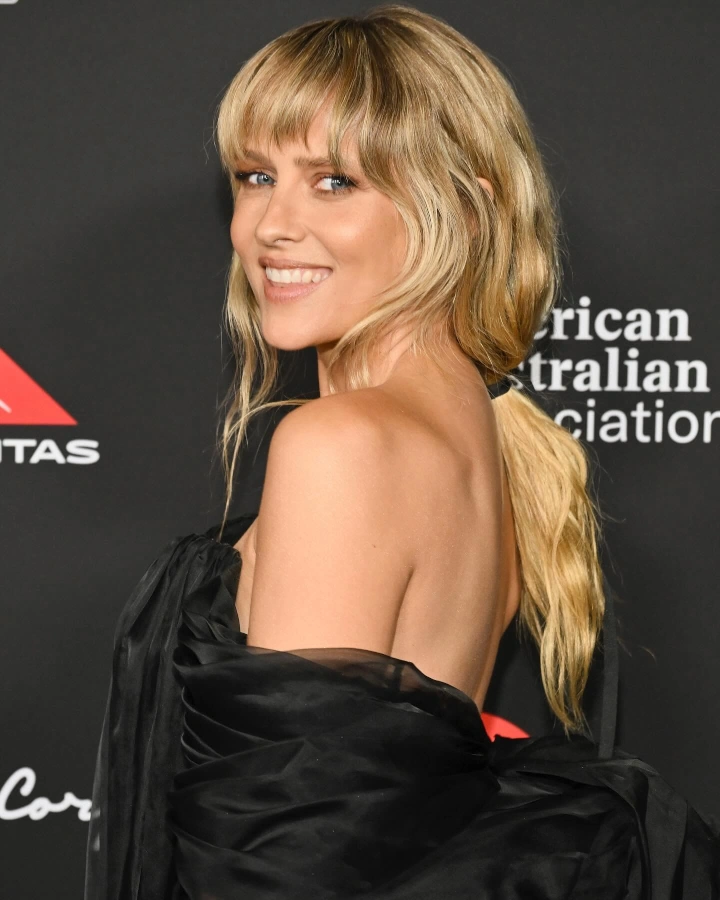
Teresa Palmer’s Career Legacy
Teresa Palmer’s career legacy is defined by “versatility, persistence and an ability to evolve without becoming tied to a single type of role”. From her breakthrough in the Australian drama “2:37” to internationally recognised performances in “Warm Bodies”, “Lights Out”, “Hacksaw Ridge” and “A Discovery of Witches”, Palmer has steadily expanded her range across independent cinema, major Hollywood productions and television. Her career is particularly notable because she has moved comfortably between genres, playing romantic leads, action characters, horror protagonists, historical figures and psychologically complex women.
Another important part of Palmer’s legacy is the way she has gradually gained greater creative confidence. In the early stages of her career, she has reflected on being focused primarily on gaining experience and proving herself, whereas her later choices have allowed her to be more selective about the stories and characters she takes on.
Her work on “The Ever After”, which she co-wrote and co-produced with her husband Mark Webber, demonstrated that her ambitions extended beyond simply appearing in front of the camera. Her more recent performances, particularly in “The Clearing”, “The Family Next Door” and “Addition”, show an actress increasingly drawn to emotionally complicated characters and distinctive stories rather than relying solely on the commercial appeal of large productions.
Perhaps the most meaningful chapter of Palmer’s legacy is her increasingly strong connection with the “Australian Screen Industry”. After spending around two decades working extensively in Hollywood, she returned to Australia with her family and embraced a series of substantial local projects.
In 2025 alone, she appeared in “The Last Anniversary”, “Mix Tape” and “The Family Next Door”, while “Addition” became another major Australian project in 2026. Palmer has spoken enthusiastically about Australian crews, directors and storytelling, explaining that working at home allows her to pursue ambitious projects while remaining close to her family.
Ultimately, Teresa Palmer’s legacy is not based on one blockbuster or a single signature character. It has been built over more than two decades through a willingness to take risks, learn from setbacks and continually reinvent herself. She has progressed from an Adelaide newcomer who unexpectedly found her way into “2:37” to an established international actress who has worked with filmmakers and performers across Australia, Britain and the United States.
Her continuing interest in acting, producing, writing and storytelling suggests that her career is still evolving. Rather than looking back on Hollywood as the destination, Palmer’s recent work suggests that she now sees her international experience as a foundation for telling more personal, challenging and distinctly Australian stories.
Frequently Asked Questions About Teresa Palmer
Conclusion (Final Thoughts): Teresa Palmer’s Journey, Career and Enduring Legacy
Teresa Palmer’s story is ultimately much bigger than a conventional Hollywood success story. Born and raised in Adelaide, she entered the entertainment industry through a series of unexpected opportunities rather than a carefully planned route.
From working ordinary jobs and appearing in shopping-centre costumes to finding herself at the Cannes Film Festival with “2:37”, Palmer’s early journey was marked by equal measures of chance, courage and persistence. Her career has since stretched across more than two decades, taking her from Australian independent cinema to major Hollywood productions and internationally successful television.
One of the most striking aspects of Palmer’s career is her willingness to keep evolving. She could easily have remained associated with the romantic and action-oriented roles that first brought her international attention, but instead she continued searching for characters that challenged her.
“Warm Bodies” introduced her to a huge global audience, while “Lights Out” allowed her to establish herself within modern horror. “Hacksaw Ridge” brought a more grounded historical drama to her filmography, and “A Discovery of Witches” gave her the opportunity to develop a complex character across three seasons. Her later work in “The Clearing” and “The Family Next Door” has further demonstrated her interest in darker, psychologically layered stories.
Perhaps Palmer’s most meaningful professional development has been the gradual confidence she has gained in choosing her own path. In the early years of her career, she has described herself as being in “survival mode”, concentrating on gaining experience, paying the bills and proving herself.
With time, however, she has become more selective about the work she accepts. That evolution is important because Palmer’s legacy is not simply measured by the number of films or television programmes on her résumé; it is also reflected in her growing ability to decide which stories deserve her energy and creativity.
Her relationship with Australian cinema and television has become another defining part of that evolution. After years of working extensively in America, Palmer has increasingly returned to Australia, where she has found a renewed sense of collaboration and creative connection. Her recent projects, including “The Last Anniversary”, “Mix Tape”, “The Family Next Door” and “Addition”, demonstrate that her international career has not distanced her from her Australian roots.
Quite the opposite: her experience abroad has given her another perspective from which to contribute to Australia’s growing screen industry. Palmer has spoken warmly about Australian crews, directors and storytelling, describing the local filmmaking environment as having a distinctive family-like quality.
Family has also become increasingly central to the way Palmer defines her life and success. Her marriage to Mark Webber, motherhood and decision to spend more time in Australia have influenced the projects she accepts and the lifestyle she wants for her children. Her career demonstrates that professional ambition and family life do not necessarily have to exist in opposition.
In 2026, while filming the highly ambitious “God of War” series in Vancouver, Palmer has continued to balance a major international production with family responsibilities. She has described the project as a “dream job” and an experience unlike anything she had previously undertaken.
Palmer’s work beyond acting adds another dimension to her story. Through producing, writing, podcasting, wellness ventures and conversations about motherhood, she has gradually created a creative identity that exists beyond the characters she plays on screen. Yet acting remains the centre of that identity.
In a recent interview, Palmer described acting as her “first love” and “soul language”, an especially revealing description of the profession that has shaped her adult life. It suggests that, despite the pressures and uncertainties of the entertainment industry, performing continues to provide her with a sense of purpose and creative fulfilment.
What Teresa Palmer’s Journey Represents
- An unconventional beginning: Palmer did not enter acting through a traditional elite performance-school route; her breakthrough emerged from an unexpected casting opportunity in Adelaide.
- The courage to relocate: Moving from Australia to Los Angeles at a young age required her to rebuild her professional and personal life in an intensely competitive environment.
- Resilience through rejection: Projects changed, roles were recast and opportunities disappeared, but Palmer continued auditioning and working.
- Genre versatility: Her career has covered romance, comedy, horror, action, fantasy, historical drama, psychological thriller and Australian television.
- Creative Independence: Producing, writing, podcasting and wellness ventures have allowed her to develop interests beyond conventional acting.
- A growing artistic voice: Palmer has become increasingly selective about the characters and stories she wants to explore.
- A connection with Australia: Her later career has demonstrated a renewed commitment to Australian productions and local storytelling.
- Family as a priority: Motherhood and her relationship with ‘Mark Webber’ have become important considerations in the way she approaches work and where she chooses to live.
- Continued ambition: Her 2026 involvement in “God of War” shows that returning to Australia has not meant stepping away from major international productions.
- An unfinished story: After more than two decades in entertainment, Palmer’s career is still developing, leaving room for new genres, characters and creative ventures.
A Few Words That Capture Teresa Palmer’s Journey
Palmer’s own reflections perhaps express her journey better than any biography could. Speaking about her evolution as an actress, she observed:
“Each role teaches you something, and over time, if you’re lucky, you earn the privilege of choosing work that really lights you up”.
That sentiment captures something fundamental about Palmer’s career. Success, in her case, has not simply meant becoming famous or appearing in increasingly expensive productions. It has meant gaining the confidence to understand what kind of artist she wants to be. Her more recent work suggests an actress who is increasingly interested in authenticity, emotional complexity and stories that stay with audiences after the credits roll.
Another revealing comment came when Palmer spoke about her connection with Australian filmmaking. She has said that she “love[s] Aussie crews. I love Australian storytelling. I love Aussie directors”. That affection helps explain why, after establishing such a strong international career, she continues to return home. Australia is not merely the place where her career began; it remains a creative home to which she feels deeply connected.
And perhaps the most personal description of her profession came when she reflected on acting itself, calling it her “first love” and “soul language”. Those words provide an appropriate way to understand why Palmer has continued acting despite the industry’s uncertainty. For her, performing is not simply a profession or a collection of credits. It is a way of understanding other people, exploring unfamiliar lives and communicating emotions that might otherwise be difficult to express.
A Poetic Article Conclusion
From the quiet streets of Adelaide to the lights of Hollywood, Teresa Palmer’s journey has never followed a straight road. She found opportunity where others might have seen an ordinary day, turned uncertainty into determination and transformed every new chapter into another opportunity to grow. Her story is one of “dreams carried across oceans, setbacks turned into lessons and success measured not only by fame, but by the freedom to choose what truly matters”.
She began with a dream she could barely name,
then followed it beyond the familiar horizon.
From Adelaide’s hills to Hollywood’s lights,
from frightened girls to fearless women,
from one unexpected role to a lifetime of stories—
Teresa Palmer continues to write her journey,
one character, one choice and one brave new chapter at a time.
Main Sources
- Teresa Palmer – Wikipedia
- Teresa Palmer – IMDb Profile
- Teresa Palmer – IMDb Biography
- ABC News Australia – Teresa Palmer’s Australian TV Career
- Rotten Tomatoes – Teresa Palmer
- TV Guide – Teresa Palmer Biography
- AACTA – Australian Academy of Cinema and Television Arts
Image Credit
Instagram, Facebook & Wikipedia
For more information, you can visit our website: Histarz
CTA:
Want to discover more inspiring celebrity biographies, career journeys and behind-the-scenes stories?
Explore our latest biographies to learn how today’s most recognisable personalities built their careers, overcame setbacks and created lasting legacies.
Latest Posts
- Raksha Khadse (an Indian Politician) Age, Biography, Marriage, Husband, Family, Children, Career, Early Life, Education, Net Worth, Life Stories & More

- Maddie Ziegler (an American Actress, Dancer, Author & Model) Age, Biography, Boyfriend, Marriage, Husband, Family, Model, Children, Career, Early Life, Education, Net Worth, Life Stories & More
- Manasi Parekh (Indian National Award-winning Actress) Age, Biography, Boyfriend, Marriage, Husband, Family, Model, Children, Career, Early Life, Education, Net Worth, Life Stories & More
- Piper Rockelle (American Actress) Age, Biography, Boyfriend, Marriage, Husband, Family, Model, Children, Career, Early Life, Education, Net Worth, Life Stories & More
- Teresa Palmer (an Australian Actress) Age, Biography, Boyfriend, Marriage, Husband, Family, Model, Children, Career, Early Life, Education, Net Worth, Life Stories & More
- Puja Bharadwaj (NDTV Journalist) Age, Biography, Boyfriend, Marriage, Husband, Family, Model, Children, Career, Early Life, Education, Net Worth, Life Stories & More