
Olivia DeJonge – Quick Info
- Full Name: Olivia DeJonge
- Born: 30 April 1998, Melbourne, Victoria, Australia
- Profession: Australian Actress, active in film and television since 2011
- Known For: The Visit, The Society, Better Watch Out and Elvis
- Career Highlight: Won the AACTA Award for Best Supporting Actress for portraying ‘Priscilla Presley’ in “Elvis” (2022)
| Olivia DeJonge – Biography | |
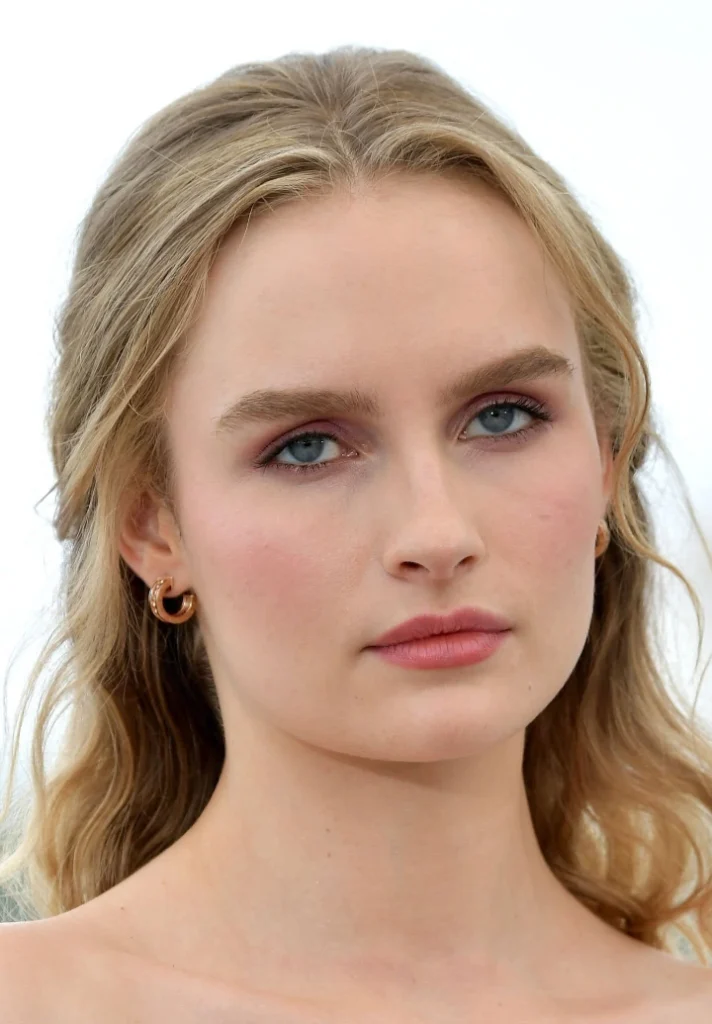
| Name | OLIVIA DEJONGE |
| Date of Birth | 30 April 1998 |
| Age (as of 2026) | 28 years |
| Birthplace | Melbourne, Victoria, Australia |
| Nationality | Australian |
| Education | Presbyterian Ladies’ College, Perth |
| Marital Status | No publicly confirmed marriage |
| Profession | Australian actress known for her work across films, television series and international streaming productions |
| Known For | Her acclaimed performances in The Visit, The Society, Better Watch Out, and as Priscilla Presley in Baz Luhrmann’s Elvis |
| Industry | Film and television entertainment, spanning Australian cinema, Hollywood productions, streaming series and independent films |
| Breakthrough Recognition | Gained international recognition for portraying Priscilla Presley in Baz Luhrmann’s Elvis (2022), earning the AACTA Award for Best Supporting Actress |
| Net Worth | Olivia DeJonge’s exact net worth has not been publicly verified, with online estimates varying widely and lacking reliable financial documentation |
| Social Media Presence | Olivia DeJonge maintains an active public presence on Instagram, where she shares selected glimpses of her professional work, public appearances and personal moments |
| Social Media Links | Instagram & Facebook |
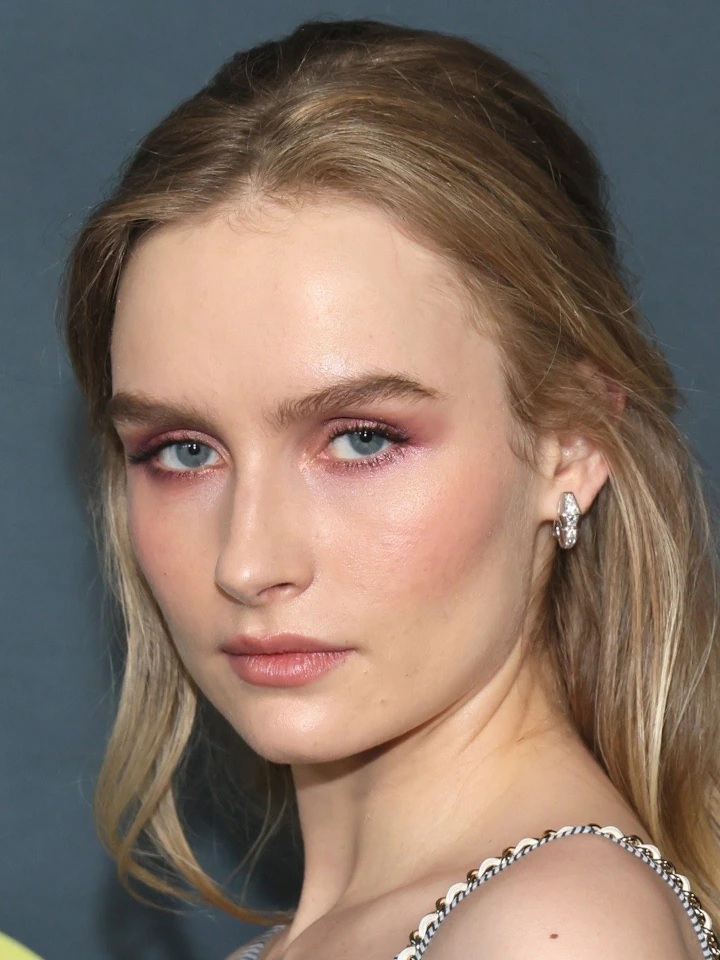
Olivia DeJonge Biography: Age, Family, Education, Movies, TV Shows, Career, Elvis Role, Awards and Personal Life
Olivia DeJonge – Biography, Early Life and Career Overview
“From a young performer in Perth to an award-winning actress on the international screen, Olivia DeJonge has built her career one remarkable character at a time”
Olivia DeJonge is an Australian actress whose journey from childhood performance work to international recognition has been marked by patience, versatility and an impressive willingness to explore very different kinds of characters. Born on 30 April 1998 in Melbourne, Victoria, Australia, DeJonge began working professionally at an unusually young age and gradually developed a career spanning Australian television, independent cinema, Hollywood productions and international streaming platforms.
As of 2026, she is 28 years old and has more than a decade of professional screen experience behind her. Although she became internationally familiar through projects such as The Visit, The Society and Better Watch Out, her most significant career milestone came when she portrayed Priscilla Presley opposite Austin Butler in Baz Luhrmann’s 2022 musical biographical drama “Elvis”.
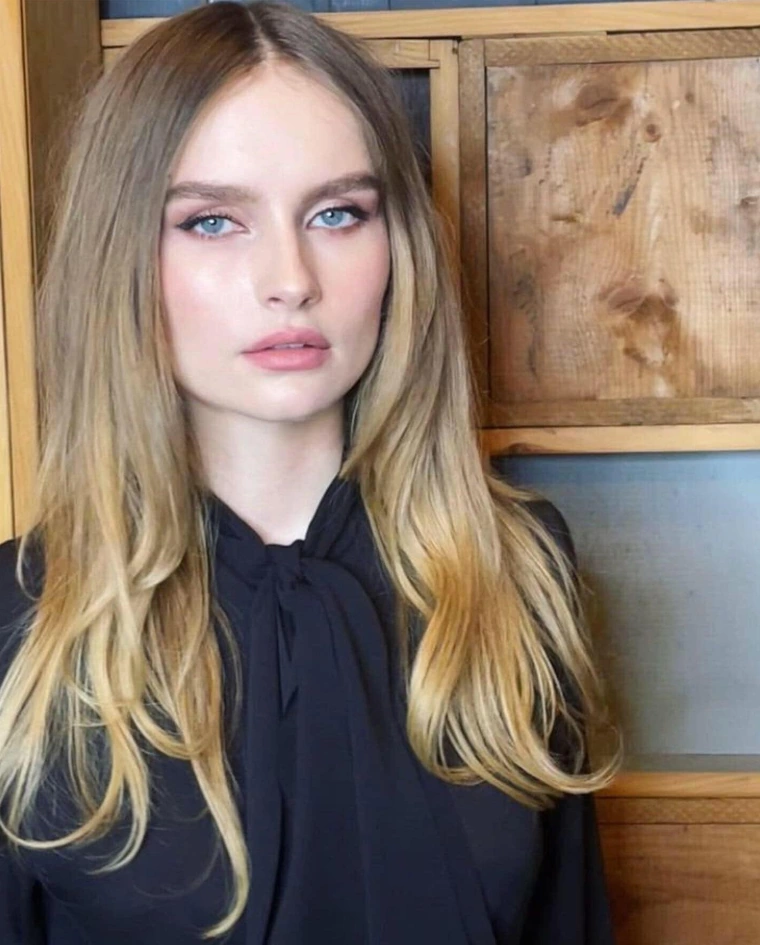
The performance not only brought her widespread critical attention but also earned her the AACTA Award for Best Supporting Actress in Film, establishing one of the strongest achievements of her career.
DeJonge’s professional story is particularly interesting because she did not become an actress overnight through a single blockbuster project. Her career developed gradually, beginning with advertising and voiceover work before moving into short films, Australian television and eventually American feature films.
Her first notable acting recognition came with the short film “Good Pretender”, for which she received Best Actress recognition at the Western Australian Screen Awards. She subsequently made her feature-film debut in “The Sisterhood of Night”, before appearing in the Australian television drama “Hiding”.
Also Read Detailed Biographies of
Twinkal Yadav | Chef Tejasvi Chandela | Suruchi Adarkar
Her role as Becca in M. Night Shyamalan’s psychological horror film “The Visit” became an important international breakthrough, while her appearance in the thriller “Better Watch Out” further demonstrated her ability to work in darker and psychologically demanding material. Over time, these early roles established a pattern that has remained visible throughout her career: DeJonge has consistently avoided being restricted to one particular genre.
Television has also played a substantial role in shaping DeJonge’s professional identity. She appeared as ‘Alice Burbage’ in the period drama “Will” and later became part of Netflix’s ensemble series “The Society”, where she portrayed Elle Tomkins. The latter project introduced her to a large global streaming audience and allowed her to explore a much more emotionally vulnerable character.
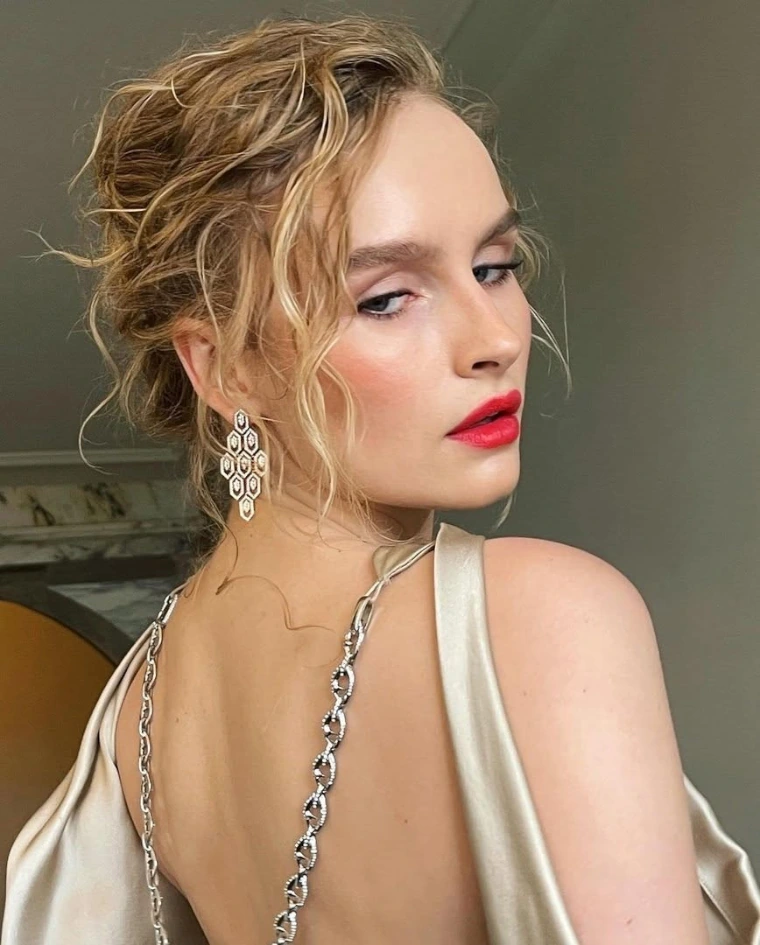
Her television work continued with the critically discussed miniseries “The Staircase”, in which she played Caitlin Atwater, the daughter of Kathleen Peterson. This was another significant change of tone from her earlier work, placing her within a serious true-crime drama featuring actors such as Toni Collette and Colin Firth.
Her subsequent appearance as Ella in the Australian miniseries “The Narrow Road to the Deep North” further demonstrated her continuing movement toward more mature dramatic material.
However, it was her portrayal of Priscilla Presley in “Elvis” that changed the scale of DeJonge’s career. Directed by Baz Luhrmann, the film presented the life and career of Elvis Presley through a highly stylised cinematic approach, with Austin Butler playing the legendary singer and DeJonge portraying Priscilla.
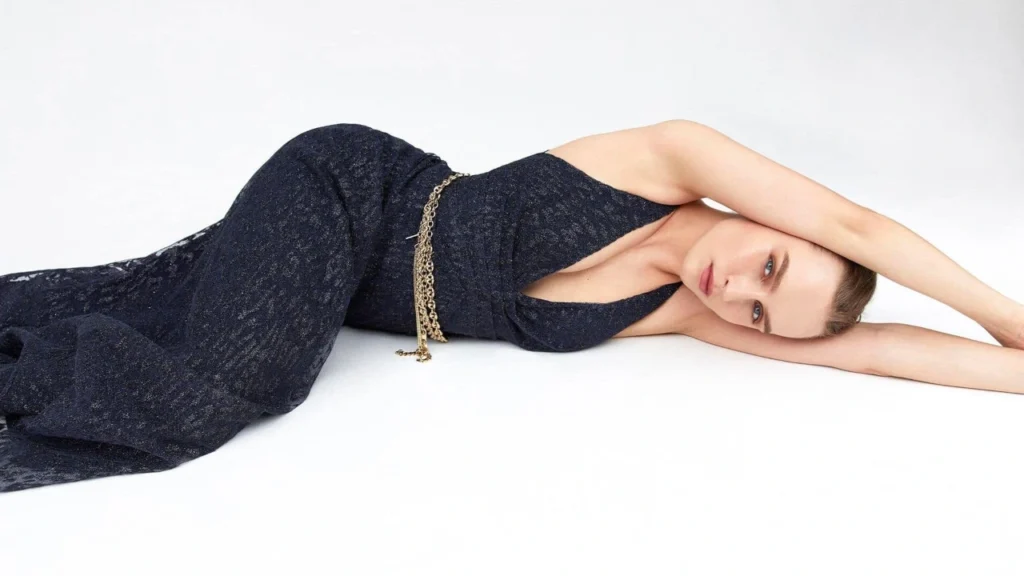
Rather than treating Priscilla simply as a supporting figure in Elvis’s story, DeJonge brought emotional depth to the character and helped represent the personal dimension of the singer’s complicated life.
Her chemistry with Butler was widely noticed, and her performance was particularly effective in the quieter moments of the film, where Priscilla’s perspective provided an emotional counterbalance to the spectacle surrounding Elvis. Winning the AACTA Award for Best Supporting Actress for the role was a major recognition of her ability to transform a historically recognisable figure into a believable screen character.
What makes Olivia DeJonge’s career noteworthy is the contrast between her relatively understated public personality and the increasingly demanding roles she has chosen. She has worked in horror, thriller, television drama, period drama, independent cinema, young-adult streaming television, true-crime storytelling and biographical filmmaking.
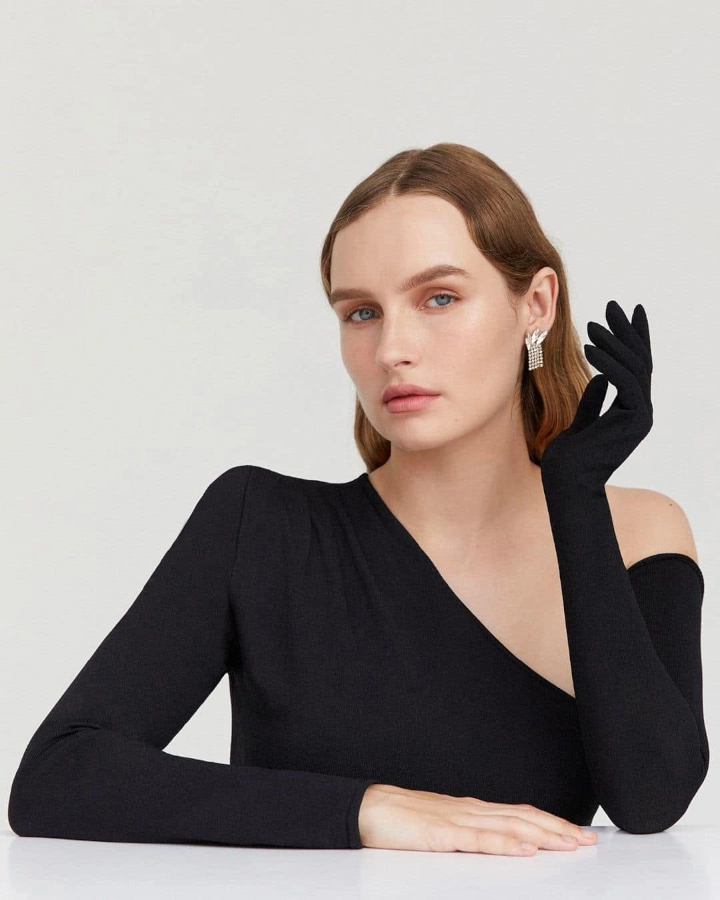
Her filmography shows a performer who has gradually expanded her range rather than depending on a single type of character. From her early years in Perth and her first radio voiceovers to international productions and award recognition, DeJonge’s story is ultimately one of sustained professional development.
She entered the entertainment industry as a child, but her career has matured alongside her, and her post-Elvis work suggests that she is determined to be recognised not simply as the actress who played Priscilla Presley, but as a versatile performer capable of taking on increasingly complex roles.
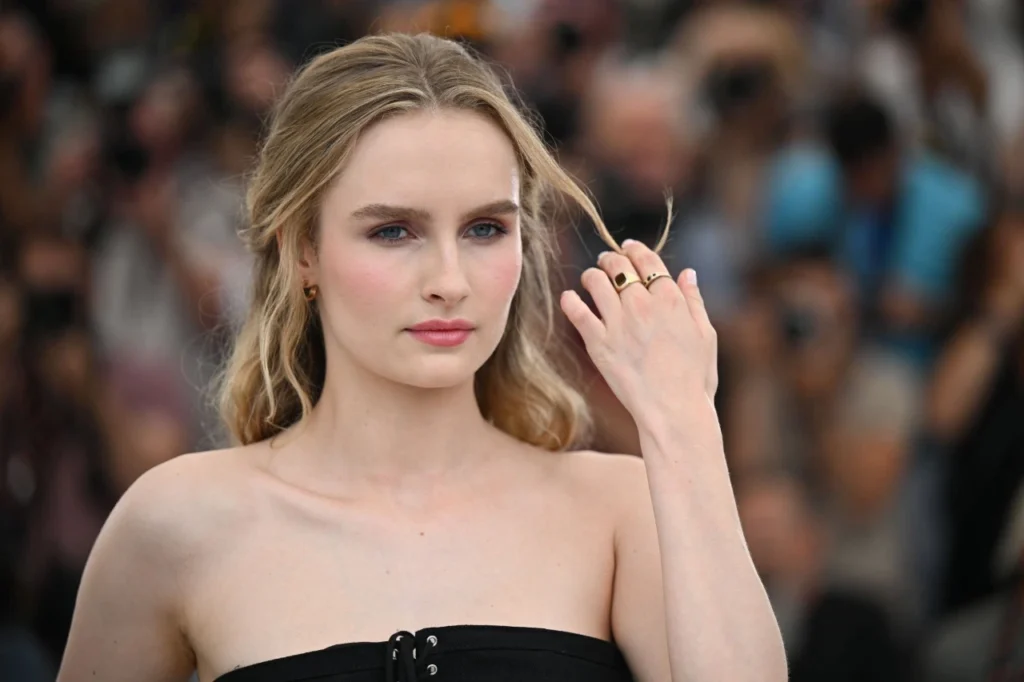
Olivia DeJonge — Quick Biography & Personal Information
- Full Name: Olivia DeJonge
- Date of Birth: 30 April 1998
- Age: 28 years old (as of 2026)
- Birthplace: Melbourne, Victoria, Australia
- Nationality: Australian
- Profession: Actress
- Industry: Film and television entertainment
- Years Active: 2011–present
- Raised In: Perth, Western Australia
- Education: Presbyterian Ladies’ College, Perth
- Early Interest: Acting, advertising and voice work
- First Professional Recognition: Good Pretender
- Breakthrough Australian Television Role: Tara Swift/Shaneen Quigg in “Hiding”
- International Film Recognition: Becca in “The Visit”
- Notable Thriller Role: Ashley in “Better Watch Out”
- Netflix Role: Elle Tomkins in “The Society”
- Major Biographical Role: Priscilla Presley in “Elvis”
- Major Award: AACTA Award for Best Supporting Actress in Film for “Elvis”
- Other Major Television Role: Caitlin Atwater in “The Staircase”
- Recent Major Series: The Narrow Road to the Deep North
- Character in The Narrow Road to the Deep North: Ella
- Known For: The Visit, The Society, Better Watch Out and Elvis
- Languages: IMDb lists her as fluent in English and French
- Social Media: Maintains a public Instagram presence
- Marital Status: No publicly confirmed marriage
- Husband: No publicly confirmed husband
- Children: No publicly confirmed children
- Current Career Status: Active actress working across film and television

Early Life, Birth and Family Background
Olivia DeJonge was born on 30 April 1998 in Melbourne, Victoria, Australia, to Rob DeJonge and Robyn DeJonge. She is the elder of two children. Her parents have been described in biographical sources as investors associated with the property and information-technology sectors, meaning that DeJonge did not come from a traditional entertainment-industry family.
Her earliest childhood years were spent in Melbourne, including time at Rochester Terrace, a heritage-listed townhouse in Albert Park. Her early environment therefore combined a distinctly Australian upbringing with a family that was not directly connected to the film and television business.
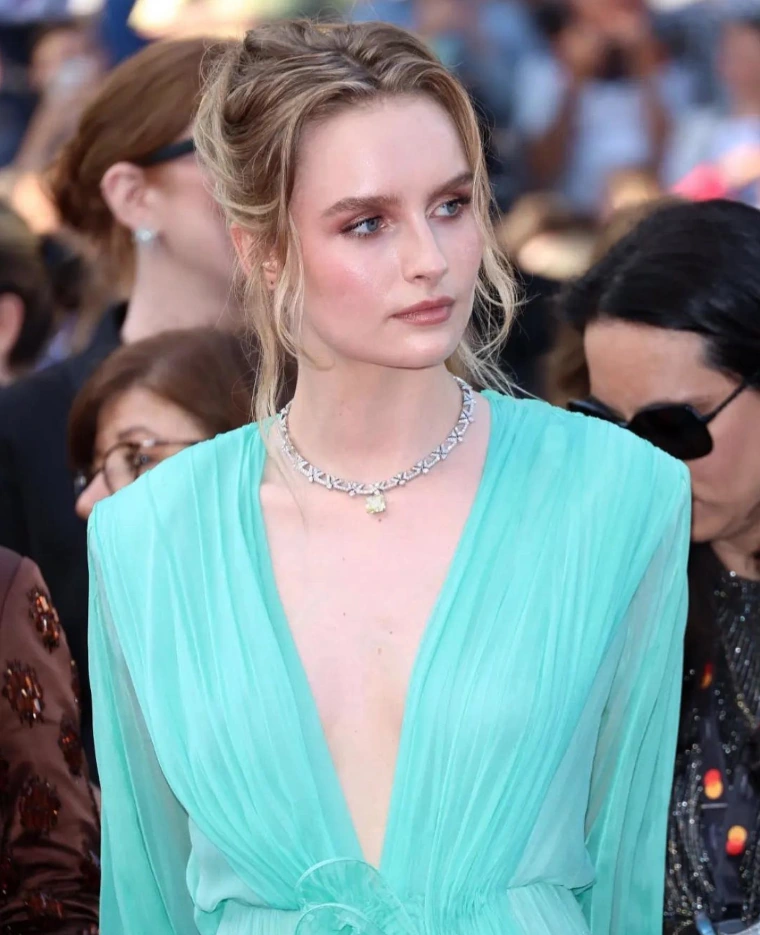
When DeJonge was five years old, her family relocated to Perth, Western Australia, in October 2003. Perth subsequently became the city most closely associated with her formative years. She grew up in Peppermint Grove and attended “Presbyterian Ladies’ College”, where she continued her education while gradually becoming involved in professional performance work.
The move from Melbourne to Perth was significant in retrospect because Western Australia became the place where her artistic ambitions began turning into an actual career. While many young people dream about becoming actors, DeJonge was already gaining practical experience at a very young age, learning how to work professionally while still living the everyday life of a school student.
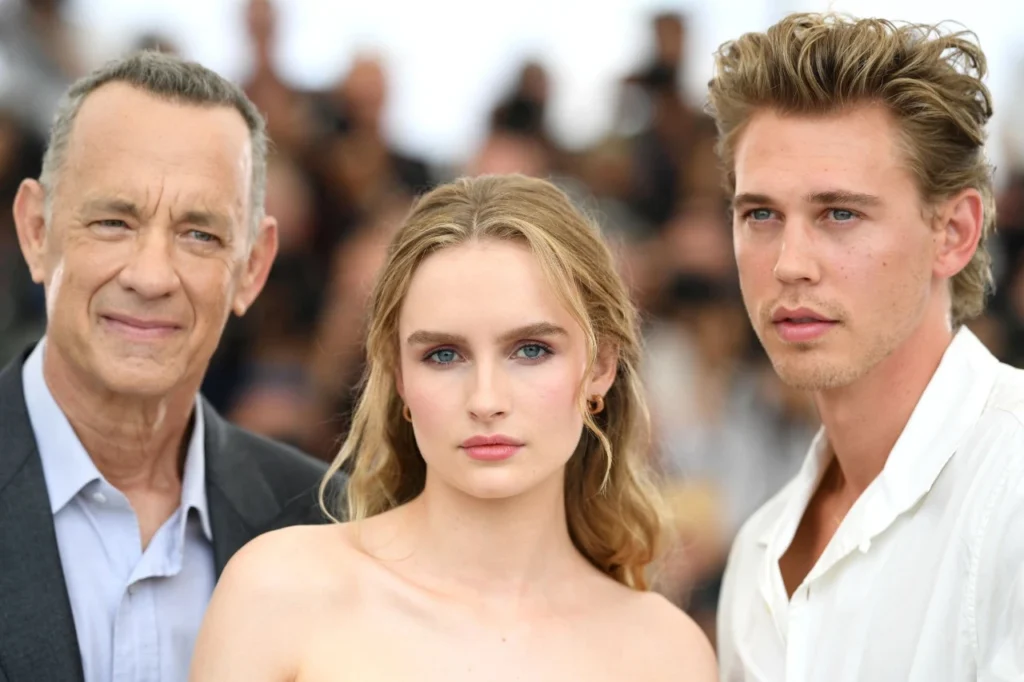
Her introduction to professional performance came through voice work and advertising. At approximately eight years old, she was hired to record a radio voiceover for a major hardware chain. The opportunity led to additional radio advertisements and helped her become familiar with the demands of professional recording.
This early experience was valuable because it taught her how to deliver lines naturally, respond to direction and perform repeatedly while maintaining consistency. Long before she appeared on an international film set, she had already learned some of the basic disciplines required of a working performer.
DeJonge’s childhood career also required her to balance acting opportunities with school. As her professional ambitions developed, she began attending auditions and taking part in productions while continuing her education. Her early years therefore involved a combination of academic responsibilities, travel, auditions and acting commitments.
This background helps explain why her later career developed with a noticeable degree of professionalism and adaptability. She was introduced to the realities of the entertainment industry early, rather than entering the profession only after completing her education.

Education and Beginning of Her Acting Journey
DeJonge attended “Presbyterian Ladies’ College” in Perth, where she continued her schooling while simultaneously exploring professional acting. Her education remained an important part of her life during the early years of her career, even when acting opportunities began demanding more of her time.
Reports from her teenage years described the challenge of managing schoolwork alongside auditions and film commitments, demonstrating that her professional ambitions developed while she was still a student.
Her early interest in performance gradually moved from advertising into scripted acting. One of the most important early projects in her career was Maziar Lahooti’s short film “Good Pretender”.
The project gave the young actress an opportunity to work in a more serious dramatic setting and demonstrate that she could carry a narrative rather than simply perform commercial material. Her work in the short film received Best Actress recognition at the Western Australian Screen Awards, giving her an early indication that acting could become a genuine profession rather than merely a childhood interest.
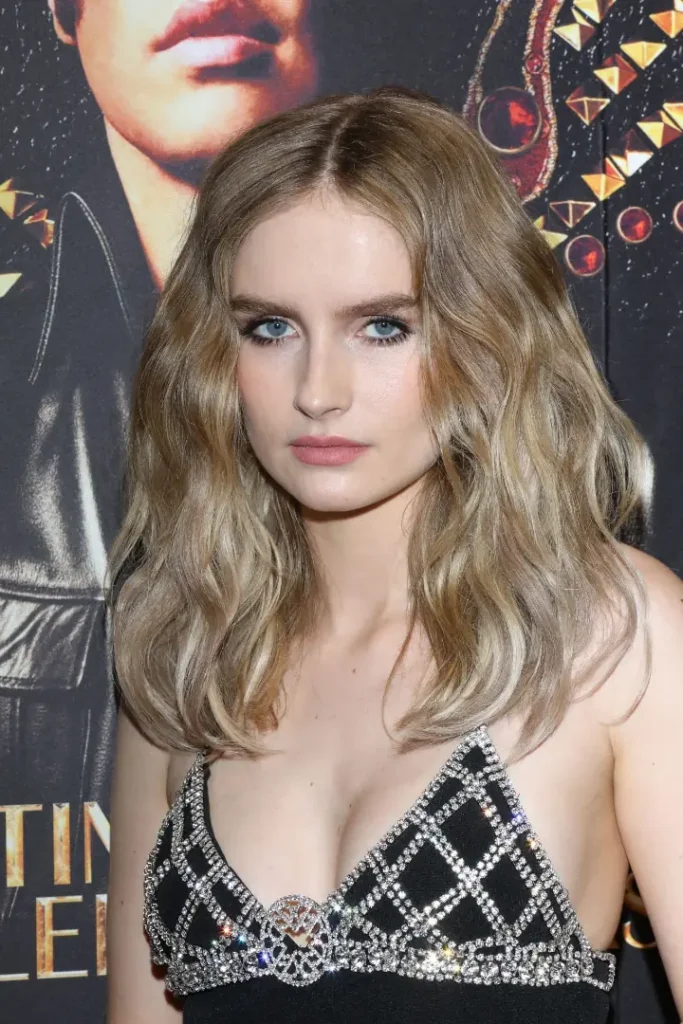
The recognition surrounding “Good Pretender” helped open further opportunities. As her reputation developed, she began receiving professional representation and was introduced to the American entertainment market. While still in her teenage years, she travelled to the United States for auditions and began exploring opportunities beyond Australia.
This was an important stage in her development because it placed her in an international competitive environment at a relatively young age. Rather than immediately becoming a major star, she spent several years building experience, auditioning and accepting roles that gradually increased her exposure.
Her education and early professional experiences also contributed to a quality that has remained central to her career: adaptability. DeJonge has never been associated exclusively with one style of performance. Her early work involved voice acting and advertising, followed by short films, television drama, horror, independent cinema, streaming television and historical productions. That variety suggests that her career was shaped not only by ambition but also by a willingness to learn from each new project.

Olivia DeJonge’s Early Film Career and “The Sisterhood of Night”
Olivia DeJonge made her feature-film debut in “The Sisterhood of Night”, directed by Caryn Waechter. The film, which premiered in 2014 before its wider release in 2015, featured DeJonge alongside Georgie Henley, Kara Hayward and Kal Penn. She portrayed Lavinia Hall, becoming part of an ensemble centred around a group of young characters and the mysterious events surrounding them. The project represented an important transition for DeJonge because it moved her from short-form and Australian work into an American feature-film environment.
While “The Sisterhood of Night” was not a conventional commercial blockbuster, the film was professionally important because it provided DeJonge with experience in a feature-length American production. Working on a feature film required a different level of discipline from the shorter projects she had previously completed.
She had to sustain a character over a longer narrative, work within an ensemble and adapt to the production demands of an American film set. These experiences became increasingly valuable as she moved toward larger international projects.

The next major step came through Australian television. In 2015, DeJonge appeared in the ABC1 drama series “Hiding”, playing ‘Tara Swift/Shaneen Quigg’. The role gave her an opportunity to work within a sustained television narrative and demonstrated that she could handle more complicated character material. “Hiding” became one of the projects that established her as a serious young Australian performer at a time when her career was beginning to move beyond childhood roles.
The combination of “The Sisterhood of Night” and “Hiding” effectively positioned DeJonge for her international breakthrough. She had already accumulated experience in both film and television, and she was now ready for a role that would expose her to a much larger global audience.
“The Visit” and International Recognition
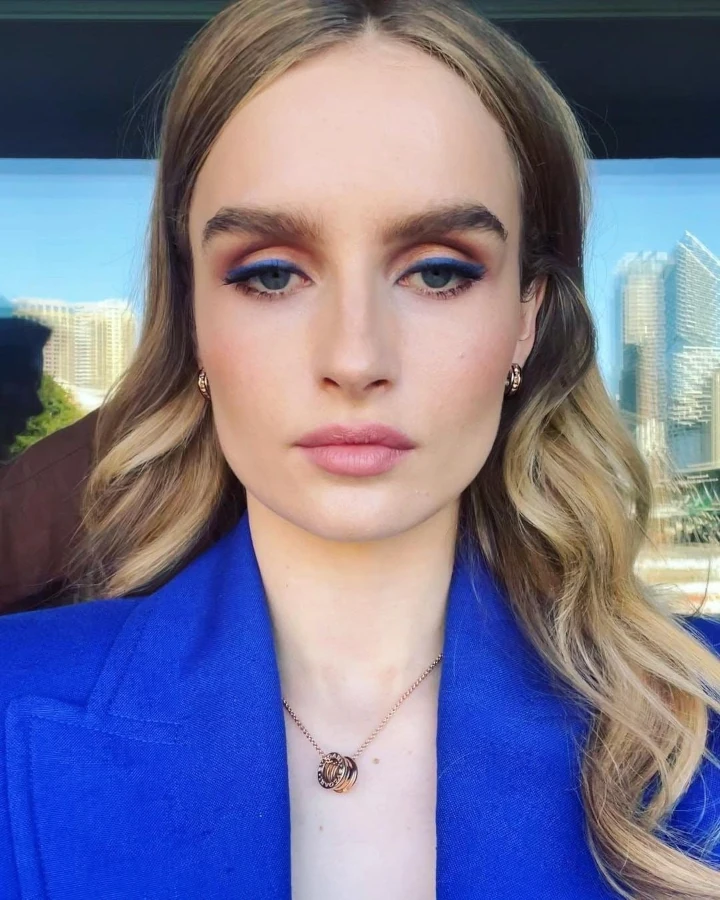
In 2015, Olivia DeJonge appeared in M. Night Shyamalan’s “The Visit”, playing Becca Jamison. The psychological horror film followed Becca and her brother Tyler as they travelled to stay with their grandparents, only for their seemingly ordinary visit to develop into an increasingly disturbing experience. DeJonge shared the central young-character dynamic with fellow Australian actor Ed Oxenbould, and together they were required to carry much of the film’s emotional and suspenseful momentum.
“The Visit” was an important turning point because it introduced DeJonge to audiences well beyond Australia. Working under a filmmaker as internationally recognised as M. Night Shyamalan placed her within a major American production and gave her the opportunity to demonstrate her abilities in a commercially distributed genre film.
Horror can be particularly demanding for young performers because it requires convincing reactions to events that are often created through visual effects, editing and sound rather than occurring directly in front of the actors. DeJonge’s performance benefited from her ability to make Becca’s fear and uncertainty feel grounded.
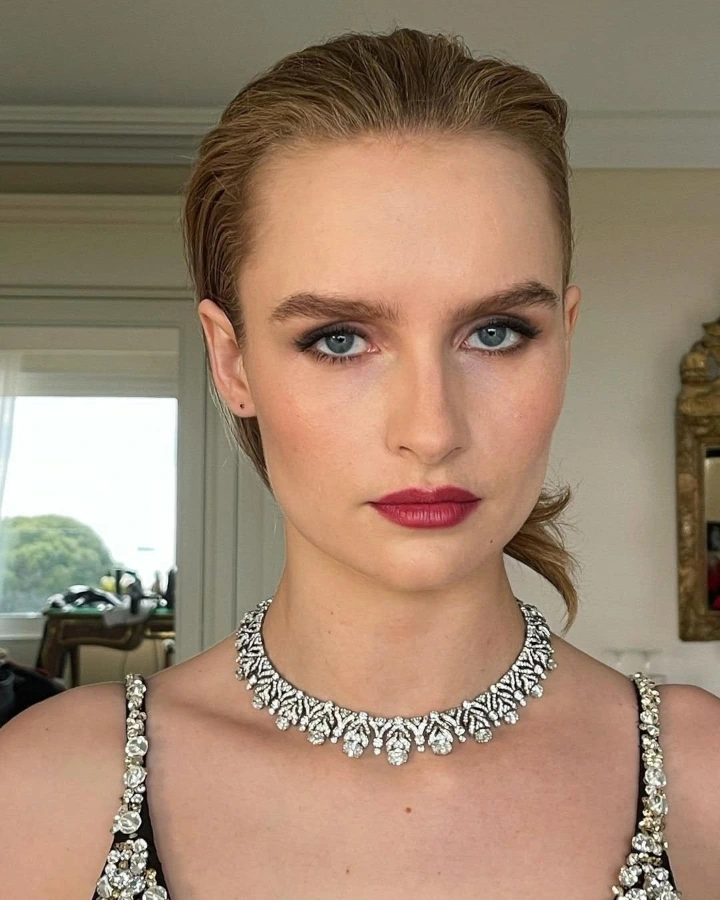
The success and visibility of “The Visit” helped establish DeJonge as a young actress capable of working in international cinema. Importantly, the film did not become the end point of her career. Instead, it became one stage in a larger progression. She continued choosing projects that placed her in different situations and genres, gradually demonstrating that she was not dependent upon the horror genre for recognition.
Her work following “The Visit” included the Australian horror film “Scare Campaign”, in which she played Abby, and the psychological thriller “Better Watch Out”, in which she portrayed Ashley. These projects strengthened her association with suspenseful storytelling but also required her to approach characters with different emotional registers. In “Better Watch Out”, particularly, the apparent simplicity of a babysitting assignment develops into a much more complicated psychological situation, giving DeJonge the opportunity to work with shifting tension and unexpected character dynamics.

“Will”, Independent Films and Expanding Her Range
In 2017, DeJonge joined the cast of TNT’s period drama “Will”, playing Alice Burbage. The series explored the young William Shakespeare and the theatrical world of Elizabethan London. Moving into period drama represented another change of direction for DeJonge, who had already become associated with contemporary thrillers and horror.
Her involvement in “Will” demonstrated that her career was becoming increasingly diverse. Period productions require actors to adapt to different social conventions, costumes, dialogue patterns and historical contexts. For a performer still in her late teens, the experience offered another valuable opportunity to broaden her professional vocabulary.

DeJonge also continued working in independent cinema. Projects such as Undertow, Stray Dolls and Josie & Jack allowed her to explore smaller-scale productions and character-driven stories. These films were important because they prevented her filmography from becoming dominated exclusively by large commercial productions. Independent cinema often gives actors more opportunities to explore complicated or unconventional characters, and DeJonge’s participation in such projects contributed to the variety of her career.
This period can be viewed as a developmental phase in which DeJonge was gradually moving away from being described simply as a promising young actress and toward becoming an established performer. Each project offered a different experience, and the cumulative effect was a filmography that already crossed several genres before she reached the career-defining role that would later make her internationally recognisable.
“The Society” and Netflix Recognition
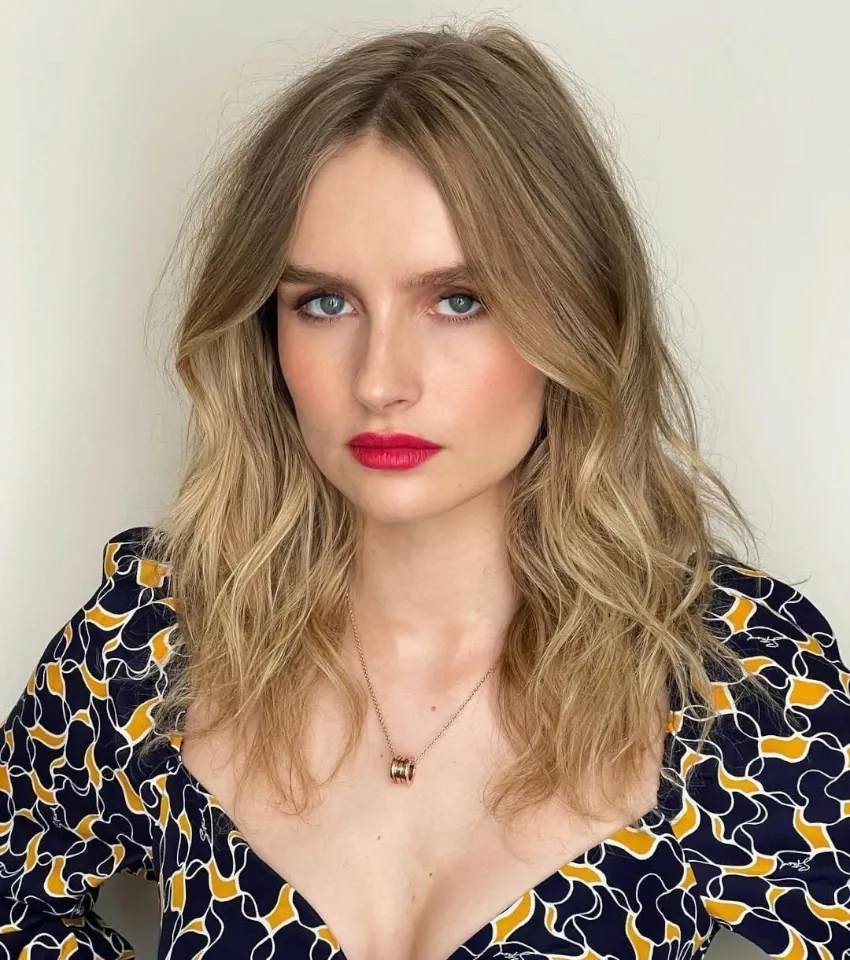
One of Olivia DeJonge’s most recognisable television performances came in Netflix’s “The Society”, released in 2019. She played ‘Elle Tomkins’, a young dancer who becomes part of a group of teenagers suddenly separated from the adults and forced to create their own society. The series combined elements of teen drama, mystery, science fiction and psychological suspense.
Elle was a particularly demanding character because her storyline involved emotional vulnerability, fear and manipulation. Rather than portraying a conventional confident teenage protagonist, DeJonge had to show the psychological consequences of living in an increasingly unstable environment. The character’s emotional journey allowed her to demonstrate a different side of her acting abilities from the horror roles that had brought her early international attention.

“The Society” also represented an important shift in the way DeJonge reached audiences. Netflix’s international distribution meant that her performance could be seen simultaneously by viewers in numerous countries. Streaming television was rapidly changing the entertainment industry during this period, and becoming part of a high-profile Netflix ensemble helped strengthen her international visibility.
Although “The Society” ultimately lasted only one season, its audience continued to remember the series and its young cast. For DeJonge, it became an important entry in her television career and helped demonstrate that she could successfully transition between film and streaming television.
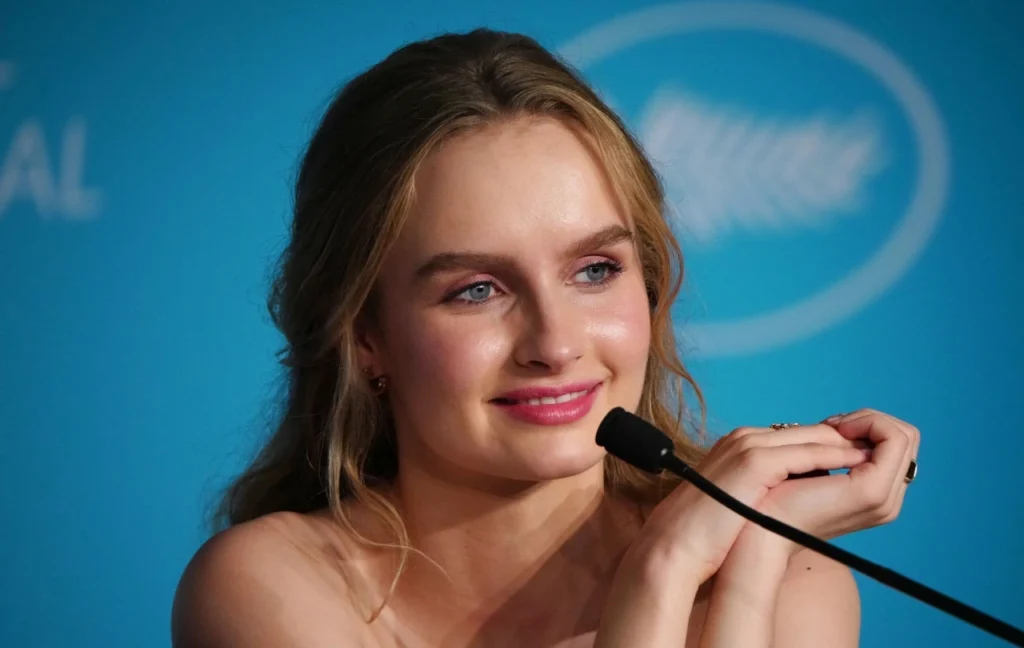
“Elvis” – Olivia DeJonge as Priscilla Presley
The defining role of Olivia DeJonge’s career arrived in 2022, when she portrayed ‘Priscilla Presley’ in Baz Luhrmann’s “Elvis”. The film starred Austin Butler as Elvis Presley and Tom Hanks as Colonel Tom Parker and presented the story of Elvis’s life and career through Luhrmann’s highly stylised visual and musical approach.
Playing Priscilla Presley was an unusually significant opportunity because Priscilla is not merely a historical figure; she is a public personality whose relationship with Elvis has been discussed and portrayed for decades.
DeJonge therefore had to create a performance that felt authentic without becoming a simple imitation. She had to communicate Priscilla’s personality, emotional development and relationship with Elvis while remaining part of a film largely constructed around the larger-than-life mythology of one of music’s most famous figures.

The contrast between Elvis’s enormous public persona and Priscilla’s comparatively private emotional world became one of the most effective aspects of DeJonge’s performance. Austin Butler’s Elvis dominates many of the film’s musical and theatrical sequences, while DeJonge’s Priscilla often brings the story back to personal relationships, vulnerability and emotional consequence. Their chemistry helped make the relationship feel believable, particularly during scenes in which the film moves away from public performance and concentrates on their private lives.
DeJonge has spoken about the audition process and the experience of working with Baz Luhrmann. Being selected for the role was an important moment because Luhrmann had a very specific cinematic vision for “Elvis”. The actress had to work within an intensely stylised production while ensuring that Priscilla remained recognisable as a person rather than simply functioning as a supporting character.
The role received strong critical attention and ultimately brought DeJonge the AACTA Award for Best Supporting Actress in Film. The recognition was particularly meaningful because the AACTA Awards represent Australia’s major screen-industry awards organisation, making the achievement an important moment in the career of an Australian actress who had begun her professional journey in Western Australia.

AACTA Award and Career Recognition
Winning the AACTA Award for Best Supporting Actress in Film for “Elvis” became the most significant individual acting honour of Olivia DeJonge’s career to that point. The award represented more than recognition for one performance; it demonstrated how far she had travelled professionally since her childhood work in radio advertising and short films.
The success of “Elvis” also brought her into a new category of international visibility. She was no longer known only as the young actress from “The Visit” or the Netflix performer from “The Society”. She had now played a globally recognised historical figure in one of the most prominent musical biographical films of the period.

The achievement also illustrated the importance of persistence in her career. DeJonge had been working professionally for more than a decade before “Elvis”. Her award-winning performance was therefore the result of years of auditions, smaller productions, television work, independent films and increasingly ambitious roles.
Rather than immediately attempting to repeat the success of “Elvis” with another celebrity biopic, DeJonge continued exploring different types of material. This decision has allowed her career to remain varied and has strengthened the impression that she is interested in acting itself rather than simply pursuing fame.
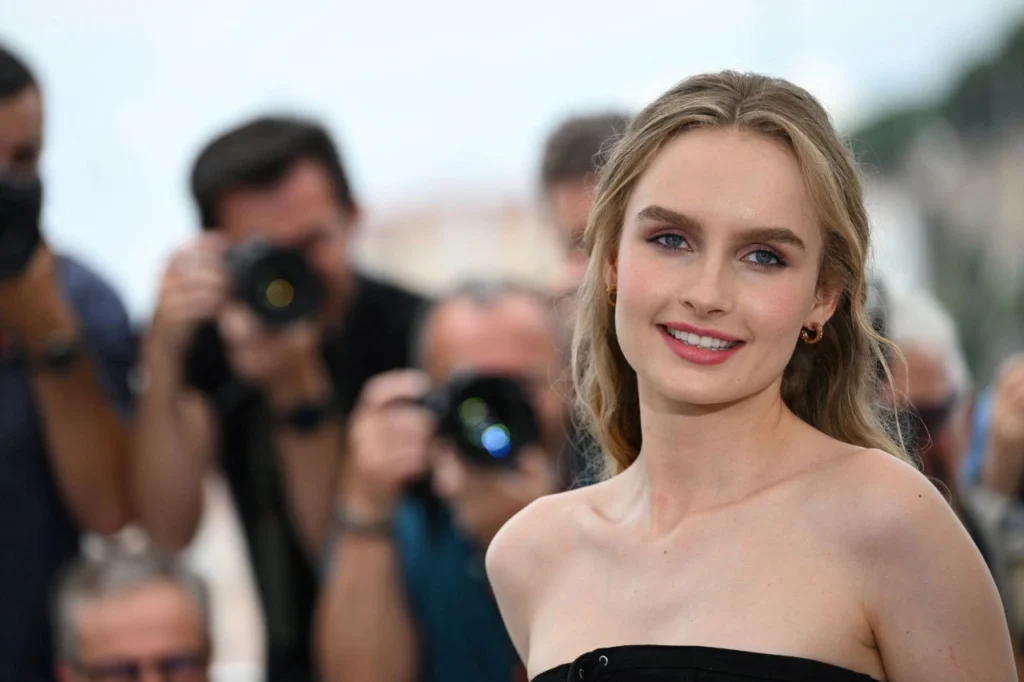
The Staircase and Mature Dramatic Roles
In the same year that “Elvis” brought her major recognition, DeJonge appeared in the HBO Max miniseries “The Staircase”. She played ‘Caitlin Atwater’, the daughter of Kathleen Peterson, portrayed by Toni Collette. The series dramatised the complicated legal case involving Michael Peterson and the death of his wife Kathleen.
Caitlin’s role required DeJonge to portray a young woman dealing with grief while gradually confronting disturbing questions about the circumstances surrounding her mother’s death. Her relationship with Michael Peterson becomes increasingly complicated as the legal case develops, and the character’s emotional journey is shaped by uncertainty, anger and conflicting loyalties.
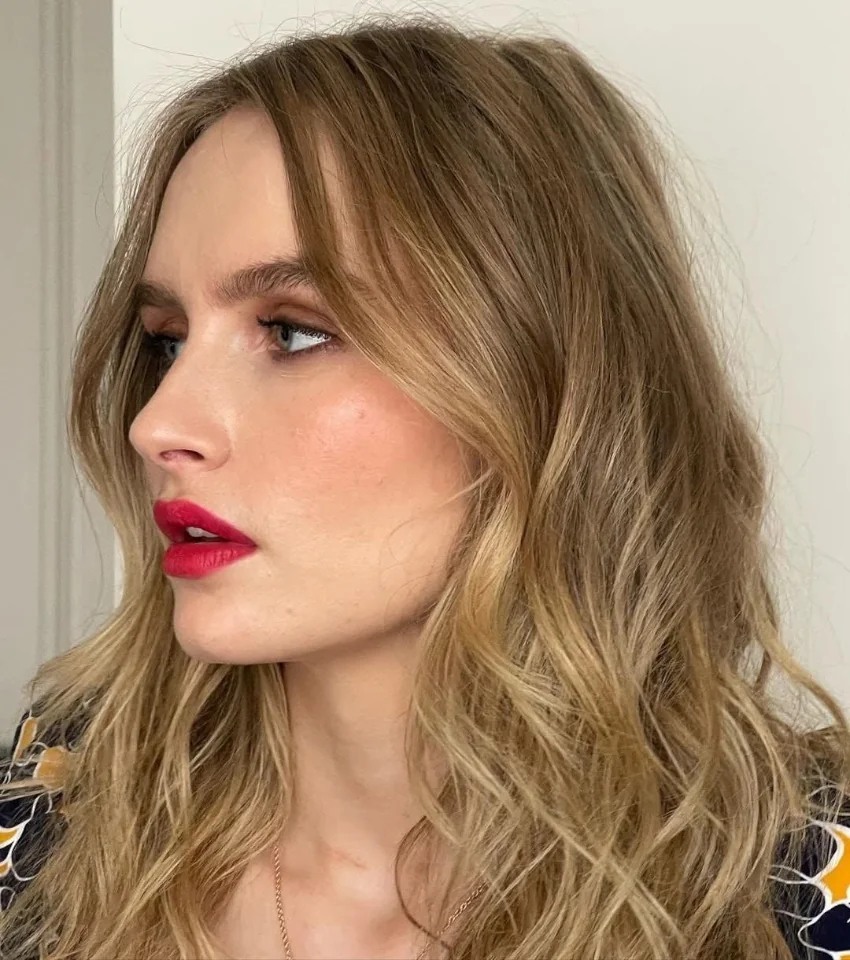
The role was another useful demonstration of DeJonge’s range. Unlike the stylised world of “Elvis”, “The Staircase” required a more restrained and naturalistic dramatic approach. The series was driven largely by character relationships, legal developments and psychological tension, allowing DeJonge to demonstrate that she could contribute effectively to an ensemble of highly experienced actors.
Her involvement in “The Staircase” also reinforced the fact that the success of “Elvis” had not narrowed her opportunities. Instead, it appeared to have expanded the types of projects willing to cast her in substantial dramatic roles.
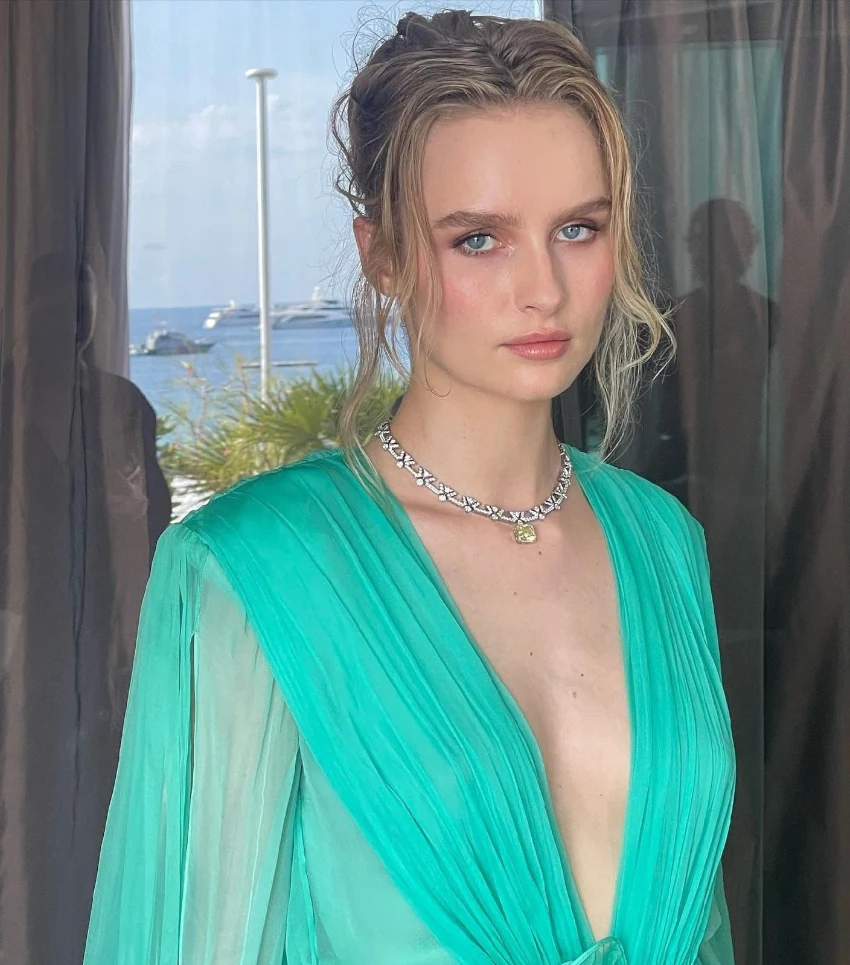
The Narrow Road to the Deep North
Another important chapter in Olivia DeJonge’s career came with the Australian miniseries “The Narrow Road to the Deep North”, based on Richard Flanagan’s acclaimed novel. Directed by Justin Kurzel, the series explores the life of Dorrigo Evans across different periods, including his wartime experiences as a prisoner of war and the long-term emotional consequences of those experiences.
DeJonge plays ‘Ella’, appearing in a cast that includes Jacob Elordi, Ciarán Hinds, Odessa Young and Simon Baker. The project represented a return to an Australian production on a significant scale and connected her to a major literary adaptation.
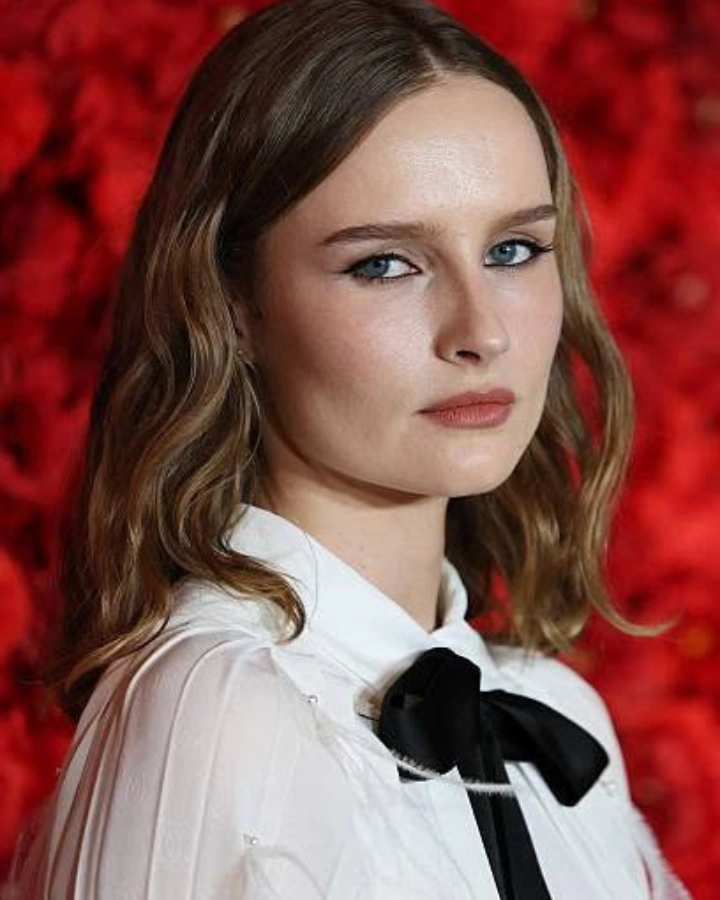
The series also fits naturally into the evolution of DeJonge’s career because it deals with mature themes, historical trauma, love, memory and the consequences of choices made across decades. Her participation demonstrates that her career has continued moving toward complex dramatic storytelling rather than remaining centred on the young-adult and horror projects associated with some of her earlier years.
By this stage, DeJonge had built a filmography that crossed Australian and American productions, cinema and television, commercial and independent projects, contemporary and historical settings. The Narrow Road to the Deep North therefore represents another step in the gradual broadening of her dramatic identity.
Olivia DeJonge’s Acting Style and Professional Strengths
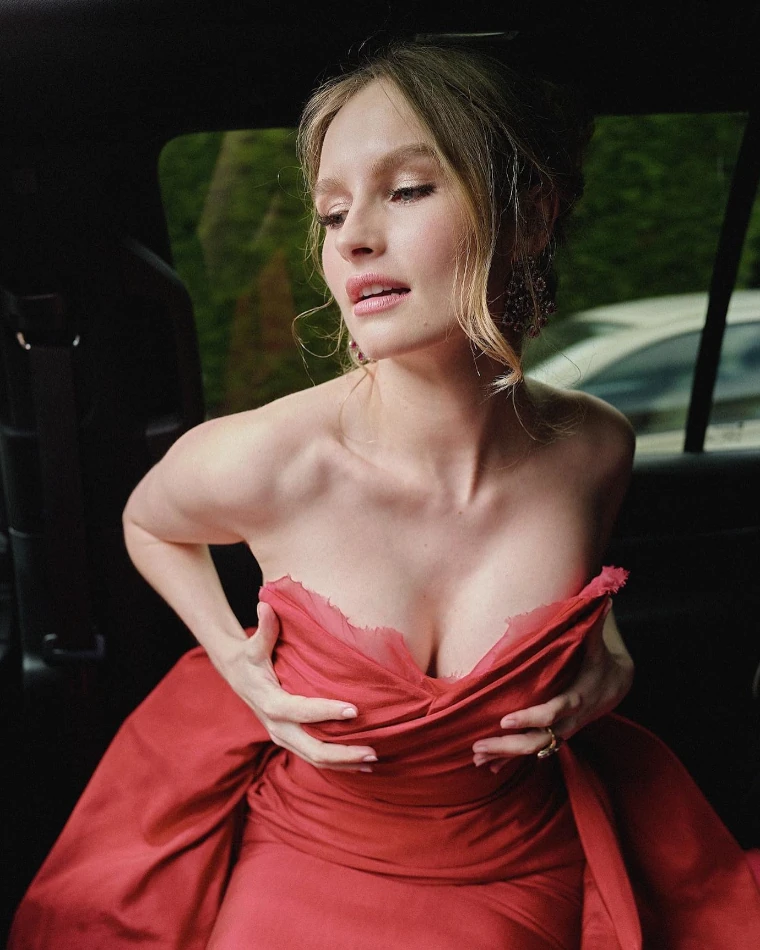
One of Olivia DeJonge’s most noticeable professional strengths is her versatility. She has successfully moved between psychological horror, thriller, television drama, period drama, independent cinema, streaming series, true-crime storytelling and biographical filmmaking. This range is particularly significant because she began her career as a child performer and has managed to develop into an adult actress without becoming permanently associated with one particular type of role.
Her performances often depend upon subtle emotional reactions rather than excessive theatricality. In “The Visit”, she had to communicate fear and suspicion while maintaining the perspective of a young girl. In “The Society”, she portrayed a vulnerable character struggling within an increasingly dangerous social environment. In “The Staircase”, she dealt with grief and uncertainty. In “Elvis”, she portrayed a real person whose relationship with one of the world’s most famous entertainers required emotional restraint and historical awareness.
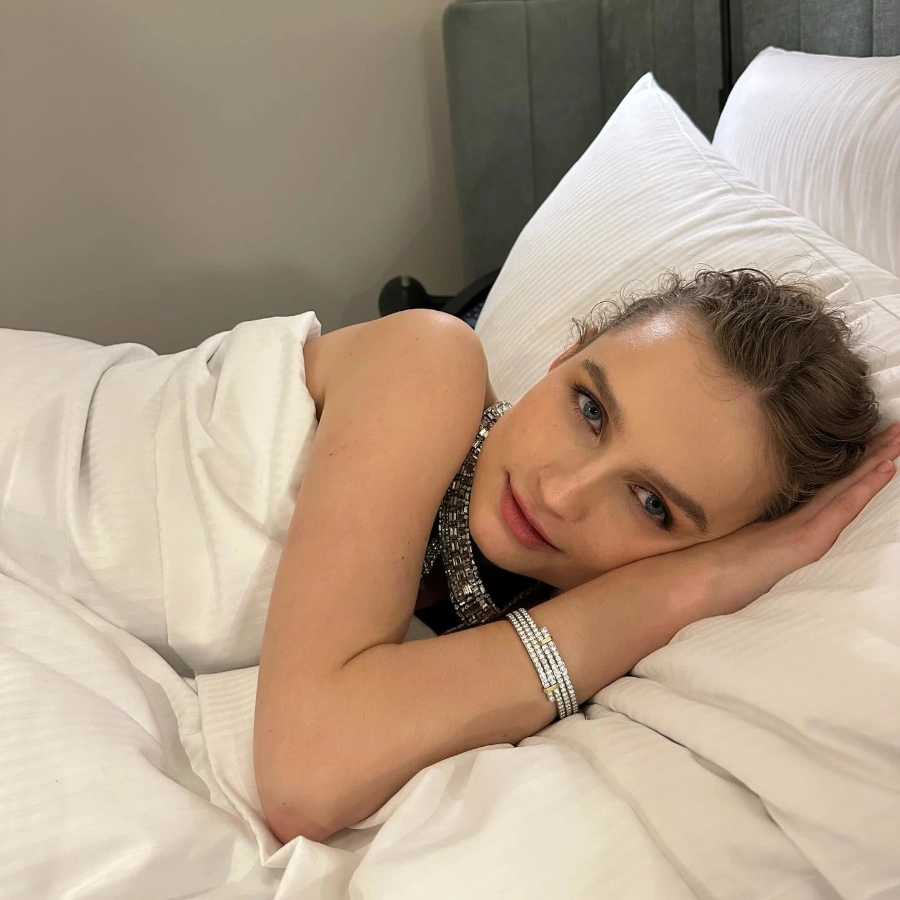
Another strength is her willingness to work at different production levels. Her filmography contains internationally distributed studio projects as well as independent films and television productions. This suggests a career strategy based on developing experience rather than simply pursuing the biggest available project.
Her professional journey also demonstrates an ability to adapt to different directors and production styles. Working with filmmakers such as M. Night Shyamalan and Baz Luhrmann required completely different approaches, while television projects such as “The Society” and “The Staircase” required her to sustain characters over longer narratives. This adaptability has become one of the defining characteristics of her career.
Olivia DeJonge’s Personal Life, Relationships, Boyfriend and Marriage
Olivia DeJonge has generally kept her private life away from the centre of her public career. Her interviews and professional appearances tend to focus on acting, filmmaking, individual projects and the experiences of working with directors and fellow performers rather than providing extensive information about romantic relationships.
As of 2026, there is no reliably confirmed public information establishing that Olivia DeJonge is married. There is also no publicly verified information identifying a husband or children. Because celebrity relationship information is frequently circulated through social media and entertainment blogs without direct confirmation, such claims should be approached carefully.
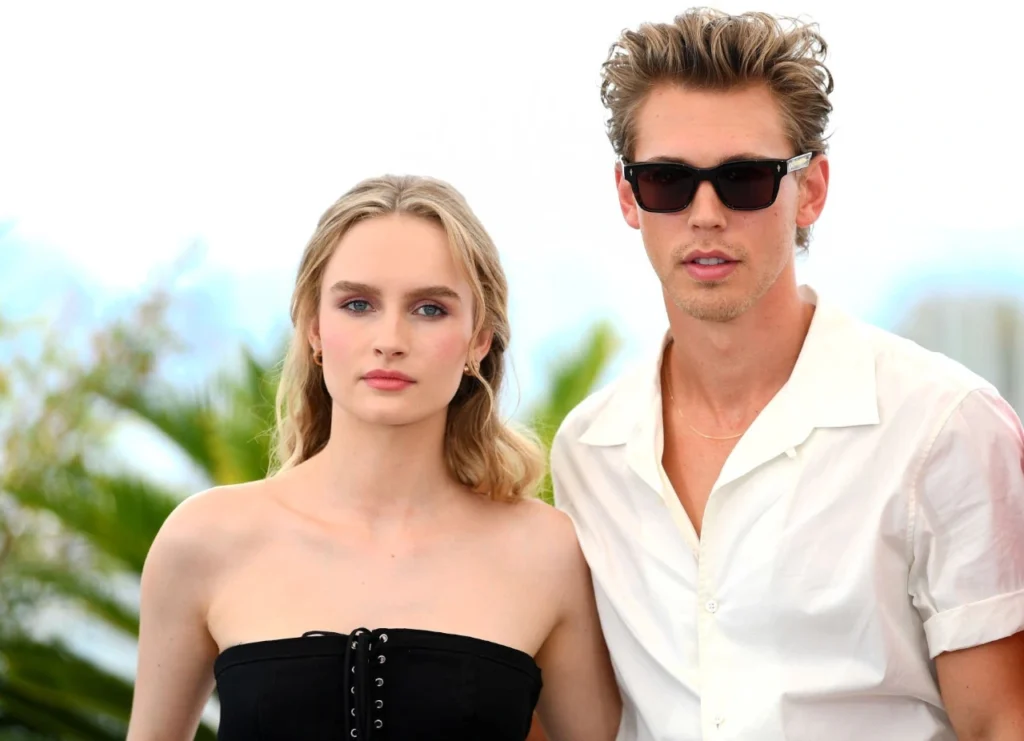
There has also been speculation about DeJonge’s relationship with “Elvis” co-star Austin Butler. Their on-screen chemistry generated considerable interest, and internet reports and social-media discussions have periodically linked the two actors romantically.
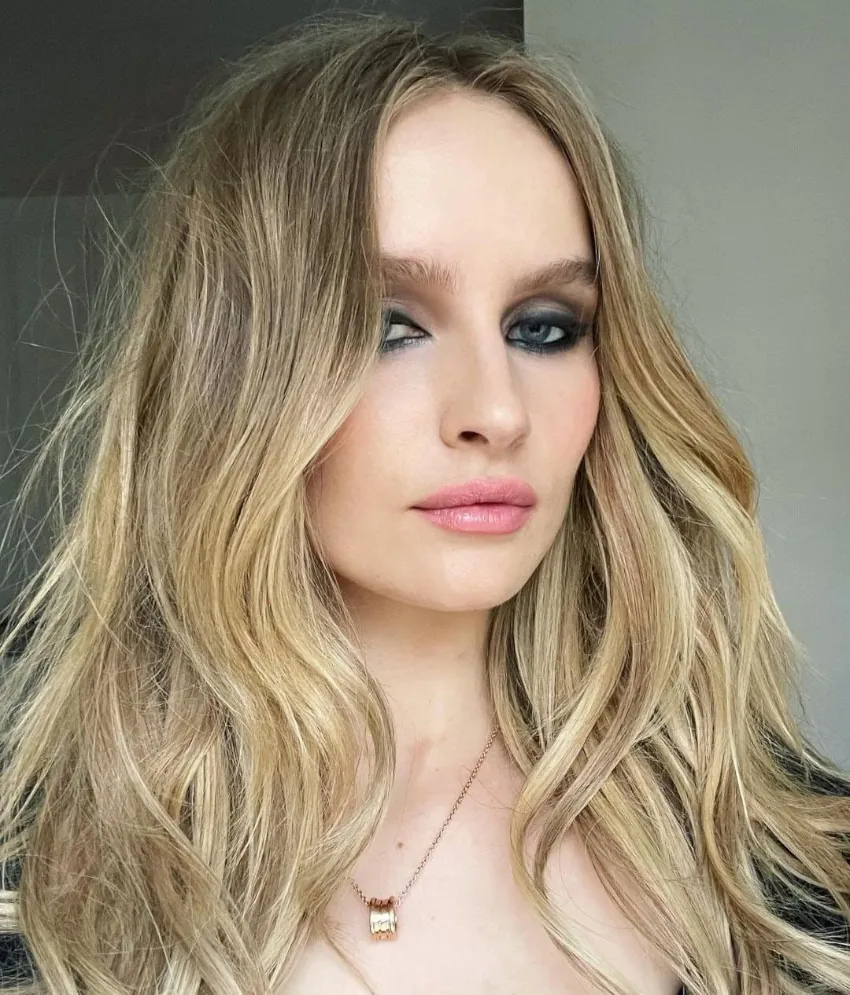
However, unverified online speculation should not be treated as established biography. Unless a relationship has been confirmed by the individuals involved or supported by highly reliable reporting, it is more responsible to describe such claims as rumours rather than facts.
DeJonge’s decision to maintain boundaries around her private life is consistent with the relatively understated nature of her public persona. She has built recognition primarily through her acting work, and her professional achievements provide considerably stronger evidence of her public identity than speculation about her personal relationships.
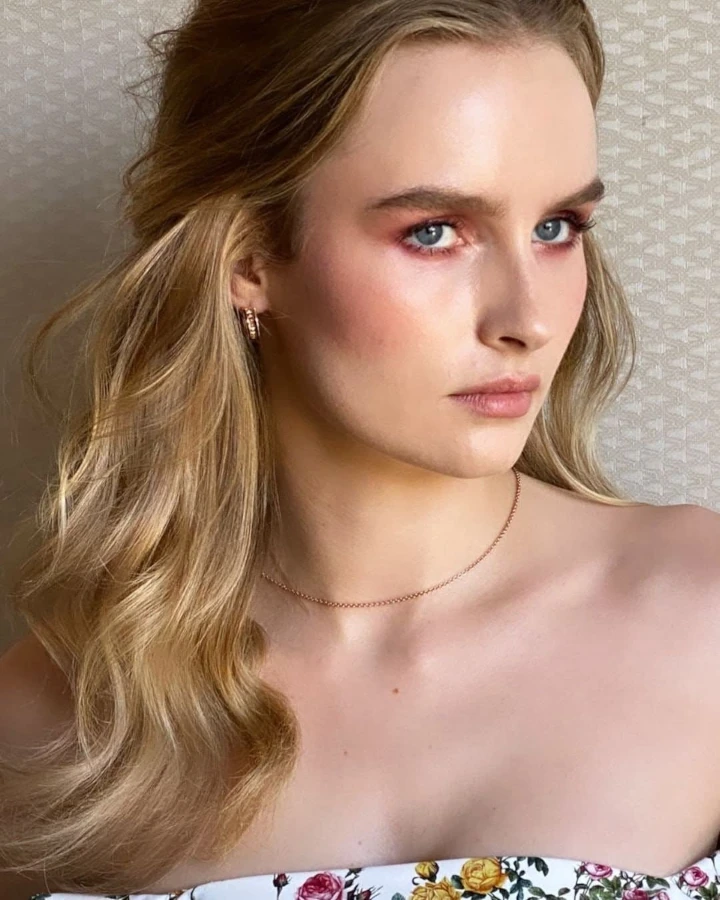
Olivia DeJonge’s Net Worth and Financial Position
Olivia DeJonge’s exact net worth is not publicly verified. A number of celebrity websites publish estimated figures, but these amounts generally cannot be independently confirmed because actors’ contracts, salaries, residual arrangements, taxes, investments and private assets are not publicly available in sufficient detail.
For that reason, it would be misleading to present a specific net-worth figure as fact. What can be established is that DeJonge has developed a professional career involving feature films, television productions, streaming series and an award-winning major studio film. Her career profile has grown considerably since her early work, particularly following the international success of “Elvis”.
Her financial trajectory is therefore likely to have developed alongside her professional standing, but a responsible biography should avoid presenting speculative celebrity-wealth estimates as verified information.
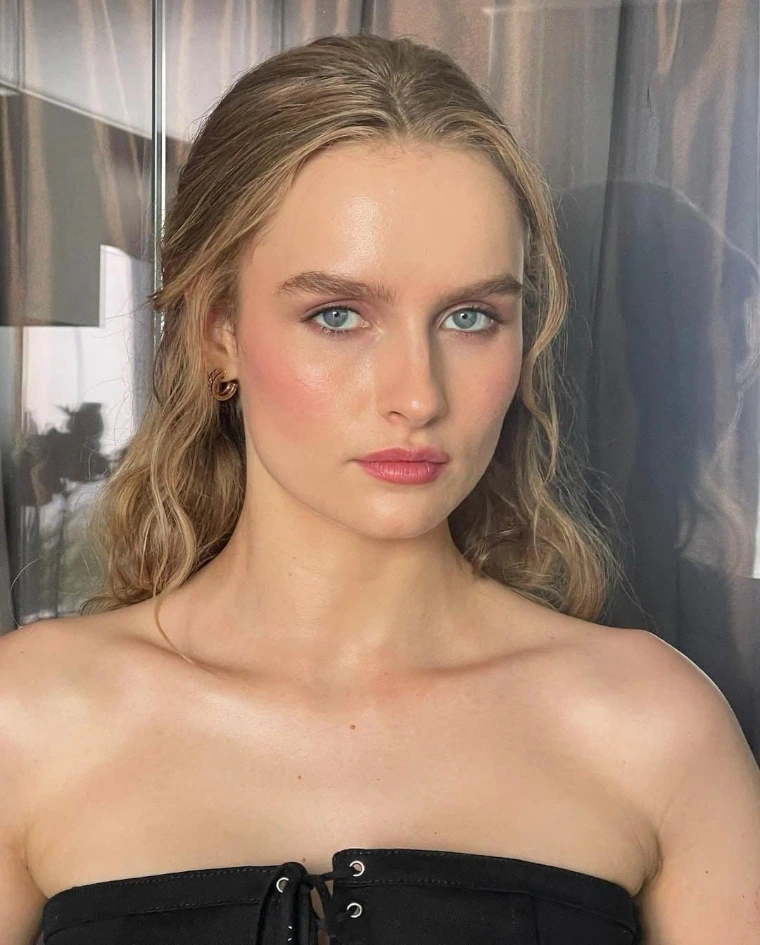
Olivia DeJonge Filmography
According to filmography records from IMDb and other reference sources, her principal screen credits include:
| Year | Film / Television | Character |
| 2010 | Good Pretender | Ally |
| 2012 | Polarised | Beth |
| 2012 | Eleven Thirty | Sally |
| 2014 | The Sisterhood of Night | Lavinia Hall |
| 2015 | The Visit | Becca Jamison |
| 2015 | Hiding | Tara Swift / Shaneen Quigg |
| 2016 | Scare Campaign | Abby |
| 2016 | Better Watch Out | Ashley |
| 2017 | Will | Alice Burbage |
| 2018 | Undertow | Angie |
| 2018 | Love and Other Places | Shaz |
| 2019 | Stray Dolls | Dallas |
| 2019 | Josie & Jack | Josie |
| 2019 | The Society | Elle Tomkins |
| 2022 | Elvis | Priscilla Presley |
| 2022 | The Staircase | Caitlin Atwater |
| 2025 | The Narrow Road to the Deep North | Ella |
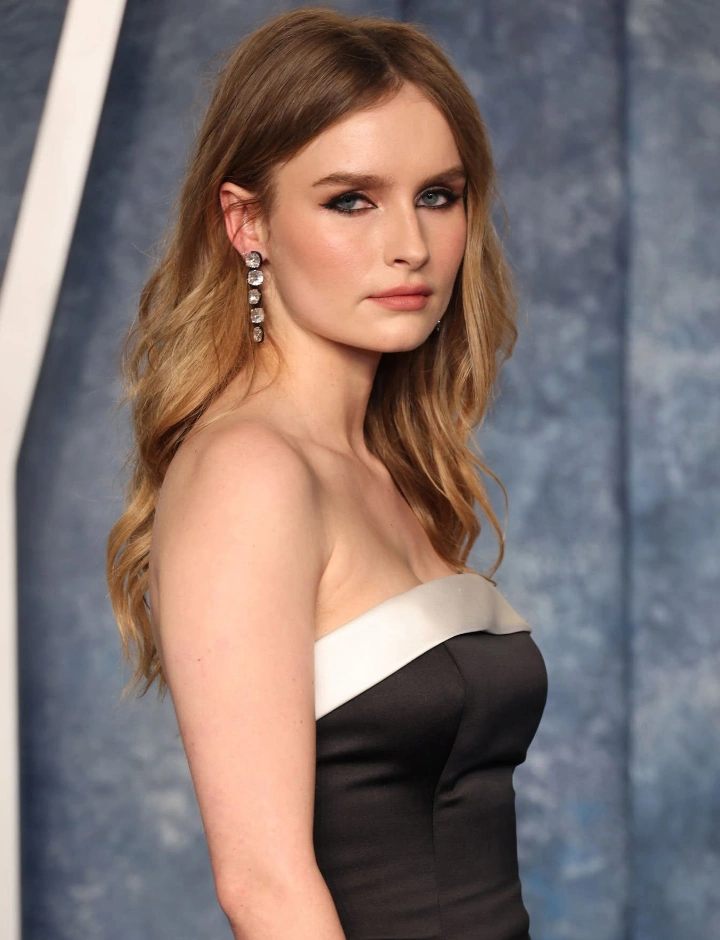
Olivia DeJonge’s Awards and Recognition
Olivia DeJonge received significant early recognition for her performance in “Good Pretender”, winning Best Actress recognition at the Western Australian Screen Awards. The achievement was notable because she was still very young and at the beginning of her professional career.
Her international profile expanded following “The Visit”, while her role in “The Society” helped establish her among a younger generation of actors working in global streaming television. However, the most important award of her career so far came for “Elvis”.

For portraying Priscilla Presley, DeJonge won the AACTA Award for Best Supporting Actress in Film. The award placed her among the major Australian acting successes associated with the film and represented a significant recognition of the maturity and emotional detail she brought to the role.
Her awards history is therefore best understood as a progression: early recognition as a young Australian performer, international visibility through film and television, and major national industry recognition following her performance in “Elvis”.
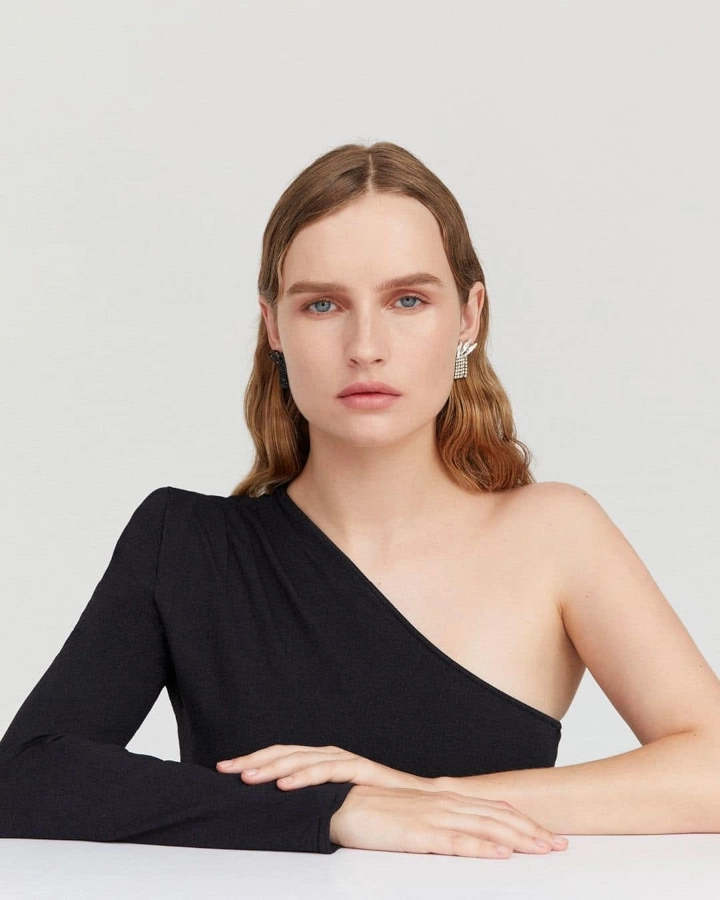
Olivia DeJonge on Social Media
Olivia DeJonge maintains a public presence on Instagram, where she shares selected professional moments, photographs and updates. Unlike some entertainment personalities who use social media as a major component of their celebrity identity, DeJonge’s online presence has generally remained secondary to her acting career.
Her public Instagram profile is available at @oliviadejonge, where followers can find updates relating to her professional life and selected personal moments.
For biographical purposes, however, social media should be treated as a supplementary source. Posts can provide useful information about professional activities and public appearances, but they should not be used to establish sensitive personal claims unless the information has been clearly confirmed.
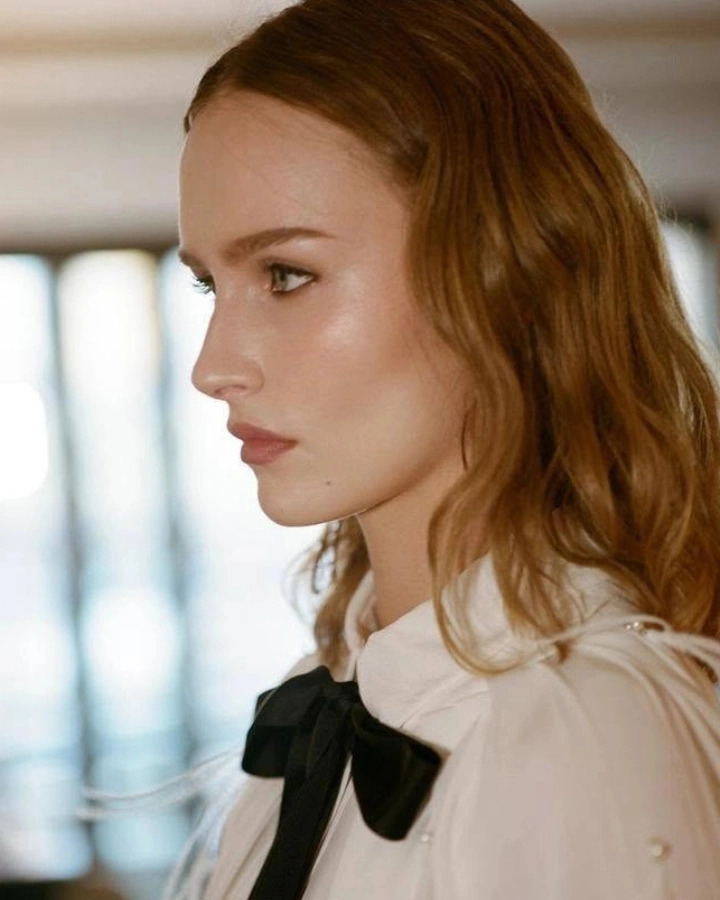
Lesser-Known Facts About Olivia DeJonge
Olivia DeJonge’s career contains several details that are easily overlooked when her biography is reduced to her “Elvis” role. She was born in Melbourne but spent much of her childhood in Perth after her family moved there when she was five.
Her professional career began surprisingly early, with radio voiceover work becoming one of her first forms of paid entertainment work. She was only around eight years old when she began recording advertising material, and those early assignments introduced her to professional performance long before she became a feature-film actress.
Her first major acting recognition came through the short film “Good Pretender”, which earned her Best Actress recognition at the Western Australian Screen Awards. She subsequently developed an international career while still young, including travelling to the United States for auditions.
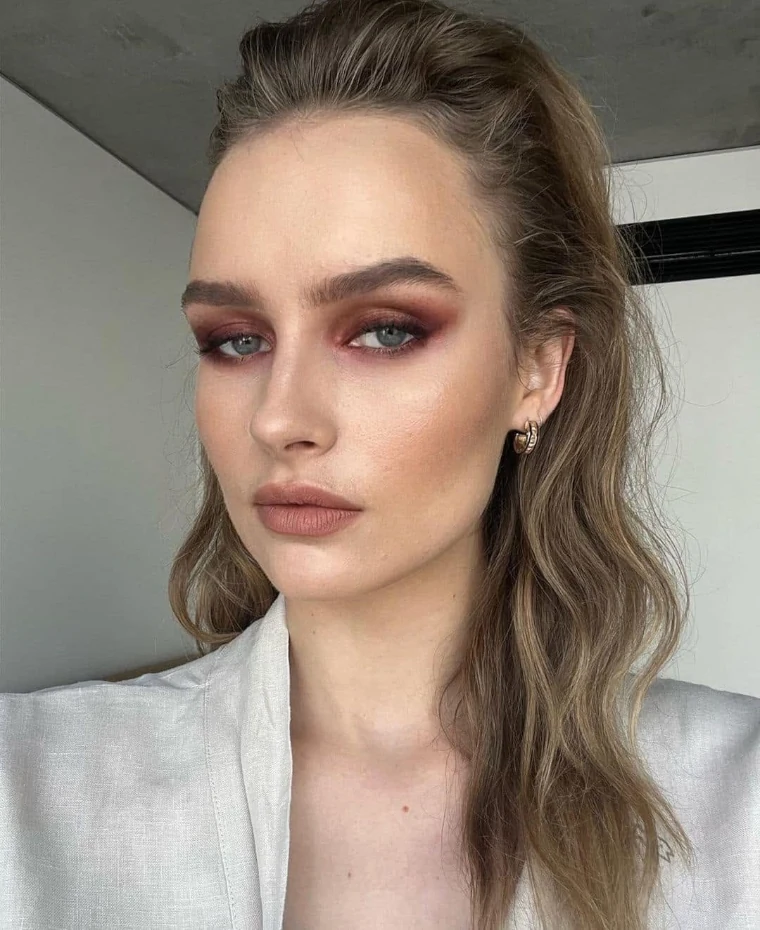
Her early feature work in “The Sisterhood of Night” was followed by “The Visit”, which placed her opposite Ed Oxenbould and under the direction of M. Night Shyamalan. She later worked in a variety of genres, including the Christmas thriller “Better Watch Out”, the period series “Will” and Netflix’s “The Society”.
Another interesting aspect of her career is the diversity of directors and performers with whom she has worked. She has collaborated with filmmakers such as M. Night Shyamalan and Baz Luhrmann and appeared alongside actors including Austin Butler, Tom Hanks, Toni Collette and Colin Firth. Her role as Priscilla Presley remains the most widely recognised performance in her career, but her work before and after “Elvis” shows that her ambitions extend well beyond a single famous character.
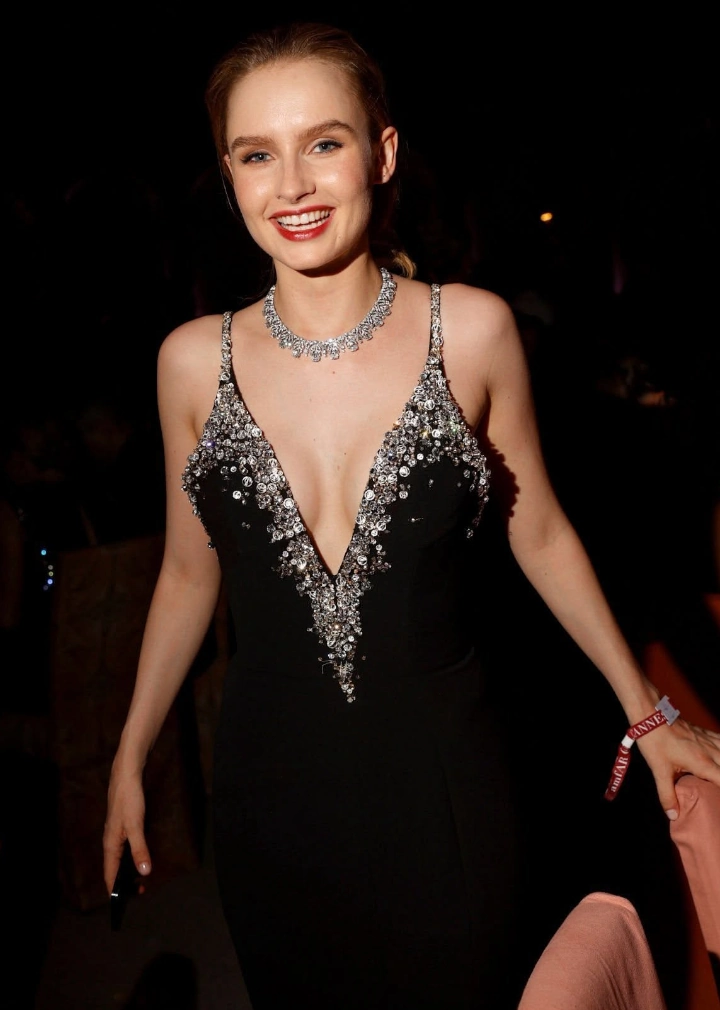
Lesser-Known Facts About Olivia DeJonge – (Point wise)
- She was born in Melbourne but was raised primarily in Perth.
- She began performing professionally while still a child.
- Her early work included radio voiceovers and advertisements.
- She was around eight when she began doing radio advertising work.
- Her short-film performance in “Good Pretender” brought her early acting recognition.
- She attended Presbyterian Ladies’ College in Perth.
- Her teenage years involved balancing schoolwork with auditions and filming.
- She travelled to the United States for auditions while still a student.
- Her feature-film debut was “The Sisterhood of Night”.
- She worked with M. Night Shyamalan in “The Visit”.
- She later worked with Baz Luhrmann in “Elvis”.
- Her portrayal of Priscilla Presley earned her an AACTA Award.
- She has worked in both Australian and American productions.
- Her filmography includes horror, thriller, period drama, young-adult television, true crime and biographical drama.
- IMDb lists her as fluent in English and French.
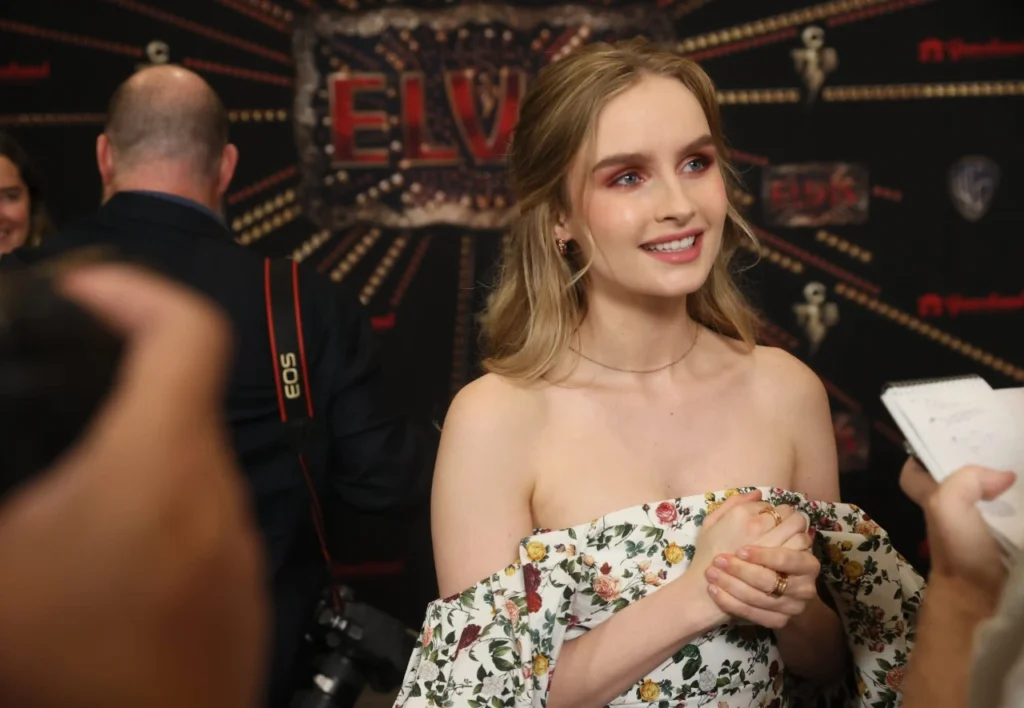
Olivia DeJonge Career Timeline
- 1998: Olivia DeJonge is born in Melbourne, Victoria, Australia.
- 2003: Moves with her family to Perth, Western Australia, at the age of five.
- Childhood: Begins working in radio voiceovers and advertising.
- 2010: Appears in “Good Pretender” and receives early acting recognition.
- 2014: “The Sisterhood of Night” premieres, marking her feature-film debut.
- 2015: Appears in Australian television drama “Hiding” and gains international exposure through “The Visit”.
- 2016: Appears in “Scare Campaign” and “Better Watch Out”.
- 2017: Plays Alice Burbage in TNT’s “Will”.
- 2018: Continues working in independent film, including “Undertow”.
- 2019: Appears in “Stray Dolls”, “Josie & Jack” and Netflix’s “The Society”.
- 2022: Plays Priscilla Presley in Baz Luhrmann’s “Elvis”.
- 2022: Wins the AACTA Award for Best Supporting Actress in Film for “Elvis”.
- 2022: Appears as Caitlin Atwater in “The Staircase”.
- 2025: Appears as Ella in “The Narrow Road to the Deep North”.
- 2026: Continues her professional career as an Australian actress working across film and television.

Olivia DeJonge’s Career Legacy and Future
Olivia DeJonge’s career is remarkable not because she experienced one sudden moment of fame, but because she has steadily built a professional identity through a wide variety of roles. Beginning with radio advertising and short films, she gradually moved into Australian television, American feature films, independent cinema and international streaming productions. Each stage added something different to her professional experience.
Her portrayal of Priscilla Presley in “Elvis” remains the defining achievement of her career. The role placed her alongside one of the most celebrated young actors of her generation, under the direction of one of Australia’s most internationally recognised filmmakers, in a film about one of the most influential entertainers in modern history. More importantly, she transformed what could easily have become a supporting historical role into a character with emotional significance. The AACTA Award confirmed that achievement.
Yet her career should not be defined entirely by “Elvis”. Her work in “The Visit”, “Better Watch Out”, “The Society”, “The Staircase” and “The Narrow Road to the Deep North” reveals an actress who continues to seek different challenges. She has already moved from child performer to teenage screen actress and then into increasingly mature adult roles.

At 28, DeJonge remains at an exciting stage of her professional life. She already has more than a decade of screen experience, an internationally recognised film credit and a major acting award, but she is still young enough to explore an enormous range of characters and filmmaking environments. Her career trajectory suggests that the next phase may be less about proving that she can act and more about determining exactly what kind of performer she ultimately wants to become.
The most compelling part of Olivia DeJonge’s story may therefore be that her career is still evolving. From Melbourne to Perth, from radio advertisements to international cinema, from “Good Pretender” to “The Visit”, “The Society” and finally “Elvis”, her professional journey has been built through persistence rather than instant celebrity. Her success demonstrates that a lasting acting career can be constructed gradually, with every role adding another layer of experience.
Olivia DeJonge is no longer simply the young Australian actress who landed an important Hollywood role. She is an award-winning performer with an increasingly diverse body of work, and her journey from childhood acting to international recognition remains one of the more intriguing stories among Australia’s contemporary screen talents.
Frequently Asked Questions About Olivia DeJonge
Conclusion
Olivia DeJonge’s biography is ultimately a story about gradual growth. She began as a child performer in Perth, working on radio advertisements and developing her confidence in front of microphones and cameras.
Her early recognition through “Good Pretender” led to television and film opportunities, while “The Visit” introduced her to a much wider international audience. From there, she continued taking on challenging roles in projects such as “Better Watch Out”, “Will”, “The Society” and “The Staircase”, each adding a different dimension to her growing body of work.
The portrayal of Priscilla Presley in “Elvis” was the defining breakthrough. Under Baz Luhrmann’s direction, DeJonge managed to give emotional substance to a historical figure whose life is closely associated with one of the most famous musicians in history.
Her chemistry with Austin Butler and the quiet emotional strength of her performance helped her stand out within a spectacular production. Winning the AACTA Award for Best Supporting Actress confirmed the importance of the achievement and represented a significant milestone for an actress who had begun working professionally as a child.
What makes DeJonge’s career especially promising is that she has continued to evolve rather than allowing one successful role to define her. Her subsequent work, including “The Staircase” and “The Narrow Road to the Deep North”, points toward an actress increasingly interested in mature, emotionally complex storytelling.
With a career already spanning Australian television, Hollywood films, independent cinema and global streaming productions, Olivia DeJonge has established a foundation that could support many more chapters.
Her journey from Melbourne and Perth to international cinema is therefore more than a conventional success story. It is a reminder that lasting careers are often built through years of preparation, experimentation and persistence.
Olivia DeJonge entered the entertainment industry young, but she has continued to reinvent herself as she has matured. At 28, she already has an award-winning performance behind her and, perhaps more importantly, a career that still has considerable room to grow.

Sources & Further Reading
- Olivia DeJonge — Wikipedia
- Olivia DeJonge — IMDb
- Olivia DeJonge — IMDb Biography
- Olivia DeJonge — Rotten Tomatoes
- Olivia DeJonge — Instagram
- Screen Australia — Good Pretender
- AACTA — 2022 Awards Winners
- British Vogue — Olivia DeJonge on Elvis
- The West Australian — Olivia DeJonge’s early career
Image Sources
Loved discovering Olivia DeJonge’s journey from a Perth schoolgirl to an AACTA-winning actress? Explore more detailed celebrity biographies, career timelines, filmographies and the fascinating personal stories behind today’s most recognised actors.
Editorial Note: I deliberately have not converted internet rumours about Olivia DeJonge’s alleged relationships into facts. That distinction will make the finished biography more credible and trustworthy than many competing celebrity-bio pages. Her documented professional record is strong enough that the article does not need sensationalised personal claims to remain interesting.
For more information, you can visit our website: Histarz
Latest Posts
- Başak Gümülcinelioğlu (Turkish Actress, Singer, Architect, & Theatre Performer) Age, Biography, Boyfriend, Marriage, Husband, Family, Model, Children, Career, Early Life, Education, Net Worth, Life Stories & More

- Anushka Pimputkar (Marathi Film & Television Actress, Model & Entrepreneur) Age, Biography, Boyfriend, Marriage, Husband, Family, Model, Children, Career, Early Life, Education, Net Worth, Life Stories & More
- Alice Wegmann (Brazilian Actress & Model) Age, Biography, Boyfriend, Marriage, Husband, Family, Model, Children, Career, Early Life, Education, Net Worth, Life Stories & More
- Lulu Tenney (American Fashion Model) Age, Biography, Boyfriend, Marriage, Husband, Family, Model, Children, Career, Early Life, Education, Net Worth, Life Stories & More
- Shakira Khan (British Television Personality and Model) Age, Biography, Boyfriend, Marriage, Husband, Family, Model, Children, Career, Early Life, Education, Net Worth, Life Stories & More
- Toni Laites (American Television Personality and Model) Age, Biography, Boyfriend, Marriage, Husband, Family, Model, Children, Career, Early Life, Education, Net Worth, Life Stories & More