

Manasi Parekh — Quick Info
- Full Name: Manasi Parekh Gohil
- Date of Birth: July 10, 1986
- Profession: Actress, Singer and Producer
- Education: B.A. in English Literature
- Years Active: 2004–Present
- Known For: Gulaal, Sumit Sambhal Lega and Kutch Express
- National Award: Best Actress for Kutch Express (2024)
- Spouse: Parthiv Gohil

| Manasi Parekh – Biography | |
| Name | MANASI PAREKH |
| Full name | Manasi Parekh Gohil |
| Date of Birth | July 10, 1986 |
| Age (as of 2026) | 40 years |
| Birthplace | Ahmedabad is listed by IMDb; Wikipedia lists Mumbai; Parekh has described herself as born and brought up in Mumbai |
| Cultural Roots | Gujarati heritage |
| Father | Mahesh Parekh |
| Mother | Manisha Parekh |
| Nationality | Indian |
| Schooling | J. B. Vachha High School, Mumbai |
| College | St. Xavier’s College, Mumbai |
| Education Qualification | Bachelor of Arts (B.A.) in English Literature |
| Marital Status | Married to singer and performer Parthiv Gohil since 2008 |
| Children | One daughter, Nirvi Gohil |
| Profession | Actress, singer, producer, and theatre artist known for her work across Hindi and Gujarati entertainment |
| Known For | Gulaal, Sumit Sambhal Lega, Uri: The Surgical Strike, and the National Award-winning Gujarati film Kutch Express |
| Best Known For | Her National Film Award-winning performance as Monghi in the Gujarati film Kutch Express |
| Industry | Indian entertainment industry, with prominent work in Hindi and Gujarati television, cinema, theatre, and music |
| Breakthrough Recognition | Her National Film Award for Best Actress for Kutch Express in 2024 marked the biggest recognition of her career |
| Net Worth | Her exact net worth is not publicly verified; online estimates vary and should be treated as approximate |
| Social Media Presence | Active on social media, where she shares updates about her films, music, Gujarati cinema, professional projects, and personal moments |
| Social Media Links | Instagram & Facebook |

Manasi Parekh Biography: From Television Favourite to National Award-Winning Star of Gujarati Cinema
“From the television screen to the National Film Awards stage, Manasi Parekh has built a career on talent, versatility and an unmistakable Gujarati soul”
Detailed Article Summary
Manasi Parekh has built a career that is far more expansive than the conventional journey of a television actress. Over the course of more than two decades, she has established herself as an “actress, singer, producer and content creator”, moving confidently between Hindi television, Gujarati cinema, theatre, music and film production.
From her early days as a young performer with a natural inclination towards music and acting to becoming a “National Film Award-winning actress”, Parekh’s journey reflects persistence, versatility and a willingness to repeatedly step outside her comfort zone. Her story is particularly compelling because her biggest professional recognition came after years of sustained work rather than as an overnight breakthrough.

Born on 10 July 1986, Manasi Parekh has strong Gujarati roots and was raised in Mumbai. Although publicly available sources differ regarding her exact birthplace, her association with both Mumbai and Gujarat has remained an important part of her identity. From her school years, Parekh showed an interest in music and performance, eventually receiving training in Hindustani classical music.
Her early participation in Channel V’s “Popstars” Season 2 gave her an initial taste of the entertainment industry before she formally entered television with “Kitni Mast Hai Zindagi” in 2004. Her subsequent appearance in “India Calling” helped her gain greater visibility and laid the foundation for a career that would soon encompass some of Indian television’s memorable character-driven shows.

Television remained an important stepping stone in “Manasi Parekh’s career”, with her performances in “Gulaal” and “Sumit Sambhal Lega” becoming especially associated with her name. While “Gulaal” gave her the opportunity to portray a more emotionally layered central character, “Sumit Sambhal Lega” brought out her comic timing and ability to handle the rhythm of a family sitcom.
At the same time, Parekh never abandoned her passion for music. Her classical training eventually led her to participate in Zee TV’s singing reality show “Star Ya Rockstar”, which she won in 2011. This achievement established that singing was not simply an extension of her acting career but a serious artistic pursuit in its own right.

The next stage of “Manasi Parekh’s biography” was defined by experimentation. She ventured into theatre, appeared in Tamil cinema with “Leelai”, and subsequently made her Bollywood film debut with “Uri: The Surgical Strike“. Rather than limiting herself to acting, she gradually became interested in the creative and business side of filmmaking as well.
Her transition into Gujarati cinema proved particularly significant, beginning with “Golkeri” and continuing with films such as Dear Father, Congratulations, Jhamkudi and, most importantly, “Kutch Express”. Her decision to work in Gujarati cinema was closely connected to her personal cultural roots, while her experience as a producer gave her greater control over the kinds of stories and characters she wanted to support.

The defining achievement of Parekh’s career came with “Kutch Express”, in which she played ‘Monghi’ and also worked as a producer alongside her husband, Parthiv Gohil. Her performance earned her the “National Film Award for Best Actress in a Leading Role at the 70th National Film Awards”, which she shared with ‘Nithya Menen’ for “Thiruchitrambalam”.
The Government of India’s official announcement confirms Parekh’s recognition for “Kutch Express”, while the award citation recognised the depth of her portrayal. For Parekh, the honour represented not only individual acting recognition but also a significant moment for Gujarati cinema. She has subsequently spoken about wanting regional films to reach wider audiences across India and about using her position as a producer to support stronger female-led narratives.

In the years following her National Award win, “Manasi Parekh has continued to broaden her professional portfolio” rather than allowing the accolade to define her entire career. She has worked across genres, including the horror-comedy “Jhamkudi”, and has taken on projects such as Shubhchintak, Maharani and Misri.
In interviews, she has spoken candidly about career highs and lows, motherhood, the realities of producing films and her determination to create better opportunities for women in Gujarati cinema. Her 2025 Filmfare conversation, in particular, revealed an actress who sees the National Award not as an endpoint but as encouragement to take greater creative risks.

Manasi Parekh’s personal and professional lives are also closely connected with “music and family”. She is married to singer and musician ‘Parthiv Gohil’, and the couple have a daughter, ‘Nirvi’. Parekh has spoken openly about balancing motherhood with a demanding entertainment career and about remaining actively involved in her daughter’s upbringing despite her professional commitments.
Her relationship with Gohil is also a creative partnership, with the two having worked together in music and production. In a 2024 interview with India Today following her National Award win, Parekh described the achievement as an extraordinarily emotional moment and compared the feeling to the joy she experienced when her daughter was born.

Today, “Manasi Parekh’s biography represents the evolution of a performer into a multifaceted creative professional”. She has moved from television to cinema, from acting to singing, and from appearing in stories to helping create them as a producer. Her National Award-winning performance in “Kutch Express” has given her career a prestigious national milestone, while her continuing involvement with Gujarati cinema has positioned her as one of the prominent contemporary voices championing regional storytelling.
Her participation in taking Gujarati cinema to the Cannes market in 2026 further reflects the direction of her ambitions: to see Gujarati stories reach audiences beyond their traditional geographical and linguistic boundaries.

Her journey, however, has not been completely free of difficult moments or public scrutiny. In 2025, Parekh was involved in controversy after a promotional motorcycle stunt for “Misri” attracted criticism and resulted in police action in Ahmedabad.
More recently, in August 2026, she made headlines after safely returning from a difficult trip through the Nepal-Tibet region amid flooding and landslides, later speaking publicly about the experience and an episode of acute mountain sickness. These incidents have added newer dimensions to her public profile, but they remain only small chapters in a career primarily defined by artistic work.

Ultimately, “Manasi Parekh’s story is one of patience, reinvention and creative independence”. She spent years building credibility through television and music before finding a particularly strong artistic home in Gujarati cinema.
Her journey from “Kitni Mast Hai Zindagi” and “India Calling” to “Gulaal”, “Sumit Sambhal Lega”, “Uri: The Surgical Strike” and finally “Kutch Express” illustrates how a performer can continually redefine herself without abandoning the foundations of her career.
With acting, singing and production continuing to form the three major pillars of her professional identity, Manasi Parekh’s story remains an evolving one—and her National Award appears less like the conclusion of that story than the beginning of its most ambitious chapter.

Manasi Parekh Biography: The Journey from Television’s Beloved Actress to a National Award-Winning Gujarati Cinema Star
“From a young performer with a passion for music to one of Gujarati cinema’s most recognised contemporary faces, Manasi Parekh’s story is one of reinvention, resilience and creative ambition”
Introduction
“From television’s familiar face to a National Film Award-winning performer, Manasi Parekh has created a remarkable place for herself in Indian entertainment through talent, versatility and an enduring connection with her Gujarati roots”.
An actress, singer, producer and content creator, Manasi Parekh has spent more than two decades exploring different sides of the performing arts. She first became recognised through Hindi television, where shows such as India Calling, Gulaal and Sumit Sambhal Lega established her as a versatile performer. Over the years, she expanded her career into music, theatre, Tamil and Hindi cinema, digital content and film production, eventually emerging as one of the prominent contemporary faces of Gujarati cinema.

Born on 10 July 1986, Manasi Parekh grew up in Mumbai while maintaining a strong cultural connection with Gujarat. Her interest in music and acting developed at an early age, and she eventually received training in Hindustani classical music. Before making her acting debut, she participated in Channel V’s “Popstars” Season 2, an experience that introduced her to the professional entertainment environment.
She subsequently entered television with “Kitni Mast Hai Zindagi” in 2004 and gradually built her reputation through a series of television appearances. Her portrayal of ‘Gulaal’ in “Zindagi Ka Har Rang…Gulaal” became one of her early career-defining performances, while her role as ‘Maya Walia’ in “Sumit Sambhal Lega” showcased her natural comic timing and brought her to an even wider audience.

Music has remained an equally important part of “Manasi Parekh’s career and personal identity”. Her abilities as a singer were highlighted when she participated in Zee TV’s reality singing competition “Star Ya Rockstar”, which she went on to win. Her artistic journey later took her beyond television, with appearances in theatre and films, including the Tamil movie “Leelai” and the Hindi blockbuster “Uri: The Surgical Strike”.
However, Gujarati cinema eventually became the most defining phase of her career. Following her Gujarati film debut with “Golkeri”, she appeared in projects such as “Dear Father” and “Congratulations” before taking on the role of ‘Monghi’ in “Kutch Express”. The film represented an important turning point because Parekh was not only its leading performer but was also involved in its production.

Her nuanced performance earned her the “National Film Award for Best Actress in a Leading Role in 2024”, shared with ‘Nithya Menen’, placing her among the most celebrated actresses in contemporary Indian regional cinema.
Away from the screen, “Manasi Parekh’s personal life, marriage, motherhood and creative partnerships” have also contributed to the story behind the public figure. She is married to singer and musician ‘Parthiv Gohil’, and the couple have a daughter, ‘Nirvi’. Parekh and Gohil have collaborated professionally as well, particularly through music and production, and are associated with Soul Sutra Studios.

Her growing involvement in production has allowed Parekh to take a more active role in developing stories, particularly narratives that place women and their experiences at the centre.
Today, her journey encompasses acting, singing, production and content creation, while her continued work in Gujarati cinema reflects her desire to take regional stories to audiences beyond Gujarat. From her television beginnings to her National Award-winning performance in “Kutch Express”, Manasi Parekh’s career is ultimately a story of “reinvention, perseverance and an artist’s determination to keep discovering new creative possibilities”.

Manasi Parekh: Personal Details at a Glance
| Particular | Details |
| Full Name | Manasi Parekh Gohil |
| Known Profession | Actress, singer, producer and content creator |
| Date of Birth | 10 July 1986 |
| Age | 40 years as of September 2026 |
| Birthplace | Ahmedabad is listed by IMDb; Wikipedia lists Mumbai; Parekh has described herself as born and brought up in Mumbai |
| Cultural Roots | Gujarati |
| Hometown | Ahmedabad/Gujarat and Mumbai are associated with her family and upbringing |
| Education | B.A. in English Literature |
| School | J. B. Vachha High School, Mumbai |
| College | St. Xavier’s College, Mumbai |
| Years Active | 2004–present |
| Husband | Parthiv Gohil |
| Marriage | 2008 |
| Children | One daughter |
| Parents | Mahesh Parekh and Manisha Parekh |
| Major Television Roles | Gulaal, Maya Walia |
| Major Films | Kutch Express, Golkeri, Uri: The Surgical Strike, Jhamkudi, & Misri |
| National Award | Best Actress in a Leading Role, 2024 |
| Award-Winning Film | Kutch Express |
| Production Venture | Soul Sutra Studios |

Early Life and Family
“Manasi Parekh’s early life was shaped by a close-knit Gujarati family, a strong connection with Mumbai and an enthusiasm for music and performing arts that became evident from a young age”.
Born on 10 July 1986, Parekh has consistently described herself as being born and brought up in Mumbai, even though some entertainment databases identify Ahmedabad, Gujarat, as her birthplace. What is much clearer is the strength of her Gujarati roots.

In an interview with The Times of India, Parekh spoke about how growing up in Mumbai never weakened her cultural connection with Gujarat. She described herself as a proud Gujarati and recalled being deeply influenced by Gujarati music and traditions while growing up.
Parekh was raised in a family where “education, work and cultural traditions were given considerable importance”. Her father, ‘Mahesh Parekh’, is described in Gujarati media as a diamond merchant, while her mother, ‘Manisha Parekh’, has worked as a tuition teacher for several decades. Parekh has recalled that both her parents were working professionals and that her mother was particularly supportive of her early interest in performance.

Even when Manasi was still at school and beginning to participate in shows, her mother would reportedly finish her teaching commitments and accompany her to performances. That support became an important part of the young actress’s formative years and gave her the confidence to pursue a demanding career in the performing arts.
Her childhood in Mumbai also remained closely connected with “Gujarati family traditions and festivals”. In an interview about her Diwali memories, Parekh recalled how her family home in Wadala would become crowded with cousins, neighbourhood children and relatives during the festive season.

Also Read Detailed Biographies of
Twinkal Yadav | Chef Tejasvi Chandela | Suruchi Adarkar | Olivia DeJonge | Josephine Langford | April Rose Pengilly | Adriana Lima | Jess Davies | Amanda Abizaid | Laura Anderson | Hazal Kaya | Gargi Raut | Bella Hadid | Ayushi Shekhawat | Aubri Ibrag | Julia Nobis | Khushi Mali | Puja Bharadwaj | Teresa Palmer | Piper Rockelle
She remembered elaborate family celebrations, including a long-standing Dhanteras tradition at her parents’ home, where her mother prepared large quantities of traditional Gujarati food such as undhiyu, while dishes including puri, shrikhand, mohanthal, cholafali and ghughra were part of the celebrations.
Parekh has continued many of these traditions with her own family, particularly with her daughter Nirvi, making cultural heritage an important link between her childhood and her life as a mother.

Music and performance were particularly significant during Manasi Parekh’s formative years. She developed a love for singing while still young and went on to pursue formal training in classical music.
In later interviews, she revealed that she had completed her ‘Visharad’ in classical music and that becoming a singer was one of her childhood ambitions. Her early interest in performance eventually led her towards competitions, auditions and television, setting the stage for the professional career that followed.

Interestingly, when asked in an early interview what she would have become if she had not chosen acting, Parekh herself answered that she would have been a singer. This lifelong connection with music later became an important part of her professional identity, particularly through her victory in “Star Ya Rockstar” and her musical collaborations with her husband, ‘Parthiv Gohil’.
Academically, Manasi Parekh studied at ‘J. B. Vachha High School’ in Mumbai before attending ‘St. Xavier’s College’, where she pursued English Literature and completed her bachelor’s degree. Her educational background gave her an exposure to literature and storytelling that complemented her natural inclination towards performance.

Even during her student years, she was drawn towards stage activities and entertainment, eventually participating in Channel V’s “Popstars” Season 2. That experience became one of the earliest stepping stones towards her professional career and helped her understand the demands of the entertainment industry before she made her acting debut in “Kitni Mast Hai Zindagi” in 2004.
Family has continued to occupy a central place in Parekh’s life even after she entered the entertainment industry. Her marriage to “singer and musician Parthiv Gohil” in 2008 brought together two people with strong musical and artistic backgrounds, and their relationship has subsequently developed into a professional partnership as well.

The couple have a daughter, ‘Nirvi’, and Parekh has spoken openly about how important it has been for her to remain involved in her daughter’s upbringing while continuing to pursue an active career.
In a 2024 interview, she explained that ‘Nirvi’ had grown up accompanying her parents to performances and shoots, while Parekh remained conscious of giving her a humble and grounded upbringing. She also credited Parthiv with sharing parenting responsibilities and supporting her decision to continue working after becoming a mother.

Looking back at Manasi Parekh’s early life and family background, it becomes evident that her later success did not emerge in isolation. Her parents’ encouragement, her Mumbai upbringing, Gujarati cultural roots, academic education and early exposure to music all contributed to the personality of the performer she eventually became. Perhaps most importantly, her childhood gave her the freedom to explore different forms of creativity.
That early foundation helps explain why Parekh has never been comfortable being defined by a single profession: she has gone on to become an actress, singer, theatre performer, producer and content creator, carrying many of the values and cultural influences of her early years into each stage of her evolving career.

Education
Manasi Parekh’s educational background was shaped in Mumbai, where she completed her schooling before moving into higher education and eventually pursuing a career in the performing arts.
She studied at ‘J. B. Vachha High School’ in Mumbai, an institution with a long-established academic and cultural tradition. Her school years were also important in nurturing her interest in music and performance. Parekh was actively drawn towards stage activities from a young age, and this early exposure helped give her the confidence to pursue the entertainment industry professionally.
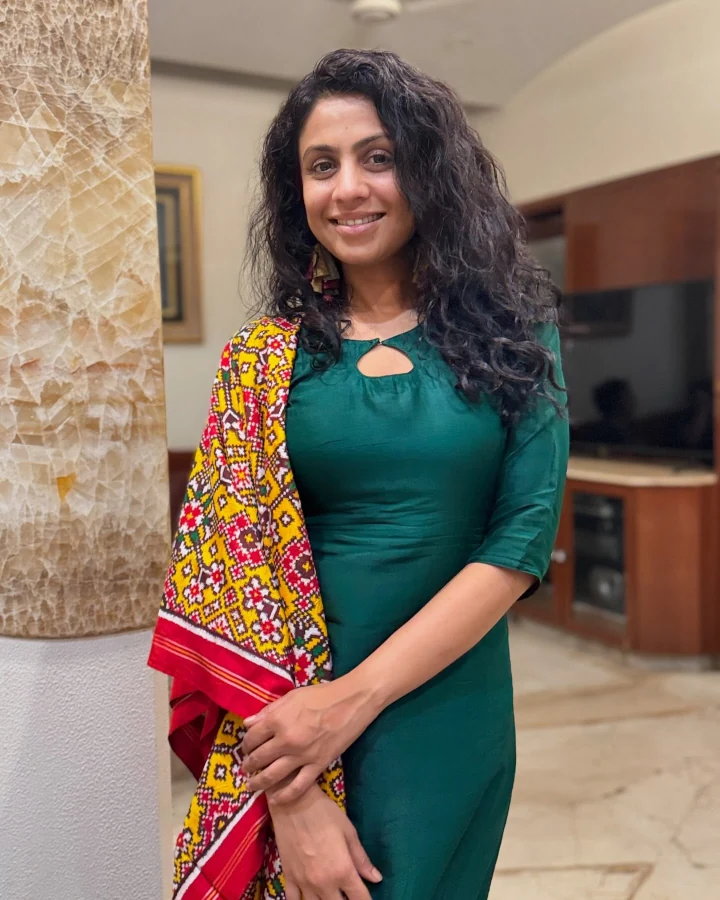
After completing her schooling, Manasi Parekh attended ‘St. Xavier’s College’, Mumbai, where she pursued a ‘Bachelor of Arts degree in English Literature’. Her choice of English Literature gave her an academic grounding in language, storytelling, interpretation and creative expression—areas that would later complement her work as an actress, singer, producer and content creator.
Although her professional career eventually took her away from a conventional academic path, her education remained an important part of the foundation on which she developed her communication skills and creative sensibilities. Her journey from studying literature at one of Mumbai’s prominent colleges to becoming a National Film Award-winning actress also reflects the diverse interests that have characterised her career from the very beginning.

How Manasi Parekh Entered the Entertainment Industry
“Manasi Parekh’s entry into the entertainment industry was not originally the result of a carefully planned ambition to become an actress”.
In fact, music was her first love, and she had already developed herself as a singer before acting entered her life. During her college years, when she was studying at St. Xavier’s College in Mumbai, an audition opportunity organised by Ekta Kapoor for “Kitni Mast Hai Zindagi” caught her attention.

Parekh later recalled that she auditioned largely with a “let’s see what happens” attitude rather than with the expectation that it would become the beginning of a two-decade-long acting career. She was eventually selected from a nationwide group of six candidates, giving her first professional break in television.
Before that television opportunity, Parekh had already taken her first steps towards the entertainment world through music and performance. She participated in “Channel V’s ‘Popstars’ Season 2 in 2003”, where she became one of the finalists.

The experience introduced her to auditions, cameras, stage performance and the competitive nature of the entertainment business. Interestingly, an early interview with ‘Mid-Day’ recorded Parekh explaining that she was already involved in professional singing and that acting came into her life after she participated in the MTV talent hunt. At the time, she was even taking her guitar to television sets and maintaining her morning ‘riyaz’, a routine that reflected how seriously she regarded music.
Her breakthrough acting opportunity came with “Kitni Mast Hai Zindagi”, a youth-oriented television series produced by Balaji Telefilms for MTV India. Parekh played Rashmi in the series, which aired from 2004 to 2005. Looking back, the role was much more than simply another television credit: it gave the young performer her first sustained experience of working professionally in front of a camera.

Parekh herself later explained that Balaji Telefilms had organised a talent hunt and that she was selected through that process. Her transition from a singer hoping to explore performance into a working television actress was therefore relatively organic—the audition opened a door, and her subsequent performances encouraged her to keep walking through it.
The early success of “Kitni Mast Hai Zindagi” quickly led to further opportunities. Parekh appeared in shows such as “Kaisa Ye Pyar Hai” and “Kasautii Zindagii Kay” before taking on the central role of ‘Chandni’ in “India Calling”. Her work in “India Calling” was particularly important because it helped establish her as a recognisable television performer rather than simply a newcomer who had landed an early role.

She subsequently explored a variety of characters and formats, including Kkavyanjali, Aahat, Four and Remote Control, before playing the title role in “Zindagi Ka Har Rang…Gulaal”. This period established the versatility that would become one of the defining features of her career.
What is especially interesting about Manasi Parekh’s early career is that she never allowed acting to completely overshadow her musical identity. Even while establishing herself on television, she continued to regard herself as a singer and actively pursued opportunities in music.

In 2011, that side of her personality received its own major recognition when she participated in Zee TV’s singing reality show “Star Ya Rockstar” and emerged as the winner. Her subsequent work in theatre, music, advertising, television and cinema demonstrated the same willingness to experiment that had characterised her beginnings.
In a later interview, Parekh explained that she had always been open to experimentation and had deliberately avoided slotting herself into one category—a philosophy that helps explain how she eventually moved from television into Bollywood, Gujarati cinema and film production.

Her decision to keep experimenting became particularly important as her television career matured. After “Sumit Sambhal Lega” ended in 2016, Parekh consciously stepped away from regular fiction television rather than accepting projects simply for the sake of remaining visible.
In a 2022 interview, she explained that although she continued to believe in the power of television, she did not find much of the contemporary fiction content personally appealing and wanted to wait for projects that matched the quality of work she had previously done. Around the same period, she entered films, including “Uri: The Surgical Strike”, and began focusing increasingly on Gujarati cinema and production.

In many ways, “Manasi Parekh’s entry into the entertainment industry set the pattern for the rest of her career”. She entered through an audition rather than a conventional film launch, began with television despite originally identifying more strongly as a singer, and then gradually expanded into different creative disciplines.
Her early years taught her the discipline of television, while music kept her connected to live performance and her Gujarati cultural roots. Those experiences ultimately helped prepare her for the much broader career she would later build as an actress, singer, producer and content creator—and eventually for the National Film Award-winning performance in “Kutch Express”.

Manasi Parekh’s Television Career
“Television was the foundation on which Manasi Parekh built her career in the Indian Entertainment Industry”.
After making her acting debut with “Kitni Mast Hai Zindagi” in 2004, she gradually became a familiar face on Indian television through a succession of roles across different genres.
Her early work included appearances in shows such as Kaisa Ye Pyar Hai, Kasautii Zindagii Kay, Kkavyanjali, Aahat, Four, Remote Control and Saat Phere: Saloni Ka Safar. Rather than being associated with one particular type of character, Parekh used these early assignments to explore different shades of performance and gain valuable experience in the demanding environment of daily television.
Her role as ‘Chandini’ in “India Calling” in 2005–06 was particularly significant, as the show helped her gain greater recognition and establish herself as a promising young television actress.

A major milestone in Manasi Parekh’s television career arrived with “Zindagi Ka Har Rang…Gulaal”, in which she played the title character, ‘Gulaal’. The Star Plus drama gave her the opportunity to move beyond the lighter and supporting parts she had undertaken earlier and portray a central character with greater emotional depth. Her performance brought her considerable visibility and eventually became one of the roles with which audiences most strongly associated her.
Even after “Gulaal”, Parekh continued making appearances across popular television programmes, including Jhalak Dikhhla Jaa 4, Yeh Rishta Kya Kehlata Hai, Mann Kee Awaaz Pratigya, Sasural Genda Phool, Iss Pyaar Ko Kya Naam Doon? and Kuch Toh Log Kahenge. Her willingness to make guest appearances and experiment with different formats demonstrated that she was keen to keep her television journey varied rather than becoming dependent on one successful character.

Interestingly, “music remained closely intertwined with Manasi Parekh’s television journey”. In 2011, she participated in Zee TV’s singing reality show “Star Ya Rockstar” and emerged as the winner. The victory was an important reminder that her talents extended well beyond acting. Around the same period, she continued to make television appearances, including cameo and guest roles, while also exploring theatre, music and other creative opportunities.
This period of her career was therefore less about following a conventional television trajectory and more about gradually establishing herself as a multidisciplinary performer. Her later interviews have repeatedly reflected this preference for experimentation, with Parekh moving between acting, singing, theatre, digital content and eventually film production.

After spending several years away from daily television, Parekh made a much-anticipated return to the small screen with “Sumit Sambhal Lega” in 2015. She played ‘Maya Walia’, the wife of the titular character and a mother of two children. The series was the Indian adaptation of the internationally popular sitcom “Everybody Loves Raymond”, and Parekh has explained that she was particularly excited about the project because she had been a fan of the original series since her college days.
The production involved workshops and rehearsals before filming began, allowing the cast to develop the rhythm and chemistry required for a sitcom. Parekh described Maya as a homemaker who had previously worked as a copywriter, a woman who was outspoken, independent-minded and unafraid to express her opinions within her family.

Her performance as ‘Maya’ in “Sumit Sambhal Lega” became another important highlight of her television career. The role demanded a very different acting approach from Gulaal: instead of relying primarily on dramatic emotion, Parekh had to work with timing, expressions, dialogue delivery and the fast-paced rhythm of comedy.
The character was strong-willed and frequently found herself navigating amusing conflicts with her husband and in-laws, giving Parekh ample opportunity to display her comic abilities. The show also earned her recognition at the Indian Telly Awards, where she was honoured for her performance in a supporting comic role. Parekh later described “Sumit Sambhal Lega” as one of the most exceptional television projects she had been part of.

Following ‘Sumit Sambhal Lega’, however, “Manasi Parekh deliberately became selective about returning to television”. Rather than accepting another long-running daily soap simply to remain visible, she chose to concentrate on projects that offered her stronger characters and greater creative satisfaction.
In a 2023 interview with The Times of India, she explained that she had been away from television for several years while exploring Gujarati films and web projects, and that she believed the opportunities available in films and OTT were offering actors greater room for experimentation.

Parekh was even more candid about her television choices in a 2024 interview with India Today. She said that “Sumit Sambhal Lega” had set a very high standard for her and that she would consider returning to television only if a project matched that level of quality.
She also expressed her view that the traditional television industry had become constrained by the commercial pressure to extend successful shows, whereas OTT platforms had created more opportunities for deeper characters, finite stories and experimentation. Her comments help explain why her television appearances became less frequent even as her overall career continued to grow.

Looking at “Manasi Parekh’s television career as a whole”, it becomes clear that television was not merely the medium that made her famous—it was the training ground that helped shape the performer she would eventually become. From the ‘young Rashmi’ in “Kitni Mast Hai Zindagi’ and ‘Chandini’ in “India Calling” to the emotionally demanding “Gulaal” and the witty, outspoken ‘Maya Walia’ in “Sumit Sambhal Lega”, she demonstrated an ability to move comfortably between genres and character types.
Her eventual decision to step away from regular television was not a withdrawal from acting but a conscious attempt to seek more challenging work in films, Gujarati cinema and digital entertainment. In that sense, “Manasi Parekh’s television journey laid the groundwork for her later transformation into a National Film Award-winning actress and producer”, while the discipline and versatility she developed on the small screen continue to inform her work today.

Manasi Parekh as Gulaal
“Manasi Parekh’s portrayal of Gulaal remains one of the most memorable milestones of her television career”.
In Star Plus’ “Zindagi Ka Har Rang…Gulaal”, Parekh stepped into the title role and took on a character whose life was shaped by tradition, family expectations, sacrifice and complicated relationships.
The show, which premiered in 2010, revolved around ‘Gulaal’, a young woman whose circumstances lead her into an unusual and emotionally demanding marriage arrangement. For Parekh, the role represented a significant progression from her earlier television work because it required her to carry a central character through an extensive emotional journey rather than simply appear as part of an ensemble.
What made Manasi Parekh as ‘Gulaal’ particularly interesting was the character’s emotional complexity. Gulaal is introduced as a compassionate and strong-minded young woman, but her life changes dramatically following the death of Vasant, her husband. In keeping with the traditional ‘Deeyarvattu’ custom central to the story, she is subsequently expected to marry Vasant’s younger brother, Kesar, despite the considerable difference in their ages and their complicated emotional history.

The narrative follows Gulaal as she attempts to navigate the expectations placed upon her while protecting the people she loves. Parekh’s performance had to communicate several conflicting emotions at once—affection, responsibility, grief, restraint and eventually the desire to make her own choices.
The role demanded considerable maturity from Parekh because “Gulaal was not written as a conventional television heroine whose journey revolved solely around romance”. Much of the character’s appeal came from her relationship with the wider family and her determination to preserve harmony even when her own emotional needs were pushed aside.

Parekh brought a restrained quality to many of Gulaal’s quieter moments, allowing the character’s expressions and body language to communicate emotions that were not always spoken aloud.
As the story progressed and Gulaal became increasingly caught between personal feelings and social expectations, Parekh’s performance helped make those internal conflicts believable rather than melodramatic. The role consequently demonstrated a more mature side of her acting abilities.

“Gulaal” also marked an important point in Manasi Parekh’s professional evolution. By this stage, she had already accumulated television experience through shows such as Kitni Mast Hai Zindagi, India Calling, Kaisa Ye Pyaar Hai, Kasautii Zindagii Kay and Kkavyanjali.
However, the title role in “Gulaal” placed considerably greater responsibility on her shoulders. She was no longer simply one performer among many; the emotional trajectory of the programme was closely tied to her character. The experience strengthened her reputation as an actress capable of handling serious dramatic material and helped establish the credibility that would later become valuable when she moved towards cinema and more demanding character-driven projects.

Another important aspect of the role was its cultural setting. “Gulaal” explored customs, relationships and social structures within a Gujarati-influenced environment, something that resonated naturally with Parekh’s own cultural background. Although she had been raised in Mumbai, she has consistently spoken about her strong connection with Gujarati culture, language and traditions.
Playing ‘Gulaal’ therefore allowed her to bring an understanding of Gujarati sensibilities to a mainstream Hindi television production. That connection would become increasingly significant later in her career when she moved into Gujarati cinema and began working as both an actress and producer.

The impact of Manasi Parekh’s “Gulaal” should also be understood in the context of what followed. After the show, she continued experimenting with different genres and formats rather than allowing herself to be permanently identified with one television character.
She eventually demonstrated her comic abilities as Maya Walia in “Sumit Sambhal Lega”, explored music through “Star Ya Rockstar”, worked in theatre and cinema, and later established herself in Gujarati films. In retrospect, “Gulaal” can therefore be viewed as an important bridge between the younger television performer Parekh had been and the more mature, versatile actress she would become.

For audiences who discovered Manasi Parekh through her later Gujarati films, “Gulaal offers an important glimpse into the foundation of her acting career”. The character required emotional restraint, sensitivity and an ability to portray a woman negotiating social expectations without reducing her to a stereotype.
Parekh’s work in the series demonstrated that she could anchor a long-form television drama while maintaining the emotional credibility of her character. More than a decade after the series aired, Gulaal continues to stand among the roles most closely associated with the actress’s early television career and remains an important chapter in the story of how
“Manasi Parekh evolved from a promising television performer into a National Film Award-winning actress”

Manasi Parekh in “Sumit Sambhal Lega”
One of the most entertaining and memorable chapters in Manasi Parekh’s television career came with Star Plus’ sitcom “Sumit Sambhal Lega”, which premiered on 31 August 2015. The series was the Indian adaptation of the internationally popular American sitcom “Everybody Loves Raymond”, and Parekh played ‘Maya Seth Walia’, the wife of the central character Sumit Walia, portrayed by Namit Das.
The show also featured veteran performers such as Satish Kaushik and Bharti Achrekar, creating an ensemble that combined experienced comic actors with a younger generation of performers. For Parekh, the series marked her return to television after her highly remembered performance in “Gulaal” and offered her an opportunity to explore comedy in a much more prominent way.

The decision to join “Sumit Sambhal Lega” was particularly meaningful for Manasi Parekh because she was already a fan of the original “Everybody Loves Raymond”. She revealed in an interview that she had watched the American sitcom while she was in college and became excited when she learnt that the series was being adapted for Indian television.
After auditioning for the role, she was selected to play the Indian equivalent of Debra Barone. The production team also invested considerable time in preparing the cast before filming began. According to Parekh, the makers brought members of the original show’s creative team from Los Angeles to India, while the actors underwent workshops and rehearsals for approximately a month. The preparation was intended to preserve the show’s distinctive comic rhythm while adapting its characters and situations for an Indian family audience.

Manasi Parekh as Maya Walia
Maya Walia was a significant departure from some of the emotionally intense characters Parekh had played earlier. “Maya is a modern, outspoken homemaker and mother of two children” who has a strong personality and is not afraid to express what she thinks. Before becoming a full-time homemaker, the character had worked as a copywriter in Mumbai, giving her a professional identity beyond her role within the household.
Her relationship with her husband Sumit forms the emotional and comic centre of the series, while her interactions with her mother-in-law Dolly, played by Bharti Achrekar, provide another major source of humour. Parekh herself described Maya as someone who had “lots of things up her sleeves” and said she could relate to the character’s position as a wife and daughter-in-law.

What made Manasi Parekh’s performance as ‘Maya’ stand out was her ability to balance sarcasm, affection, frustration and comic timing without making the character feel one-dimensional. Maya was not portrayed as a passive television homemaker who simply reacted to the men around her. She had opinions, expectations and a definite understanding of how she wanted her family life to function.
Her disagreements with Sumit, her interactions with her in-laws and the everyday complications of raising children provided Parekh with opportunities to demonstrate a lighter and more spontaneous side of her acting. This was particularly valuable for an actress who had previously become widely associated with dramatic television through “Gulaal”. “Sumit Sambhal Lega” showed audiences that Parekh could handle situational comedy just as comfortably as emotional drama.

The chemistry between ‘Maya and Sumit’ was another important element of the show. Played by Namit Das, Sumit was an essentially well-meaning husband who frequently found himself caught between his wife and his extended family. Maya’s reactions to his decisions became an important source of the show’s humour, but the relationship was not presented merely as a collection of arguments. The series also explored the affection, familiarity and everyday companionship within their marriage.
Several episodes placed Maya and Sumit in situations involving jealousy, misunderstandings, family expectations and household problems, allowing Parekh and Das to develop the kind of conversational rhythm essential to a sitcom. IMDb’s episode records repeatedly credit Parekh as Maya Walia alongside Das and Satish Kaushik, reflecting the central position of her character within the ensemble.

Parekh also developed a warm off-screen equation with veteran actress ‘Bharti Achrekar’, who played her mother-in-law ‘Dolly Walia’. Their relationship became a talking point during the show’s promotion, with The Times of India reporting that the two actresses jokingly competed over their cooking skills off camera.
Parekh recalled that they would predict what the other would bring in their lunchboxes and even ask colleagues to judge whose dish was better. Such anecdotes reflected the friendly atmosphere surrounding the cast and also mirrored the playful daughter-in-law and mother-in-law relationship that audiences saw on screen.
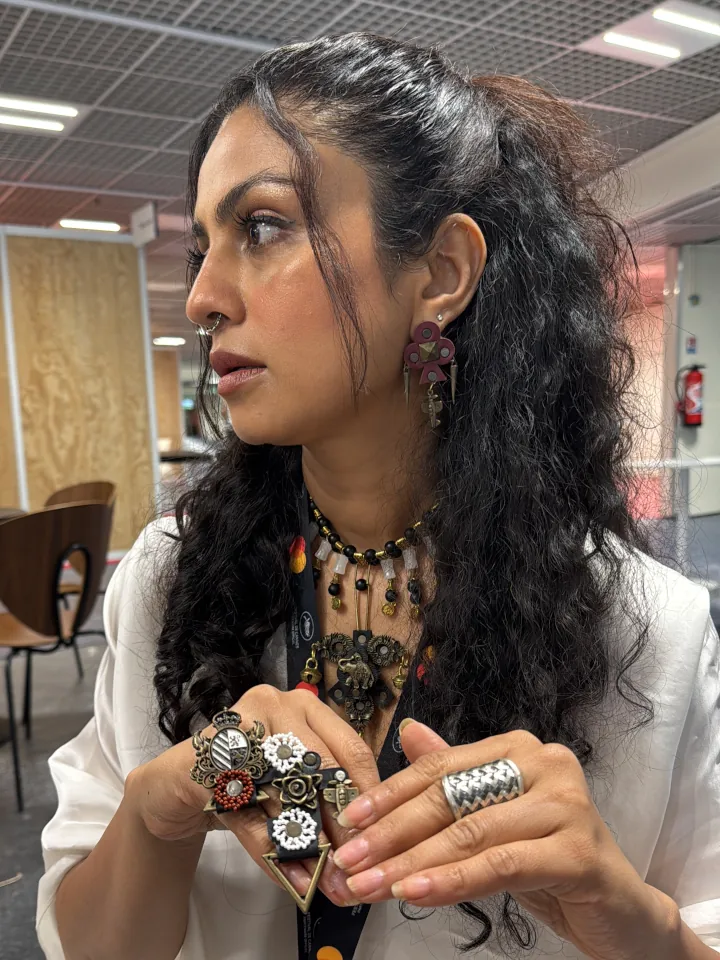
Another interesting part of Parekh’s experience on the show was her interaction with ‘Steve Skrovan’, one of the writers associated with the original “Everybody Loves Raymond”. Skrovan visited the Indian production and worked with the actors and writing team. Parekh later recalled that he conducted a workshop for the cast and shared insights into the finer aspects of American sitcom comedy and timing.
She even invited him to her home and served him spicy Indian food. Her comments about the experience reveal how seriously the Indian adaptation approached the challenge of reproducing the comic rhythm of the original while creating something that could work within an Indian family setting.

For Manasi Parekh’s career, “Sumit Sambhal Lega” was important for another reason: it demonstrated her ability to return to television after exploring other creative avenues. Before joining the series, she had spent time working in music, theatre, advertising and production.
She had also performed at London’s Globe Theatre with “Maro Piyu Gayo Rangoon” and released music, making her television comeback a deliberate professional choice rather than a necessity. When she was asked why she had accepted the show, Parekh explained that her enthusiasm for the original sitcom was a major factor. The project therefore represented both a return to a familiar medium and an opportunity to work in a format she genuinely enjoyed.

The role also earned Parekh recognition at the ‘Indian Telly Awards’, where she won the award for “Best Actress in a Supporting Role (Comedy)” for ‘Sumit Sambhal Lega’ in 2015. The recognition was significant because it acknowledged a different dimension of her acting abilities. Until then, much of her public identity had been associated with dramatic and emotionally demanding performances.
Maya allowed her to establish herself as a performer capable of generating humour through timing, expressions, dialogue delivery and character chemistry. The role consequently remains one of the most important entries in her television filmography.

The end of “Sumit Sambhal Lega” was followed by an important personal transition for Parekh. In September 2016, while she was still widely identified with Maya Walia, she celebrated her baby shower, and in November that year she and Parthiv Gohil welcomed their daughter. The timing added a new dimension to the public understanding of Parekh’s life beyond television.
In retrospect, Manasi Parekh in “Sumit Sambhal Lega” represents a particularly enjoyable phase of her television journey. ‘Maya Walia’ allowed her to step away from the serious dramatic world of “Gulaal” and demonstrate her instinct for comedy, while the show’s ensemble cast gave her the opportunity to work alongside accomplished performers.
Although Parekh later became increasingly selective about television and shifted her focus towards Gujarati films, OTT projects and production, she has continued to regard the series as an important part of her career. Her portrayal of Maya remains a strong example of the versatility that has ultimately taken her from Hindi television to Gujarati cinema and, eventually, to the “National Film Award for Best Actress for ‘Kutch Express'”.

Manasi Parekh as a Singer
Music has always been an important part of Manasi Parekh’s artistic identity, even before she became widely recognised as an actress. Her interest in singing began during her school and college years, and she went on to receive formal training in “Hindustani classical music”.
Before entering mainstream television, she participated in “Channel V’s ‘Popstars’ Season 2 in 2003”, where she became one of the finalists. The experience gave her an early opportunity to perform before cameras and a national youth audience, while also strengthening her confidence as a performer.
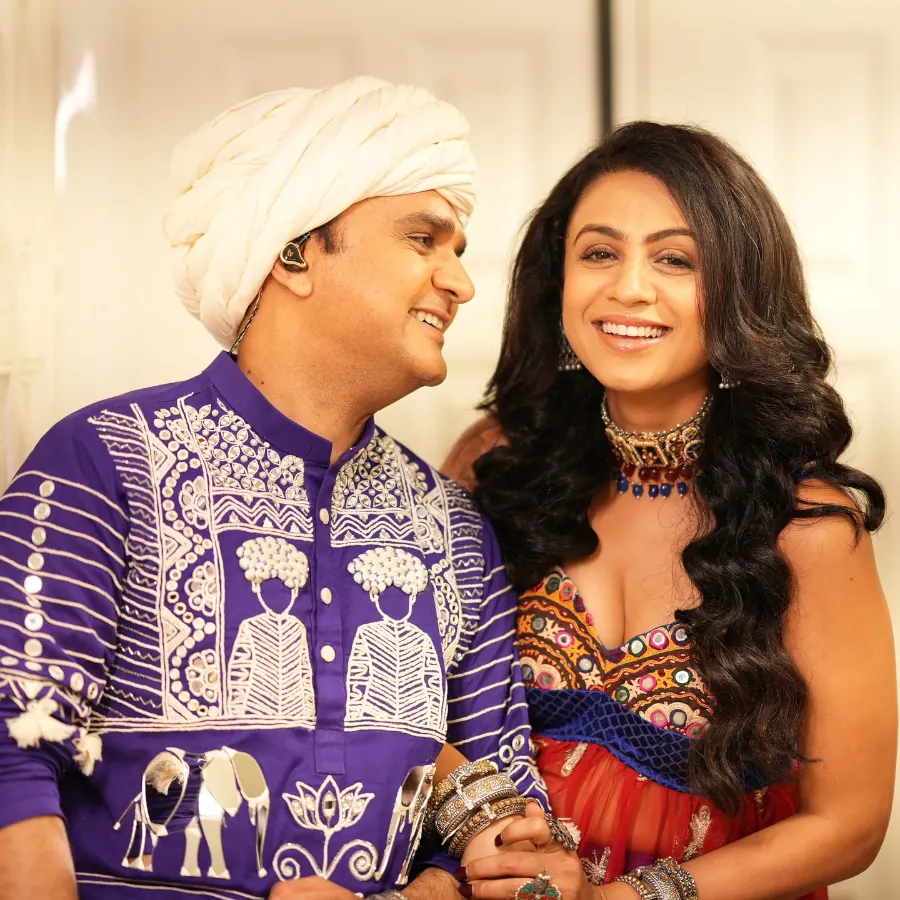
Interestingly, acting was not initially the only career she imagined for herself; Parekh has said in interviews that had she not become an actress, she would most likely have pursued singing professionally. Her early musical training and stage experience eventually became an important foundation for the varied entertainment career she would build.
A major milestone in Manasi Parekh’s singing career came in 2011, when she participated in Zee TV’s popular musical reality show “Star Ya Rockstar”. Competing against other television personalities, Parekh impressed the judges and viewers with her vocal performances and ultimately emerged as the “winner of the competition”. The victory was significant because it established her credibility as a singer independently of her acting career.

She has subsequently continued to perform live and maintain her connection with music, including musical appearances alongside her husband, playback singer and musician ‘Parthiv Gohil’. The couple have performed together at events and during Gujarati cultural celebrations, particularly Navratri, allowing Parekh to combine her professional musical interests with her deep connection to Gujarati culture.
What makes Manasi Parekh’s journey as a singer particularly interesting is that music has remained a constant thread even as her career has expanded into television, films, theatre and production. Her classical background has given her a strong foundation in voice and performance, while her work on television and stage has helped her become a confident live entertainer.
She has also spoken affectionately about Gujarati music and musicians, including her admiration for veteran singer ‘Purshottam Upadhyaya’. Rather than treating singing as a short-lived reality-show achievement, Parekh has continued to incorporate music into her creative life. This combination of acting and singing has become one of the defining features of her career, helping establish her as a “multifaceted Indian performer” rather than an actress limited to one medium.

Manasi Parekh and Theatre
Theatre has played a particularly important role in shaping Manasi Parekh’s acting career, giving her an opportunity to explore performance in a way that television and films cannot entirely replicate.
One of the most significant theatre projects of her career has been “Maro Piyu Gayo Rangoon”, a Gujarati musical adaptation of William Shakespeare’s “All’s Well That Ends Well”. Directed by acclaimed theatre director ‘Sunil Shanbag’, the production was commissioned for the prestigious Globe to Globe Festival at Shakespeare’s Globe in London.
Parekh played the lead character ‘Heli’ and also performed the songs live, bringing together her two strongest artistic interests—acting and music. The production was particularly significant because it was one of only two Indian plays commissioned for the festival in 2012, and its success subsequently led to further performances, including a return to the Globe in 2014.

For Manasi Parekh, “Maro Piyu Gayo Rangoon” was much more than another acting assignment. The production required her to combine dramatic performance with live singing, making it a natural fit for an artist who had already developed herself as both an actress and a classically trained singer.
Parekh herself described the opportunity as particularly exciting because it allowed her to act and sing in front of a live audience. The songs were written specifically for the production and drew upon Indian folk traditions, with relatively limited instrumentation, meaning that the performers had to communicate the emotional atmosphere of each scene through their voices and performances. Working under Sunil Shanbag also gave Parekh an opportunity to learn from an established theatre director and develop a greater understanding of live performance.
Her experience with theatre became even broader when she subsequently appeared in “Carmen”, playing the character ‘Chahat’. The role was very different from ‘Heli’ in “Maro Piyu Gayo Rangoon” and required a considerably more physical and unconventional performance.

The Indian Express reported that Parekh worked extensively on Chahat’s body language because the character’s actions were deliberately outrageous and often politically incorrect. This demonstrated another important quality in her acting approach: she was prepared to use theatre as a space for experimentation rather than simply reproducing the restrained style often required for television. Her theatre work consequently allowed her to explore physicality, spontaneity and character-driven performance in greater depth.

The influence of theatre on Manasi Parekh’s acting style has remained evident long after these productions. In March 2026, while reflecting on World Theatre Day, Parekh spoke about how profoundly theatre had shaped her both personally and professionally. She explained that theatre teaches performers to become self-reliant because actors often have to participate in several aspects of a production, from costumes and props to cues and backstage preparations.
She also highlighted the importance of live performance in teaching actors to think quickly and respond spontaneously when something unexpected happens on stage. For Parekh, this unpredictability and collaborative spirit are among the qualities that make theatre such a valuable part of an actor’s development.

Looking back, “Manasi Parekh’s theatre journey has been an important bridge between her work as an actress and her identity as a singer and creative professional”. “Maro Piyu Gayo Rangoon” gave her international exposure and the opportunity to combine acting with live music, while later stage work challenged her to develop a different physical and emotional vocabulary.
Theatre also helped strengthen the discipline and adaptability that she would carry into films, television and production. Her subsequent success in Gujarati cinema, culminating in the National Film Award-winning performance in “Kutch Express”, can therefore be viewed partly in the context of this broader artistic training. For Parekh, theatre has never simply been an alternative to screen acting; it has remained a formative creative space that continues to influence the way she approaches characters and storytelling.

Manasi Parekh’s Film Debut
Manasi Parekh’s journey into films was gradual, coming after she had already established herself as a familiar face on Indian television and as a trained singer and theatre performer. Her earliest credited film appearance came in “Laaga Chunari Mein Daag: Journey of a Woman” (2007), the Pradeep Sarkar-directed Hindi drama produced by Yash Raj Films.
She appeared in the film as a colleague of Konkona Sen Sharma’s character. Although it was a relatively small role, the experience gave Manasi an early opportunity to work within a major Bollywood production and alongside an established ensemble cast. The film was released theatrically on October 12, 2007.

For Manasi Parekh, however, the more significant turning point in her film career came later with “Leelai” (2012), a Tamil romantic comedy directed by Andrew Louis. The film featured Manasi in one of the lead roles as Karunai Malar, marking her entry into a substantial cinematic role and giving her the opportunity to work outside the Hindi television space in which she had built her reputation.
“Leelai” also demonstrated the versatility that would become an important feature of Manasi Parekh’s career, as she was willing to explore different languages, formats and styles rather than confining herself to a single industry. The film’s lead cast included Manasi Parekh and Shiv Panditt, with the actress subsequently receiving a SIIMA nomination for Best Female Debutant.

Her early film experiences eventually laid the foundation for a much broader career across Hindi, Gujarati and Tamil cinema. Manasi herself has described “Uri: The Surgical Strike” (2019) as her “first Bollywood film”, reflecting the distinction between her earlier supporting appearance in “Laaga Chunari Mein Daag” and her later, more substantial entry into mainstream Hindi cinema.
She has recalled being particularly excited when she secured the role of Neha Kashyap after director Aditya Dhar responded strongly to her performance during the casting process. This progression—from a brief early film appearance to leading roles and eventually acclaimed Gujarati cinema—captures an important part of “Manasi Parekh’s film debut and career journey”, showing how her experience in television, theatre and music gradually translated into a successful career on the big screen.

Manasi Parekh in “Uri: The Surgical Strike”
A significant milestone in Manasi Parekh’s film career came with “Uri: The Surgical Strike” (2019), the acclaimed Hindi military action film directed by Aditya Dhar. Having already made a name for herself through television and theatre, Manasi regarded the project as her entry into mainstream Bollywood.
She played ‘Neha Shergill Kashyap’, the wife of Major Karan Kashyap and sister of Major Vihaan Singh Shergill, bringing an important emotional dimension to a story largely centred on soldiers and military operations. The film starred Vicky Kaushal, Mohit Raina, Yami Gautam and Kirti Kulhari alongside Manasi and was inspired by the 2016 Uri attack and the subsequent surgical strikes carried out by the Indian Army.

Manasi’s casting in “Uri: The Surgical Strike” also became a memorable chapter in her career because of the way she won over director Aditya Dhar. In a later interview with Filmfare, she recalled that Dhar had initially imagined someone taller and fairer for the role. However, after watching her performance during the casting process, he was impressed enough to cast her.
For Manasi, the opportunity was particularly meaningful because it allowed her to transition from a successful television career into a large-scale Hindi film. She has spoken warmly about working with the film’s ensemble, including Vicky Kaushal, Mohit Raina, Yami Gautam and Swaroop Sampat, and considers the experience an important step in her journey as a screen actor.

As ‘Neha Kashyap’, Manasi brought a quieter and more personal perspective to the film’s intense military narrative. Her character is connected directly to the soldiers at the centre of the story, allowing the film to explore the emotional cost of conflict alongside its action-driven storyline.
Neha’s presence represents the families who remain behind while their loved ones serve in dangerous circumstances, giving Manasi an opportunity to express grief, strength and emotional resilience without making the character overly dramatic. Her performance complemented the film’s larger patriotic narrative by adding a grounded family dimension to the story.

The success of “Uri: The Surgical Strike” gave Manasi Parekh greater visibility in Hindi cinema and strengthened the credibility she had already built through television, theatre and regional projects. More importantly, the experience helped establish her as an actress capable of moving comfortably between different formats and genres.
Looking back, Manasi has consistently described “Uri” as a special project because it marked her Bollywood journey and came at an important stage of her career. Her later success in Gujarati cinema, particularly her National Award-winning performance in “Kutch Express”, would further demonstrate the range that first became increasingly visible as she expanded beyond television.

Manasi Parekh Enters Gujarati Cinema
After establishing herself through Hindi television, theatre and her early work in films, “Manasi Parekh gradually found a new creative home in Gujarati cinema”. Her entry into the industry became a defining phase of her career, particularly because it allowed her to explore stories and characters that were closely connected to her cultural roots.
In an interview with Times of India, Manasi recalled that she had begun her career as a singer before moving into television, theatre, films and OTT projects. She eventually found a strong niche in regional cinema, where she felt there was greater scope for interesting stories and substantial roles.

Manasi Parekh’s first major Gujarati film was “Golkeri” (2020), a comedy-drama directed by Viral Shah in which she starred opposite Malhar Thakar. She was drawn to the project because of its well-written story and its contemporary take on relationships and modern parenting.
The film proved to be an important step in her Gujarati cinema journey, not only because she played the lead but also because she took on the responsibility of producing it through Soul Sutra. “Golkeri” subsequently received a strong response, winning Best Film at the Toronto Gujarati Iconic Film Festival, while Manasi was recognised with a Best Actress jury award.

The success of “Golkeri” encouraged Manasi to invest more deeply in “Gujarati films as both an actress and producer”. Her next major project, “Kutch Express” (2023), became a landmark in this journey. Manasi played the lead role of Monghi and co-produced the film with her husband, Parthiv Gohil.
She has explained that the decision to make the film in Gujarati was deliberate because the language gave the characters and their emotions a sense of authenticity that could not simply be recreated in Hindi. Her belief in the potential of Gujarati storytelling also reflected her larger ambition to bring fresh narratives and stronger female-led stories to regional cinema.

Manasi’s growing association with Gujarati cinema ultimately transformed the trajectory of her career. Rather than waiting for more substantial opportunities in Hindi films, she chose to create and perform in stories that gave her greater creative freedom.
She has openly spoken about wanting to challenge the perception that female-led Gujarati films cannot succeed commercially and has invested in projects featuring unconventional subjects and strong women characters. This approach eventually culminated in her National Award-winning performance in “Kutch Express”, turning her Gujarati film journey from a new professional direction into one of the most successful chapters of her career.
She subsequently appeared in projects including:
- Dear Father
- Kutch Express
- Congratulations
- Ittaa Kittaa
- Jhamkudi
- Shubhchintak
- Maharani
- Misri
Her growing Gujarati filmography has coincided with a period of increased national interest in regional Indian cinema.
Kutch Express: The Defining Turning Point
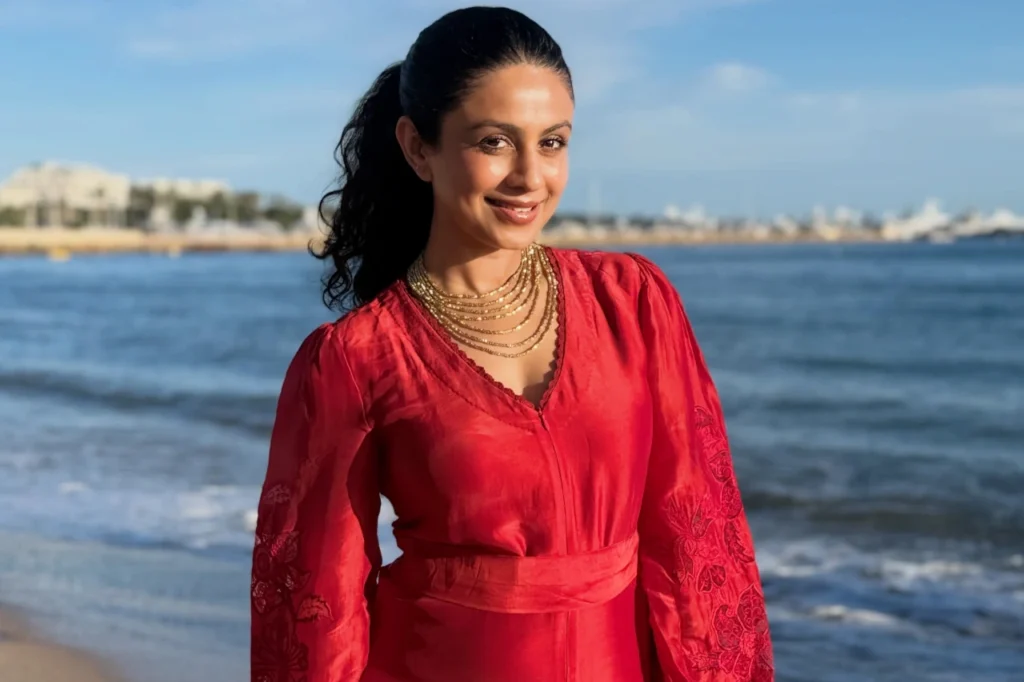
“Kutch Express” (2023) marked a defining turning point in Manasi Parekh’s career, transforming her from a well-established television and regional-film actor into a nationally recognised performer. Directed by Viral Shah, the Gujarati-language film featured Parekh as ‘Monghi’, a seemingly simple homemaker from Kutch whose life takes an unexpected turn when she discovers her husband’s infidelity.
Rather than portraying Monghi as a conventional victim, the film follows her gradual journey towards self-discovery, independence and emotional strength. For Manasi, the role demanded a significant transformation; she spent months working on Monghi’s body language, mannerisms and Gujarati dialect so that the character would feel authentic rather than like an urban actor simply playing a rural woman.

“Kutch Express” was particularly meaningful for Manasi because she was not only its leading actress but also one of its producers, working alongside her husband, singer-filmmaker ‘Parthiv Gohil’. Bringing the film to the screen proved to be a demanding experience, with the production taking place in the difficult period following the lockdown.
Parekh has spoken about the sleepless nights involved in arranging logistics, finding investors, assembling the team and securing the necessary permissions. Despite those challenges, she and Gohil remained committed to the story and to telling it in Gujarati. Their decision reflected Manasi’s growing belief in the potential of regional cinema and in stories that could connect strongly with audiences without having to be adapted into Hindi.

The film’s success became even more significant because of its focus on a woman’s emotional and personal transformation. Manasi has described “Kutch Express” as a project that helped challenge the long-held assumption that female-led Gujarati films could not perform successfully at the box office.
The film also brought together a prominent ensemble, including ‘Ratna Pathak Shah’, whose Gujarati debut was particularly special for Parekh. The collaboration allowed Manasi to explore a layered relationship between ‘Monghi’ and her mother-in-law, while also contributing to a story centred on women, their choices and their ability to reclaim their sense of self.

The biggest recognition came in 2024, when Manasi Parekh won the “National Film Award for Best Actress in a Leading Role” for her performance in “Kutch Express”, sharing the honour with ‘Nithya Menen’. The official 70th National Film Awards catalogue recognised Parekh for her nuanced portrayal of a homemaker who endures hardship with hope and talent.
The film itself also received the National Film Award for Best Feature Film Promoting National, Social and Environmental Values, making the achievement especially significant for Manasi as both an actress and producer.

For Manasi Parekh, therefore, “Kutch Express” was far more than another successful film—it became the project that changed the scale and direction of her career. The National Award strengthened her confidence, brought her wider recognition and opened doors to new professional opportunities, while the film’s success reinforced her determination to champion fresh and female-driven stories in Gujarati cinema.
After two decades in the entertainment industry, “Kutch Express” gave Manasi the kind of recognition that validated her decision to take creative risks and established her as one of the prominent contemporary faces of Gujarati cinema.

Preparing for the Role of Monghi
Preparing for ‘Monghi’ in “Kutch Express” was one of the most demanding transformations of Manasi Parekh’s acting career. The character was a simple, soft-spoken homemaker from a small town in Kutch, which was considerably different from Manasi’s own personality and upbringing.
Rather than relying only on costumes or makeup to create the character, she worked extensively on the finer details of Monghi’s personality. Manasi has revealed that perfecting “Monghi’s body language, mannerisms and dialect” took months of preparation. She wanted the character to feel instinctive and authentic on screen, rather than appearing as an urban actor imitating a woman from rural Gujarat.

Language was particularly important to Manasi’s preparation because “Kutch Express” depended heavily on the authenticity of its Gujarati setting. She and the filmmakers deliberately chose to tell the story in Gujarati, believing that the language was an essential part of the characters’ reality and emotional world.
Manasi therefore approached Monghi not simply as a Gujarati-speaking role, but as a woman whose speech, movements and everyday behaviour were shaped by her surroundings. Her preparation allowed her to soften her physicality and mannerisms and develop the restrained quality required for Monghi, a woman who initially appears quiet and accommodating but gradually discovers her own identity and strength.

Interestingly, Manasi did not assume that she would automatically be right for Monghi simply because she was also producing the film. She insisted on “auditioning and undergoing a look test” for the role, allowing the character to be evaluated on its own requirements. The process ultimately convinced the team that she was the right choice.
Her co-producer and husband, Parthiv Gohil, later recalled that Manasi had worked on the character’s body language and diction for months and had even undergone a physical transformation for the part. The preparation was so effective that, according to Gohil, her performance did not feel like that of a city-born actor playing a small-town woman; ‘Monghi’ appeared natural and lived-in.

What made Manasi Parekh’s preparation particularly valuable was her understanding that Monghi’s transformation had to happen from within. The character’s emotional journey—from a woman dealing with a painful upheaval in her marriage to someone who begins discovering independence through art—required subtle changes rather than an exaggerated performance.
Manasi’s months of preparation gave her the confidence to step onto the set already deeply connected to the character. That attention to detail ultimately became one of the strengths of her “Kutch Express performance”, which earned her the “National Film Award for Best Actress in a Leading Role” in 2024. The official National Film Awards citation specifically praised her nuanced portrayal of a homemaker enduring hardship with hope and talent, making the recognition a fitting acknowledgement of the craft behind her portrayal of ‘Monghi’.

Manasi Parekh Wins the National Film Award
In August 2024, Parekh was announced as a recipient of the “70th National Film Awards”.
The biggest recognition of Manasi Parekh’s acting career arrived in 2024, when she won the “National Film Award for Best Actress in a Leading Role” for her performance as ‘Monghi’ in “Kutch Express”. The award was announced on August 16, 2024, as part of the 70th National Film Awards for films of 2022.
Manasi shared the Best Actress honour with acclaimed South Indian actress Nithya Menen, who was recognised for Thiruchitrambalam. For Parekh, the achievement was especially meaningful because “Kutch Express” was not only a film in which she played the lead but also one she co-produced with her husband, Parthiv Gohil.

The National Film Award represented the culmination of years of work across television, theatre, music and cinema. Manasi had spent two decades building her career without restricting herself to one particular medium, and her performance as Monghi demonstrated the depth and versatility she had developed along the way.
The official National Film Awards catalogue praised her for delicately portraying a suppressed homemaker filled with hope and untapped talent. “Kutch Express” itself also received national recognition in other categories, making the achievement an important moment not only for Parekh but for contemporary Gujarati cinema.

When Manasi Parekh finally received the award from ‘President Droupadi Murmu’ at the National Film Awards ceremony in New Delhi on October 8, 2024, the moment became intensely emotional. She broke down in tears while walking towards the stage, later explaining that the significance of the occasion was difficult to put into words.
She recalled thinking about her parents, husband, daughter and everyone who had supported her throughout her journey. Her emotional reaction captured just how deeply the honour resonated with her after years of persistence and creative work.

For Manasi, the victory also carried a wider meaning because it brought national attention to a “Gujarati film led by women”. She has spoken about her hope that regional films receive wider theatrical distribution and reach audiences across India, rather than remaining confined primarily to their home markets.
The success and recognition of “Kutch Express” strengthened her belief that regional cinema can tell distinctive stories with universal emotional appeal. In that sense, the National Film Award became more than a personal milestone—it reinforced Manasi Parekh’s growing role as an actress and producer committed to giving Gujarati cinema a larger platform.

Manasi Parekh as a Producer
Alongside her successful career as an actress and singer, “Manasi Parekh has gradually established herself as a producer with a strong interest in meaningful and original storytelling”. Her move into production was not simply an extension of her acting career; it reflected her desire to have greater creative control and to create opportunities for stories that might otherwise struggle to find backing. She had already been involved in producing advertisements, documentaries and digital content before moving into feature films.
In 2013, she launched her production company, ‘Soul Sutra’, marking the beginning of a new professional chapter. The company was envisioned by Manasi and later developed into a full-fledged film production entity with her husband, singer and performer Parthiv Gohil, and Dhaval Thakkar.

Manasi Parekh’s transition into film production became particularly prominent with “Golkeri” (2020), a Gujarati comedy-drama starring Manasi and Malhar Thakar. Produced under the Soul Sutra banner, the film gave her the opportunity to experience the demands of filmmaking from behind the camera while also taking on a lead acting role.
Manasi has spoken candidly about the additional responsibility that comes with being both an actor and producer, as the producer must remain concerned with the larger picture while the actor has to concentrate on the character and performance.

Her decision to work in Gujarati cinema also proved strategic, as she and Parthiv were familiar with the Gujarati cultural and entertainment space and wanted to contribute to the growth of their language’s film industry.
Her biggest production milestone came with “Kutch Express” (2023), which she co-produced with Parthiv Gohil and headlined as ‘Monghi’. The film was particularly challenging because its production was affected by the lockdown period, creating difficulties around financing, logistics, assembling the crew and securing permissions.

Manasi has recalled the sleepless nights she and Parthiv experienced while trying to keep the project moving, but their belief in the script kept them committed to the film. They also resisted the temptation to shift the story into Hindi, choosing Gujarati because they felt the language was integral to the film’s authenticity.
The success of “Kutch Express” gave Manasi Parekh’s career as a producer considerable momentum. The film not only became a significant Gujarati cinema success but also earned national recognition, with Manasi winning the “National Film Award for Best Actress in a Leading Role” and the production receiving further recognition at the National Film Awards.

The achievement strengthened Soul Sutra’s credibility and encouraged Manasi and Parthiv to continue developing Gujarati stories with wider ambitions. Manasi has explained that she entered production because of her passion for cinema and her belief that Gujarati audiences deserve distinctive, well-made stories.
Her work as a producer therefore represents another dimension of her career—one in which she is not merely waiting for interesting roles but actively helping create the kind of cinema in which she believes.

For Manasi, producing has ultimately become a way of “building rather than simply participating in the entertainment industry”. Her subsequent association with projects such as “Jhamkudi” and “Shubhchintak” has further expanded Soul Sutra’s Gujarati film portfolio, while she continues to balance production with acting and music.
Her journey from actor to producer also reflects the entrepreneurial side of her personality: when she felt that the industry was offering her limited opportunities, she chose to create her own path instead of waiting for conventional Bollywood roles. In doing so, Manasi Parekh has emerged as a creative professional who uses production not only as a business venture but also as a platform for supporting regional cinema and bringing Gujarati stories to a broader audience.

Manasi Parekh and Female-Centric Gujarati Cinema
“Manasi Parekh has emerged as an important voice for female-centric storytelling in contemporary Gujarati cinema”, both through the characters she chooses to portray and the projects she helps bring to the screen as a producer. Her transition from television to regional cinema gave her an opportunity to move beyond the limitations of conventional roles and explore women with greater emotional depth, individuality and agency. In particular, “Kutch Express” became an important example of this approach.
As ‘Monghi’, Manasi portrayed a homemaker whose life is disrupted by a painful revelation, but whose story ultimately becomes one of self-discovery and independence. The character allowed her to move away from the stereotypical image of a woman defined only by her relationship with her husband and instead focus on her gradual understanding of her own identity.

Manasi’s involvement with Gujarati cinema has also extended beyond acting. Through ‘Soul Sutra’, the production venture associated with her and Parthiv Gohil, she has sought to support stories that offer something different to audiences. She has spoken about wanting to challenge the perception that female-led Gujarati films cannot find commercial success and has expressed an interest in investing in fresh narratives and stronger roles for women.
Her philosophy is particularly significant in a regional industry where commercially successful films have often been driven by familiar genres and male protagonists. By taking on both creative and production responsibilities, Manasi has positioned herself on the other side of the filmmaking process as well, helping determine which stories receive the opportunity to be made.

“Kutch Express” ultimately became the strongest expression of this creative vision. The film places a woman’s emotional journey at its centre while examining marriage, family expectations, betrayal and the possibility of rebuilding one’s life on one’s own terms. Its success, followed by Manasi’s “National Film Award for Best Actress in a Leading Role”, demonstrated the audience and critical potential of a Gujarati film built around a complex female protagonist.
For Manasi Parekh, this recognition reinforced her belief that regional cinema can accommodate ambitious, women-driven stories without sacrificing entertainment value. Her continuing work as an actress and producer therefore represents more than a career expansion; it reflects her effort to create greater space for nuanced female characters and fresh voices within Gujarati cinema.
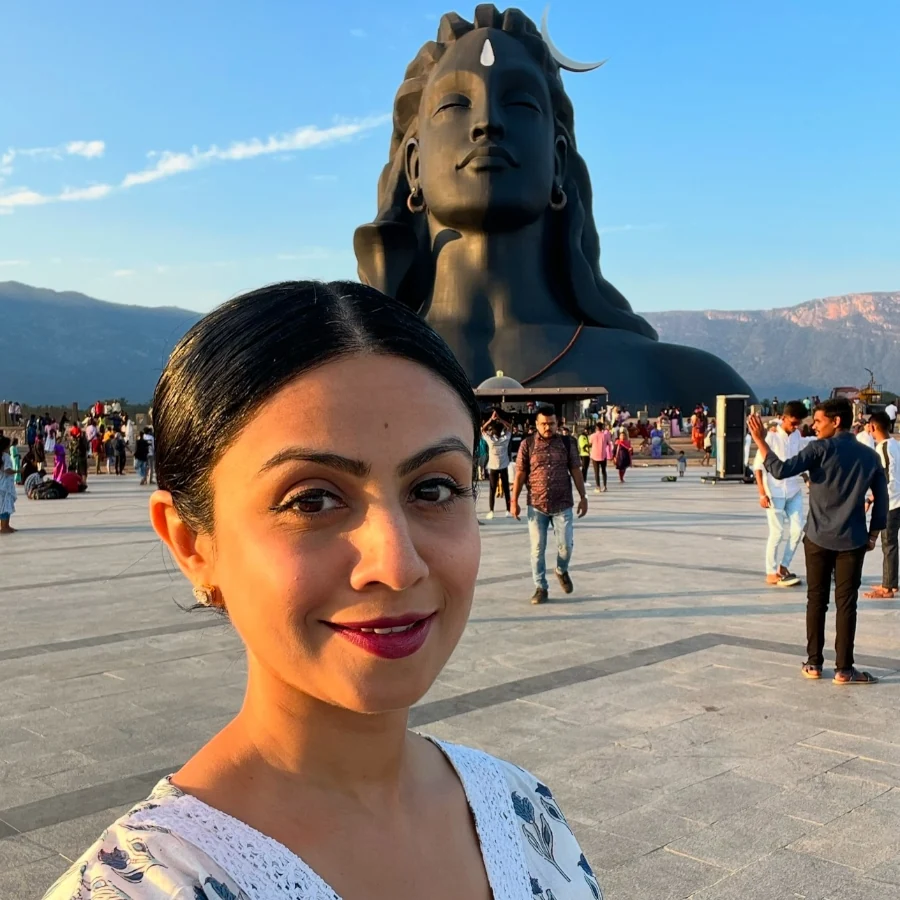
Her contribution to “female-centric Gujarati cinema” is particularly noteworthy because she approaches the subject from several directions at once. As an actor, she brings lived-in performances to women who are not easily reduced to one personality trait; as a producer, she has greater influence over the kinds of stories that reach audiences; and as a creative professional with experience across television, theatre, music and film, she brings a broad perspective to regional storytelling.
This combination has helped make Manasi Parekh part of a wider shift towards more contemporary Gujarati narratives—stories in which women can be protagonists, decision-makers and fully realised individuals rather than merely supporting figures in someone else’s journey.

Manasi Parekh and Parthiv Gohil
Manasi Parekh and Parthiv Gohil share a relationship that has developed alongside their individual careers in music, television, theatre and cinema. The two first connected through their involvement in the entertainment industry and gradually became close before getting married in 2008. Their relationship has since evolved into both a personal partnership and a creative collaboration.
Parthiv, an accomplished singer and performer, has been an important source of support throughout Manasi’s career, particularly as she expanded from acting into music and film production. Their shared understanding of the demands of the entertainment industry has allowed them to support each other while pursuing their respective creative ambitions.

Their professional partnership became particularly significant through ‘Soul Sutra’, the production venture associated with the couple. Working together as producers has given Manasi and Parthiv an opportunity to develop projects that reflect their interest in Gujarati culture and contemporary regional storytelling.
Their collaboration reached an important milestone with “Kutch Express” (2023), in which Manasi played the lead role of ‘Monghi’ while the couple jointly backed the project as producers.
Manasi has spoken about the considerable effort involved in bringing the film to the screen, from arranging finances and logistics to assembling the team and dealing with the practical challenges of production. Having Parthiv beside her during that demanding process was an important part of the film’s journey.

The couple’s partnership also extends to their shared connection with Gujarati music and culture. Manasi has frequently spoken about her deep attachment to Gujarati traditions despite being born and raised in Mumbai, while Parthiv has built his own reputation as a Gujarati singer and performer.
Together, they have participated in musical performances and cultural programmes, combining their interests in acting, singing and live entertainment. Their common cultural background and professional interests have therefore created a natural foundation for collaboration, particularly in projects aimed at celebrating Gujarati language and storytelling.
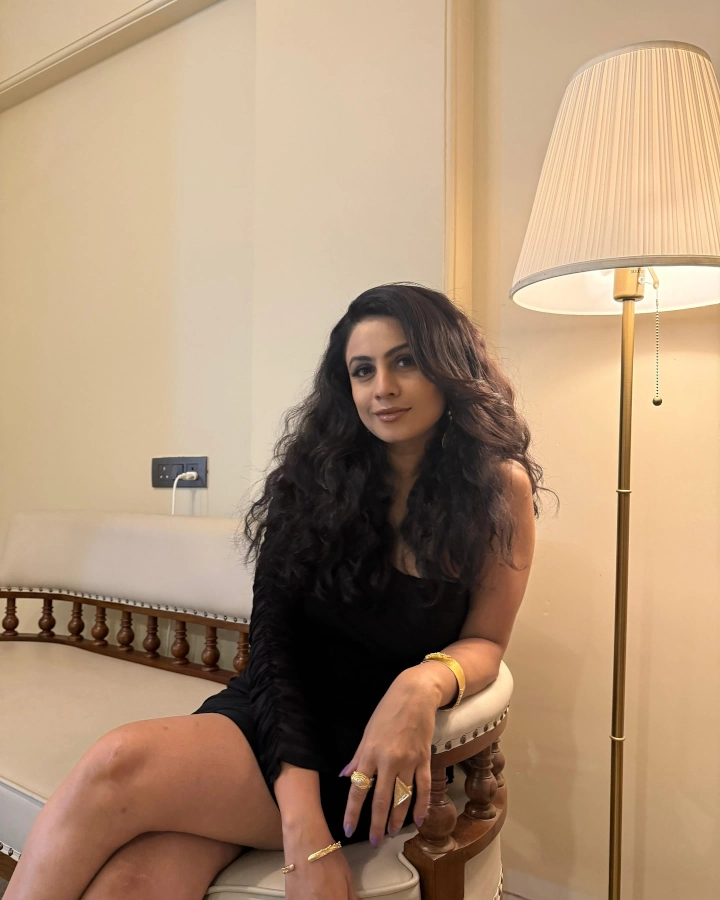
For Manasi Parekh, Parthiv Gohil has remained an important part of the journey as she has taken on increasingly diverse responsibilities in the entertainment industry. From supporting her transition across acting and music to working alongside her as a producer, their relationship has developed into a partnership that blends personal companionship with creative ambition.
The success of “Kutch Express”, followed by Manasi’s “National Film Award for Best Actress”, was consequently an important shared milestone for the couple. Their journey illustrates how two artists can build individual identities while also creating a productive professional partnership rooted in their mutual passion for music, cinema and Gujarati culture.

Manasi Parekh’s Daughter and Motherhood
Manasi and Gohil have one daughter, ‘Nirvi’. Motherhood has been an important part of Manasi’s personal journey, but she has never viewed becoming a mother as a reason to step away from her professional ambitions. She has spoken openly about being certain that she would continue working after having her daughter and credits Parthiv for being a supportive partner who shares parenting responsibilities.
Manasi also continued working during her pregnancy and gradually returned to professional commitments after Nirvi’s birth, making it possible for her to maintain her identity as an actress, singer and producer while embracing the responsibilities of motherhood.

Manasi has described her approach to parenting as practical and personal rather than something dictated by conventional expectations. With both parents involved in performances, film projects and other professional commitments, Nirvi has grown accustomed to a schedule that can sometimes be hectic.
Manasi has said that her daughter has learned to adapt to this lifestyle, while she and Parthiv have made a conscious effort to give her a grounded upbringing. When Manasi is in Mumbai, she makes time for everyday moments with Nirvi, including bedtime stories, school activities and parent-teacher meetings. These ordinary routines, she has suggested, help her remain closely connected with her daughter despite the demands of her career.
Motherhood has also influenced the way “Manasi Parekh approaches her career and personal priorities”. Rather than treating work and family as completely separate worlds, she has learned to navigate both simultaneously.

Her journey is particularly notable because some of the most important professional milestones of her career—including her acclaimed performance in “Kutch Express” and her National Film Award win—came while she was raising her daughter.
Manasi has spoken about the significance of being a working mother and the support she receives from her family, making her experience an example of how a woman can continue pursuing ambitious creative goals while remaining deeply involved in her child’s life.

For Manasi, however, motherhood is not simply about managing schedules; it is also about the values she wants to pass on to Nirvi. She has expressed a desire to give her daughter a humble and balanced upbringing, even while growing up around the visibility and opportunities that come with her parents’ careers. Their shared interest in music has also created a special bond, with Nirvi showing an early interest in singing and playing the piano.
In many ways, Manasi Parekh’s experience of motherhood mirrors her broader personality—independent, creative and unwilling to conform to a single definition of what a successful woman should be. Her ability to combine family life with acting, music and production has become an important part of her story beyond the screen.

Manasi Parekh’s Views on Gujarati Identity
“Manasi Parekh’s connection with her Gujarati identity has remained strong despite being born and brought up in Mumbai”.
She has often spoken about how her cultural roots were never diluted by growing up in a cosmopolitan city. Gujarati music, traditions and family values remained an important part of her upbringing, and this connection eventually became increasingly visible in her professional work.
Her love for Gujarati culture is also closely linked to music; while growing up, she developed an appreciation for Gujarati sugam sangeet and has expressed admiration for legendary Gujarati singer and composer ‘Purshottam Upadhyaya’. For Manasi, Gujarati identity is therefore not simply about where a person lives but about the language, music, traditions and emotional connections that remain part of everyday life.

This cultural connection has played an increasingly important role in “Manasi Parekh’s career in Gujarati cinema”. Although she began her professional journey in Hindi television and went on to work across theatre, music and Hindi, Tamil and Gujarati films, she eventually found a particularly meaningful creative space in Gujarati storytelling. She has spoken about the importance of preserving the flavour of a story by telling it in its original language, a philosophy that became especially evident with “Kutch Express”.
Rather than treating Gujarati merely as a regional marker, Manasi sees the language as an integral part of the characters and their world. Her work in Gujarati cinema has consequently allowed her to combine her professional experience with a cultural identity that she has carried since childhood.

For Manasi, representing Gujarati culture also means “taking Gujarati stories beyond Gujarat”. She has consistently expressed the view that regional cinema deserves a wider audience and that language should not become a barrier to discovering strong stories. Her success with “Kutch Express”, both as its lead actress and co-producer, strengthened this belief.
The film’s national recognition, including Manasi’s National Film Award for Best Actress, demonstrated to her that a distinctly Gujarati story could connect with audiences far beyond its immediate cultural setting. Her subsequent involvement in Gujarati films and production has continued to reflect this desire to support contemporary regional storytelling while retaining the authenticity of its language and cultural setting.

Manasi Parekh’s understanding of Gujarati identity is therefore best seen as a combination of “heritage and creative expression”. She may have grown up in Mumbai, but her attachment to Gujarati music, traditions and language has remained an important part of who she is.
Through acting, singing and film production, she has found ways to keep that connection alive while presenting Gujarati stories in a contemporary format. Her career illustrates how cultural identity can remain deeply rooted while also evolving with changing audiences, making Manasi Parekh an increasingly recognisable figure in the modern Gujarati entertainment industry.

Manasi Parekh’s Major Interviews and Media Conversations
Over the years, “Manasi Parekh’s interviews and media conversations” have offered a revealing look at the many dimensions of her career. Rather than presenting herself solely as an actress, she has consistently spoken about her journey as a singer, theatre performer, producer and mother as well. Her conversations often return to the idea of not allowing herself to be restricted to one particular identity within the entertainment industry.
In a 2024 conversation with ‘Rediff’, Manasi reflected on the fact that she had worked across television, theatre, advertising, Hindi and regional films, and music before receiving the National Award. She also recalled that acting was not originally her primary ambition; she had always considered herself a singer and entered acting almost unexpectedly when she auditioned for “Kitni Mast Hai Zindagi” during her college years.

Her interviews about television and “Sumit Sambhal Lega” reveal another important aspect of her professional philosophy. Manasi has spoken fondly about playing Maya in the Indian adaptation of “Everybody Loves Raymond”, explaining that she had been a fan of the original series and was particularly excited by the opportunity to work on a sitcom with a different rhythm from the conventional daily soap.
She underwent workshops and rehearsals before filming, with the show’s international creative influences helping the cast understand comic timing and performance. In later conversations, Manasi also explained why she became selective about returning to television after “Sumit Sambhal Lega”.

She felt that OTT platforms and films were increasingly offering actors opportunities to explore deeper and more varied characters, while finite television formats could provide a better creative experience than stories that were stretched primarily to accommodate long-running schedules.
A recurring subject in “Manasi Parekh’s media conversations is Gujarati cinema and her cultural identity”. Although she was born and brought up in Mumbai, she has frequently spoken about the strength of her Gujarati cultural connection, particularly through music, language and family traditions.

Her interviews surrounding “Kutch Express” became especially significant because she discussed not only her performance as ‘Monghi’ but also her role as a producer. She explained that retaining Gujarati as the film’s language was important to preserving its emotional and cultural flavour. Manasi has also spoken about her desire to challenge the assumption that female-led regional films have limited commercial potential and to encourage fresh Gujarati stories that can reach audiences outside Gujarat.
Her conversations following the “National Film Award for ‘Kutch Express'” brought a more personal side of Manasi Parekh into focus. After the award was announced in 2024, she described the recognition as an emotional validation of years of persistence and hard work. She also spoke about the significance of receiving such a major honour while continuing to work as a mother and producer.

When she eventually received the award from ‘President Droupadi Murmu’, the occasion became visibly emotional for her, and she later spoke about how difficult it was to contain her feelings on stage. Her interviews after the win also showed that she viewed the honour not simply as an individual achievement but as an important moment for Gujarati cinema and for regional stories seeking a wider national audience.
Another recurring theme in “Manasi Parekh’s interviews is the relationship between her professional ambitions and motherhood”. She has spoken candidly about her decision to continue working after the birth of her daughter, ‘Nirvi’, and about the importance of having a supportive partner in Parthiv Gohil. Rather than presenting motherhood as something that brought her career to a halt, Manasi has described learning to manage both responsibilities simultaneously.

She has spoken about attending her daughter’s school events and parent-teacher meetings when she is in Mumbai, spending time with her at home and maintaining a sense of normalcy despite the demands of an entertainment career. These conversations have added a more relatable dimension to her public image and highlighted the practical realities behind her success as a working actor, singer and producer.
Manasi has also used interviews to discuss “the craft of acting, theatre and music”, areas that have remained important throughout her career. She has credited theatre with teaching her discipline, spontaneity and the ability to respond instinctively when something unexpected happens during a live performance.

Her experience with “Maro Piyu Gayo Rangoon”, which was invited to London’s Globe Theatre, remains one of the milestones she frequently associates with her artistic development. Music, meanwhile, continues to be an integral part of her identity, something she has maintained alongside acting rather than abandoning after entering films and television.
Across these conversations, a consistent picture emerges: Manasi Parekh sees her career not as a straight progression from one medium to another, but as a collection of experiences in acting, singing, theatre and production that continually influence one another.

Taken together, “Manasi Parekh’s major interviews and media conversations” provide a fuller understanding of the person behind her screen performances. She has spoken about professional setbacks without presenting them as failures, celebrated recognition without treating it as permanent, and repeatedly emphasised the importance of staying open to new creative opportunities.
Her discussions about “Kutch Express”, Gujarati cinema, motherhood, theatre, music and television reveal an artist who has deliberately built a multi-dimensional career rather than following a conventional path. This openness has become one of the defining characteristics of Manasi Parekh’s public persona and helps explain why her journey—from a young singer and television newcomer to a National Award-winning actress and producer—continues to attract interest from audiences and the media alike.

Manasi Parekh’s Major News Developments
One of the biggest news developments in “Manasi Parekh’s career” came in August 2024, when she was announced as the joint winner of the National Film Award for Best Actress in a Leading Role for her performance in “Kutch Express”. She shared the honour with ‘Nithya Menen’, who was recognised for “Thiruchitrambalam”.
The announcement represented a major breakthrough for Parekh after nearly two decades in the entertainment industry, particularly because her winning performance came in a Gujarati-language film.
“Kutch Express” also received national recognition in the category for Best Feature Film Promoting National, Social and Environmental Values. For Manasi, who had also co-produced the film with her husband Parthiv Gohil, the achievement became one of the defining moments of her professional life.

The National Award continued to generate considerable media attention when Manasi received the honour from ‘President Droupadi Murmu’ at the National Film Awards ceremony in New Delhi in October 2024. The actress became visibly emotional while accepting the award and later spoke about the overwhelming significance of the moment. She connected the achievement with the years of work that had preceded it, as well as the support of her family and colleagues.
In subsequent interviews, Manasi also described the award as an important recognition for Gujarati cinema and expressed her hope that regional films would increasingly find audiences across India. The honour consequently became more than an individual career achievement—it strengthened her position as one of the prominent contemporary representatives of Gujarati cinema on a national platform.

The period following her National Award brought another important development in Manasi Parekh’s film career, as she appeared in several Gujarati projects across different genres. In 2025, films including Shubhchintak, Maharani and Misri expanded her screen presence and demonstrated that the recognition she received for “Kutch Express” was followed by a sustained run of varied work.
Her post-award choices have reflected the versatility she has developed throughout her career, with Manasi moving between drama, comedy and more unconventional material rather than allowing herself to be confined to a single type of character. Media coverage during this period also highlighted how the National Award had increased industry interest in her work and created new opportunities for her as both an actress and producer.
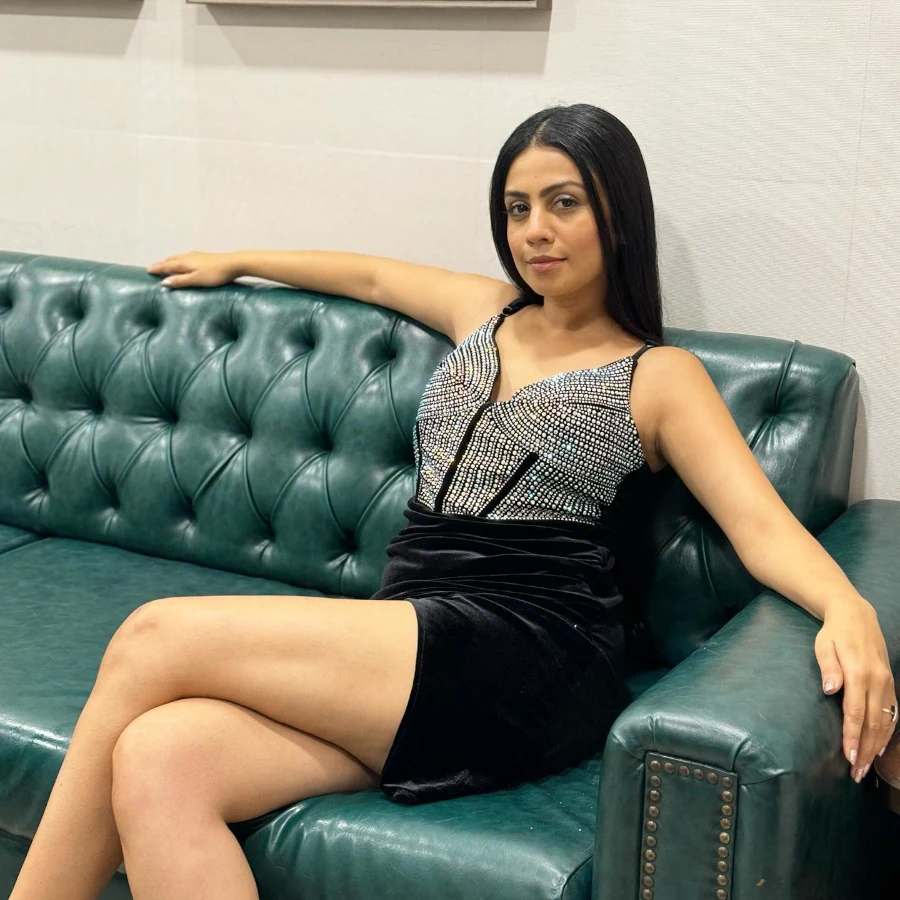
Another major news development involving Manasi came in late 2025 in connection with “Misri”. A promotional video featuring Manasi Parekh and actor Tiku Talsania performing a motorcycle stunt on a busy Ahmedabad road attracted criticism after Manasi was seen standing on the pillion without a helmet while the motorcycle was in motion.
The incident resulted in police action, with a case registered at Ahmedabad’s A Division Traffic Police Station under provisions of the Bharatiya Nyaya Sanhita and the Motor Vehicles Act. Reports subsequently stated that members of the film team apologised.

The episode generated significant online discussion and became one of the more controversial moments in Manasi’s recent public career. Importantly, the reporting concerned an FIR and legal proceedings rather than a conviction, and the incident should therefore be understood in that context.
In 2026, “Manasi Parekh also gained attention for her efforts to promote Gujarati cinema internationally”. Reports highlighted her involvement in presenting Gujarati films to international industry audiences, including participation connected with the Marché du Film at Cannes.

Her activities were particularly notable because they extended her role beyond that of an actress and producer into that of a representative and advocate for regional filmmaking. The presentation of Gujarati films on an international industry platform was seen as an opportunity to introduce filmmakers, stories and production possibilities from Gujarat to a much wider network of buyers and cinema professionals.
Her involvement reflected a broader ambition she has expressed repeatedly: that Gujarati cinema should not remain limited to its traditional regional audience but should find recognition on national and international platforms.

Another widely reported development came in August 2026, when Manasi was travelling in the Nepal-Tibet region as part of a “Kailash Mansarovar pilgrimage”. Severe weather and flooding in the region disrupted travel plans, leaving her and other travellers temporarily stranded amid difficult conditions. Reports said that she eventually returned safely after navigating delays, landslides and challenging road conditions.
Manasi later spoke publicly about the experience, describing the journey as extremely difficult and recounting how travellers had to deal with rapidly changing circumstances. The incident attracted attention because it provided a glimpse into a very different side of her life away from films and entertainment, while also highlighting her resilience during an unexpectedly difficult journey.

Taken together, these developments illustrate how “Manasi Parekh’s public and professional journey has expanded significantly in recent years”. Her National Film Award established her as a nationally recognised actress, her subsequent film projects demonstrated her continuing creative momentum, and her production activities strengthened her role behind the camera.
At the same time, her advocacy for Gujarati cinema has increasingly taken her beyond conventional acting-related coverage, while the “Misri” controversy and the 2026 Nepal-Tibet episode showed how developments outside her film work can also attract substantial media attention. From television beginnings to acclaimed Gujarati cinema and international industry engagement, Manasi Parekh’s recent news trajectory reflects an artist whose career has continued to evolve well beyond the boundaries of a conventional acting profession.

Controversies Involving Manasi Parekh
Although “Manasi Parekh has largely maintained a positive public image throughout her career”, she faced a significant controversy in October 2025 during the promotional campaign for her Gujarati film “Misri”. A promotional bike rally in Ahmedabad attracted widespread attention after videos from the event circulated on social media.
In one of the videos, Manasi was seen standing on the pillion of a moving motorcycle while recreating the famous “Titanic” pose, without wearing a helmet. Other members of the film team were also shown performing motorcycle and vehicle stunts on public roads. What had apparently been intended as an unconventional promotional activity quickly became a subject of criticism because of concerns surrounding road safety.

The incident escalated when the “Ahmedabad Traffic Police initiated legal action” after the videos went viral. A case was registered at the A Division Traffic Police Station under Section 281 of the Bharatiya Nyaya Sanhita and Sections 177 and 184 of the Motor Vehicles Act. The provisions cited in reports related to rash or negligent driving, traffic violations and conduct that could endanger human life.
The controversy involved several people associated with the “Misri” promotional activity, including Manasi and veteran actor ‘Tiku Talsania’. The episode generated considerable discussion because celebrities and public figures can have a strong influence on audiences, particularly when promotional material involving potentially dangerous behaviour is shared widely online.

The “social-media backlash against Manasi Parekh and the ‘Misri’ team” was largely centred on the message such stunts could send to the public. Critics argued that promotional creativity should not come at the expense of basic traffic and safety regulations, especially on busy city roads. Some reactions specifically pointed to the absence of a helmet and the decision to perform the stunt while other traffic was present.
The criticism was therefore less about the film itself and more about the manner in which it was being promoted. The controversy also highlighted the additional responsibility celebrities face when their actions are recorded and distributed to potentially large audiences through social media.

The situation was followed by an apology from members of the group involved in the incident. According to Times of India, Ahmedabad traffic police later shared a video in which Tiku Talsania, Jesal Jadeja and Prem Gadhvi expressed regret for the stunt, with the actors acknowledging that such behaviour should not be carried out on public roads.
This response helped bring the immediate public controversy towards a more conciliatory stage, although the legal proceedings stemming from the incident remained a separate matter. It is important to distinguish between being named in or connected with a police case and being convicted of an offence; the available reports describe the registration of the case and subsequent legal action, not a final court conviction against Manasi Parekh.

Beyond the ‘Misri’ episode, there is “little evidence of major, sustained controversies surrounding Manasi Parekh” comparable to those sometimes associated with other high-profile entertainment personalities.
Her public career has primarily been associated with acting, music, theatre, Gujarati cinema and film production, with much of the media coverage focusing on her National Film Award for “Kutch Express”, her advocacy for regional cinema and her work as a producer.
The 2025 road-stunt controversy therefore stands out as an isolated incident rather than a defining feature of her career. A balanced account of Manasi Parekh’s controversies should acknowledge the episode and the resulting legal action while avoiding sensationalism or presenting allegations as established wrongdoing.

Complete Manasi Parekh Filmography
Films/Web-series
| Year | Film / Project | Role | Language / Format |
| 2007 | Laaga Chunari Mein Daag | Konkona’s colleague | Hindi |
| 2012 | Leelai | Malar | Tamil |
| 2019 | Uri: The Surgical Strike | Neha Kashyap | Hindi |
| 2019 | Maternity Blues | Awantika | Short |
| 2019–20 | Do Not Disturb | Meera | Gujarati web series |
| 2020 | Golkeri | Harshita | Gujarati |
| 2020 | Kab Aaoge | — | Short |
| 2022 | Dear Father | Alka Joshi | Gujarati |
| 2023 | Kutch Express | Monghi | Gujarati |
| 2023 | Congratulations | Ragini Mehta | Gujarati |
| 2023 | Do Gubbare | Ashwini | Hindi web-series |
| 2024 | Ittaa Kittaa | Kavya | Gujarati |
| 2024 | Jhamkudi | Kumud | Gujarati |
| 2024 | Jab Khuli Kitaab | Asha Ji | Hindi |
| 2025 | Shubhchintak | Meghana | Gujarati |
| 2025 | Maharani | Manasi | Gujarati |
| 2025 | Misri | Pooja | Gujarati |
| 2025 | Laalo: Krishna Sada Sahaayate | — | Gujarati; producer |
| 2026 | Mitrata | — | Project/producer credit |
| 2026 | Adbhoot | — | Project/producer credit |

Television Filmography
Her extensive television work includes:
- Kitni Mast Hai Zindagi – Rashmi
- Kaisa Ye Pyar Hai – Tanya
- India Calling – Chandini
- Kasautii Zindagii Kay – Kuki Bajaj
- Kkavyanjali – Akshara
- Aahat – Millie
- Four – Taranpreet
- Remote Control – Bubbly
- Saat Phere: Saloni Ka Safar – Kavita
- Saath Nibhaana Saathiya
- Zindagi Ka Har Rang…Gulaal – Gulaal
- Jhalak Dikhhla Jaa 4 – Guest
- Yeh Rishta Kya Kehlata Hai – Guest
- Mann Kee Awaaz Pratigya – Guest
- Sasural Genda Phool – Guest
- Iss Pyaar Ko Kya Naam Doon? – Guest
- Kuch Toh Log Kahenge – Mandira
- Star Ya Rockstar – Contestant/Winner
- Ek Hazaaron Mein Meri Behna Hai – Mahhi
- Saraswatichandra – Karuna
- Ishq Kills – Contract killer
- Yeh Hai Mohabbatein – Special appearance
- Sumit Sambhal Lega – Maya Walia
- Kasam Tere Pyaar Ki – Kritika
- Gangaa – Guest
- Bigg Boss 11 – Guest appearance
- Kitchen Champion 5 – Contestant

Awards and Recognition
| Year | Award | Category | Work |
| 2011 | Zee TV “Star Ya Rockstar” | Winner | Singing |
| 2013 | SIIMA | Best Female Debutant – Nomination | Leelai |
| 2015 | Indian Telly Award | Best Actress in a Supporting Role – Comedy | Sumit Sambhal Lega |
| 2024 | National Film Awards | Best Actress in a Leading Role | Kutch Express |
| 2024 | Lions Gold Awards | Pathbreaking Performer of the Year | Kutch Express |

Why Manasi Parekh’s National Award Matters
“Manasi Parekh’s National Film Award matters because it represents the culmination of a career built across television, theatre, music and regional cinema rather than overnight success”.
In 2024, she was honoured with the National Film Award for Best Actress in a Leading Role for her portrayal of ‘Monghi’ in “Kutch Express”, sharing the award with ‘Nithya Menen’. The recognition was particularly significant because Parekh had spent years moving between different forms of entertainment and had deliberately refused to limit herself to one medium or one type of role.
Her win demonstrated that the experience accumulated through television and theatre could eventually translate into one of the highest honours in Indian cinema. It also gave national recognition to an actress whose most celebrated performance came in a Gujarati-language film.
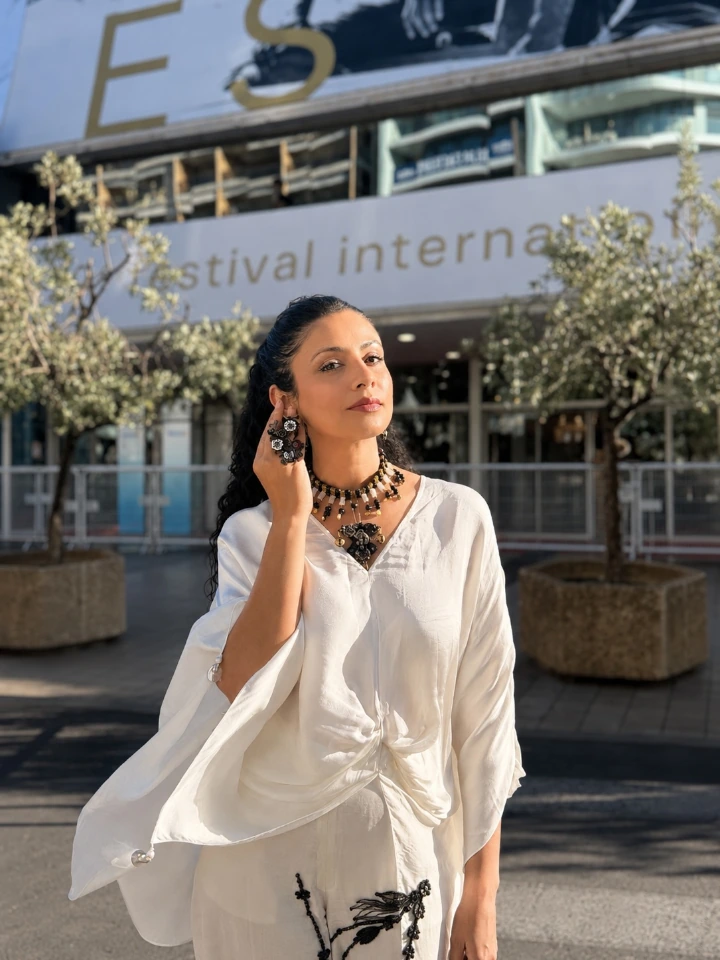
The award is equally important in the context of Gujarati cinema and regional storytelling. “Kutch Express” was a distinctly Gujarati film, and Manasi Parekh had not only played its central character but also co-produced the project with her husband, Parthiv Gohil. Her success therefore carried significance on two levels: it recognised her individual performance while drawing wider attention to the creative possibilities of Gujarati cinema.
The film itself received national recognition, winning the National Film Award for Best Feature Film Promoting National, Social and Environmental Values. Parekh has repeatedly spoken about her belief that regional films should reach audiences beyond their traditional markets, and her National Award helped demonstrate that a story rooted in Gujarati language and culture could achieve recognition on a national stage.
Perhaps most importantly, “Manasi Parekh’s National Award strengthened the case for nuanced female-led stories in regional cinema”. Monghi is not presented simply as a supporting wife or a stereotypical homemaker; her journey revolves around emotional upheaval, self-discovery and the gradual recognition of her own abilities.

Parekh’s restrained performance allowed those changes to emerge naturally, which was reflected in the official National Film Awards citation praising her nuanced portrayal of a woman enduring hardship with hope and talent.
For an actress who has also spoken about wanting to challenge the perceived limitations surrounding women-driven Gujarati films, the award became a powerful validation of that creative direction. It showed that a story centred on an ordinary woman could receive some of the country’s most prestigious cinematic recognition.
The award also changed the scale of Manasi Parekh’s career. In interviews following the win, she spoke about how the recognition opened new professional possibilities, including greater interest from brands and filmmakers. Yet its deeper value lies in what it allowed her to represent: an artist who has built her career patiently, embraced multiple creative disciplines and used her growing influence to support regional storytelling.
For Manasi Parekh, the National Film Award was therefore not simply a trophy for “Kutch Express”; it became a milestone that connected two decades of work with a larger conversation about Gujarati cinema, women-led narratives and the place of regional artists within Indian cinema.

Manasi Parekh’s Personality and Acting Style
“Manasi Parekh’s personality as an actress is marked by versatility, curiosity and a strong willingness to step outside her comfort zone”.
Throughout her career, she has moved between television, theatre, music, Hindi films, Gujarati cinema and OTT projects, rarely allowing herself to be defined by a single image. She has often spoken about her desire to avoid being typecast and has deliberately taken on characters that are very different from one another.
From the outspoken and contemporary Maya in “Sumit Sambhal Lega” to the emotionally restrained ‘Monghi’ in “Kutch Express” and the unconventional characters she explored in projects such as “Dear Father” and “Jhamkudi”, Manasi has demonstrated an ability to change her screen personality according to the demands of the role. Her career choices suggest that she approaches acting as an opportunity to discover different facets of human behaviour rather than simply reproduce a familiar performance.

A particularly distinctive quality of “Manasi Parekh’s acting style is her attention to detail”. She has repeatedly emphasised the importance of understanding a character from the inside, rather than depending only on appearance or dialogue delivery. Her preparation for ‘Monghi’ in “Kutch Express” is a strong example of this approach.
The character was a small-town homemaker from Kutch and was considerably different from Manasi herself, so she spent months working on her body language, mannerisms and dialect. The transformation was subtle rather than theatrical: she deliberately softened her physicality and developed a restrained manner of speaking and moving that suited Monghi’s background.
This attention to behavioural details helped make the character feel lived-in and believable and ultimately contributed to the performance that earned her the National Film Award for Best Actress.

Her “theatre background has also had a lasting influence on Manasi Parekh’s acting style”. She has described theatre as an experience that teaches actors to depend on themselves, understand the value of restraint and respond instinctively when something unexpected happens during a live performance.
Her work in “Maro Piyu Gayo Rangoon”, which was presented at London’s Globe Theatre, gave her valuable experience in combining acting, music and live performance. That background can be seen in the confidence with which she approaches emotionally demanding scenes as well as lighter comic material. She is capable of using physical expression and timing when a role requires humour, while also relying on silence, controlled reactions and understated emotion when a character calls for greater restraint.

Beyond her professional technique, “Manasi Parekh’s personality appears closely connected to her approach to work”. She has spoken about treating success and setbacks as temporary and about remaining grounded through her family and personal life. At the same time, she has maintained a willingness to experiment, whether through singing, producing films or taking on characters outside conventional expectations.
Her refusal to follow a strictly linear career path has become one of her defining strengths. Rather than building a career around one recognisable persona, Manasi has continued to evolve, allowing each medium and each character to add something new to her craft. That combination of emotional sensitivity, preparation, adaptability and creative fearlessness has become central to “Manasi Parekh’s personality and acting style”, and helps explain the longevity of her career across Indian entertainment.
She has played:
- emotionally complex television protagonists;
- comic wives and family characters;
- strong-willed women;
- Gujarati middle-class characters;
- dramatic supporting roles;
- a ghost in “Jhamkudi”;
- a traditional Kutch homemaker in “Kutch Express”;
- characters in Hindi, Tamil and Gujarati productions.
In her Filmfare interview, she described “Jhamkudi” as a particularly unusual experience because she played a ghost. This willingness to move between genres is one of the strongest characteristics of her career.

Manasi Parekh’s Social Media Presence
“Manasi Parekh maintains an active social media presence that reflects the different sides of her career as an actress, singer, producer and public figure”
Her social-media activity provides audiences with glimpses of her professional commitments, film projects, music, public appearances and cultural interests. Rather than presenting herself exclusively through her acting work, Manasi’s online presence reflects the multi-faceted career she has built over the years. Her posts and public interactions also complement the image that emerges from her interviews, where she frequently discusses cinema, Gujarati culture, music, theatre and the importance of maintaining a balance between professional and personal life.
Social media has also become an important platform for “Manasi Parekh to connect with audiences around her Gujarati cinema projects”. As an actress and producer, she has been able to use digital platforms to create awareness around films, share promotional material and celebrate milestones with viewers.
Her association with projects such as Kutch Express, Jhamkudi, Shubhchintak and other Gujarati productions has given her an opportunity to reach audiences directly rather than relying entirely on traditional entertainment media. This is particularly relevant to her larger efforts to promote Gujarati storytelling and encourage wider recognition for regional cinema.
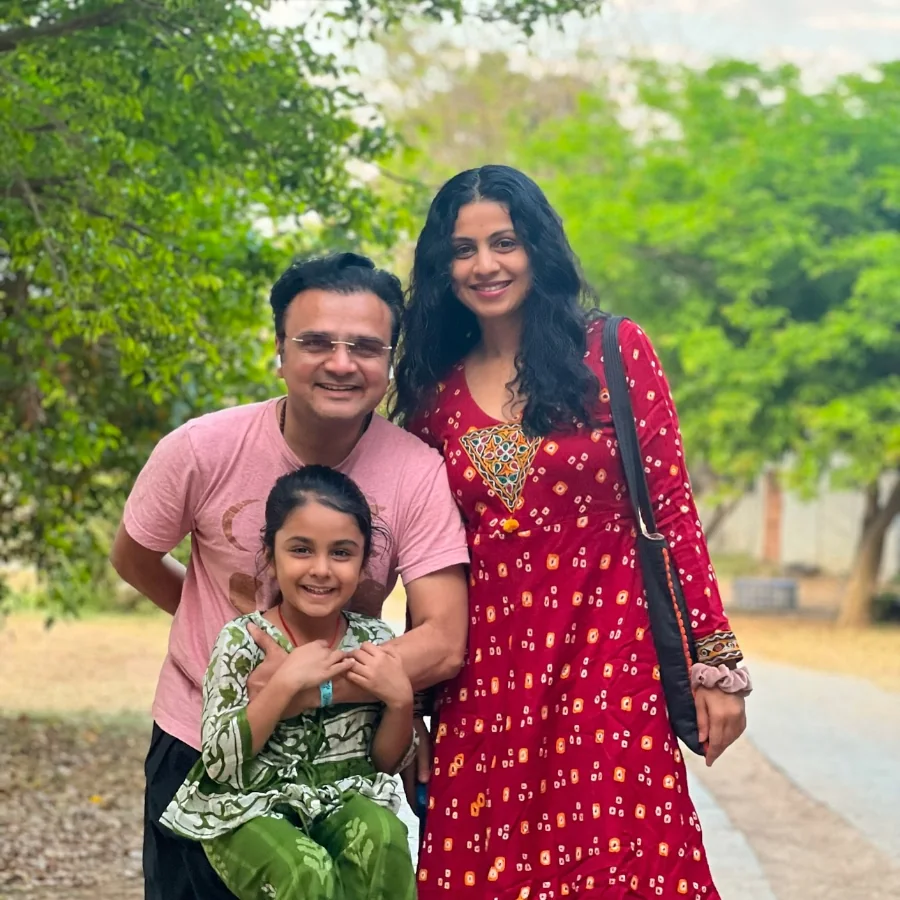
Another noticeable aspect of “Manasi Parekh’s social media presence is its connection with her musical and cultural identity”. Music has remained an important part of her life since childhood, and her digital presence often exists alongside the work she continues to pursue as a singer and performer.
Her connection with Gujarati traditions and music also forms part of the public persona she has cultivated over the years. This allows her social-media presence to function as more than a promotional channel; it provides an informal window into the artistic interests and cultural influences that have shaped her career.
At the same time, Manasi’s online presence complements her image as a “working mother and contemporary Indian entertainer”. She has spoken publicly about her daughter Nirvi, her family life and the challenge of balancing professional commitments with motherhood. Social media allows audiences to see occasional personal moments alongside her film-related activities, creating a more accessible connection with the actress beyond her on-screen roles.
Overall, “Manasi Parekh’s social media presence” mirrors the evolution of her career itself—moving beyond television acting to encompass Gujarati cinema, music, production, cultural advocacy and a more direct relationship with her audience.
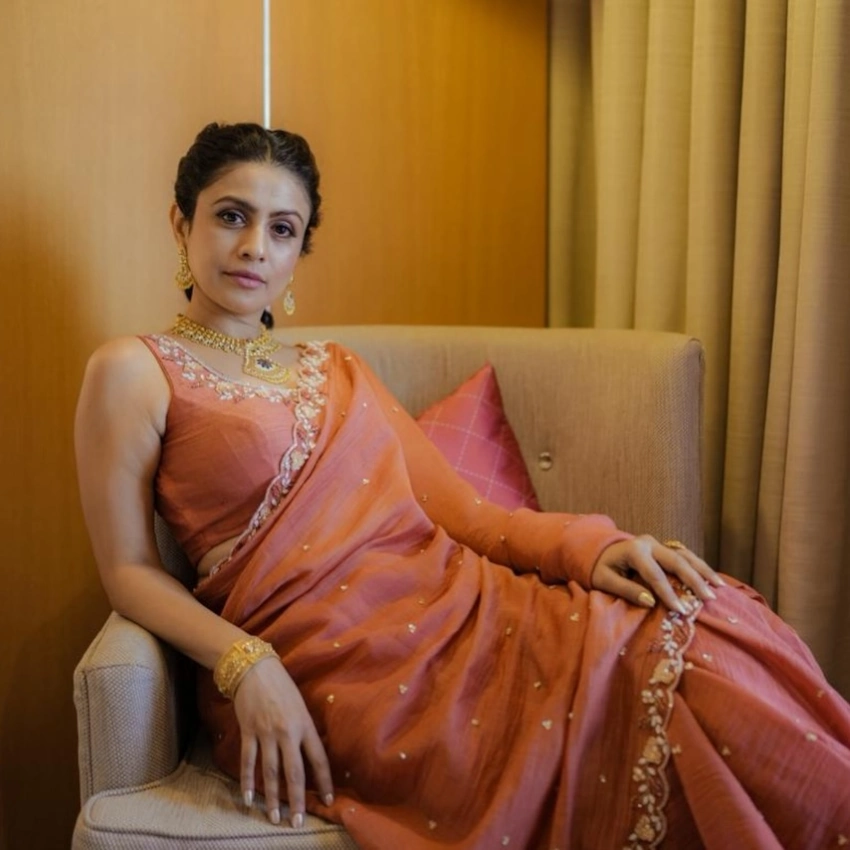
Manasi Parekh’s Net Worth
Manasi Parekh’s net worth is not officially known, as the actress has not publicly disclosed a verified figure for her personal wealth. Online estimates can vary considerably and should therefore be treated with caution rather than presented as confirmed financial information.
Her earnings are understood to come from several professional avenues, including acting in films and television, singing and live performances, film production, brand collaborations and other entertainment-related work. This diverse career has given Manasi multiple sources of income rather than tying her finances to acting alone.
Manasi’s career has expanded considerably over the years, which has also broadened her professional earning potential. From her early television work in shows such as Kitni Mast Hai Zindagi, India Calling and Gulaal to later appearances in Sumit Sambhal Lega, Uri: The Surgical Strike and Gujarati films, she has steadily built her profile across different areas of the entertainment industry.
Her work as a producer has added another important dimension to her career. Through ‘Soul Sutra’, the production venture associated with Manasi Parekh and Parthiv Gohil, she has participated in the development and production of Gujarati films including “Golkeri” and “Kutch Express”.

The success of “Kutch Express” and Manasi’s subsequent “National Film Award for Best Actress” also marked a significant increase in her professional standing. Following the award, she spoke about receiving greater opportunities, including interest from brands and new collaborations.
Her continued work across Gujarati cinema, Hindi projects, music and production has further strengthened her position in the entertainment industry. Rather than focusing on an unverified numerical figure, it is more accurate to view “Manasi Parekh’s financial growth” as the result of a two-decade career that has gradually expanded from television and theatre into acting, music, production and regional cinema.
As a result, any figure quoted online as Manasi Parekh’s net worth should be regarded as an approximate media or internet estimate unless supported by a reliable financial source. Her professional portfolio, however, clearly indicates a diversified career, with income opportunities extending beyond acting fees.
Her success as a National Award-winning actress and producer, together with her continuing involvement in Gujarati cinema and music, has established her as a multi-disciplinary entertainment professional whose career has continued to grow in both creative and commercial terms.
Her income is understood to come from multiple professional areas, including:
- acting;
- film production;
- television;
- singing and performances;
- brand collaborations;
- digital projects;
- Gujarati cinema.

Manasi Parekh’s Legacy
“Manasi Parekh’s legacy is rooted in versatility, persistence and her ability to move confidently across different areas of Indian entertainment”.
Beginning her career in television, she gradually established herself as an actress, singer and theatre performer before expanding into films and production. Her journey is notable because she never allowed herself to be defined by a single medium or a particular screen image.
From television characters such as ‘Gulaal’ and ‘Maya’ in “Sumit Sambhal Lega” to her work in Hindi and Gujarati cinema, Manasi has consistently looked for opportunities that allow her to experiment and grow. Her extensive experience across different formats has made her a distinctive figure in contemporary Indian entertainment.
A particularly important part of “Manasi Parekh’s legacy is her contribution to Gujarati cinema”. Through films such as “Golkeri” and “Kutch Express”, she has demonstrated her commitment to stories rooted in Gujarati language and culture while also seeking to take those stories to wider audiences.

Her involvement as a producer through Soul Sutra has given her an opportunity to participate in filmmaking beyond the performance itself. Her work has also reflected her interest in stronger and more contemporary roles for women, helping demonstrate that Gujarati films can place complex female characters at the centre of commercially accessible stories. Her performance as Monghi in “Kutch Express” became the clearest expression of this approach.
The “National Film Award for Best Actress”, which Manasi received for “Kutch Express” in 2024, represents the most prestigious milestone in her career and an important part of her legacy. The honour recognised the depth and subtlety of her performance and brought national attention to an actress whose career had largely been built through television, theatre and regional cinema.
The recognition was significant for Gujarati cinema as well, particularly because it demonstrated that a story created in a regional language could earn one of India’s highest cinematic honours. For Manasi, the award also validated years of persistence and her decision to pursue opportunities outside conventional Bollywood pathways.
Her legacy extends beyond acting into “music and live performance”, areas that have remained closely connected to her identity since the beginning of her career. Her theatre work, including the internationally presented “Maro Piyu Gayo Rangoon”, strengthened her understanding of live performance and helped shape her approach to acting.

At the same time, her continued involvement in singing reflects the artistic foundation with which she entered the entertainment industry. By combining acting, music, theatre and production rather than treating them as separate pursuits, Manasi has built a career that reflects the increasingly multi-disciplinary nature of the modern Indian entertainment industry.
Ultimately, “Manasi Parekh’s legacy is still evolving”. Her career demonstrates that recognition does not necessarily have to come through a conventional route and that regional cinema can provide an artist with opportunities for both creative expression and national visibility.
As an actress, producer and advocate for Gujarati storytelling, she has helped bring greater attention to contemporary regional narratives while continuing to challenge herself with different characters and creative responsibilities.
Her National Award-winning performance in “Kutch Express” may stand as the defining achievement of her career so far, but the broader legacy of Manasi Parekh lies in the diverse body of work and the independent creative path she has built over more than two decades.

Frequently Asked Questions About Manasi Parekh
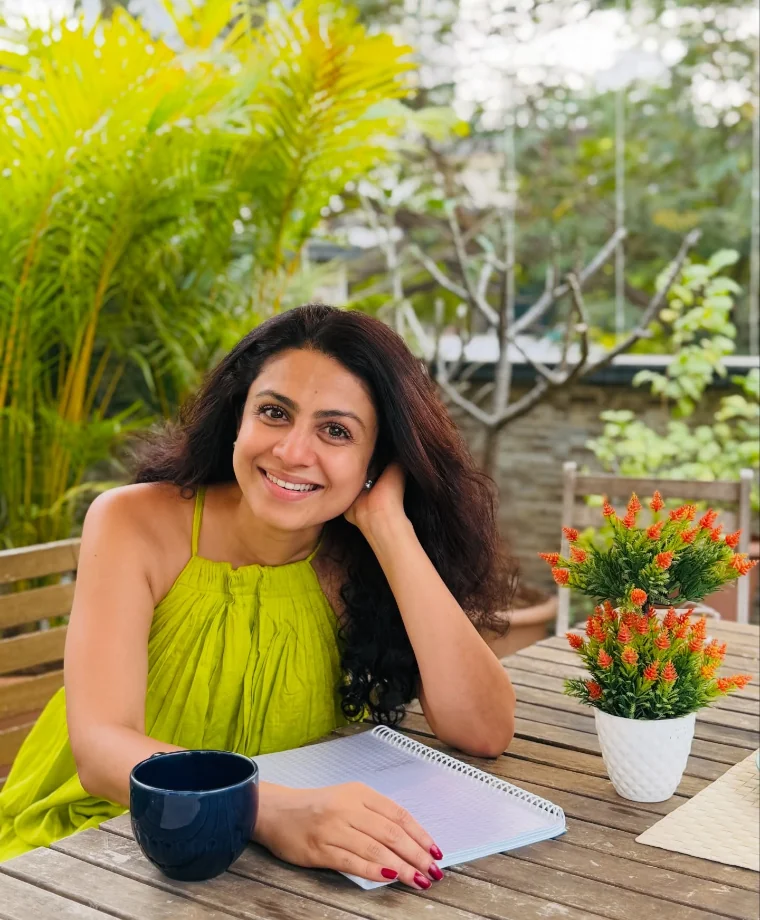
Manasi Parekh at a Glance
- Full Name: Manasi Parekh Gohil
- Profession: Actress, singer, producer and content creator
- Date of Birth: 10 July 1986
- Birthplace: Sources differ between Ahmedabad, Gujarat, and Mumbai; Parekh has publicly described herself as born and brought up in Mumbai.
- Hometown/Cultural Roots: Ahmedabad, Gujarat / Gujarati heritage
- Education: Bachelor of Arts in English Literature
- School: J. B. Vachha High School, Mumbai
- College: St. Xavier’s College, Mumbai
- Years Active: 2004–present
- Spouse: Parthiv Gohil
- Marriage: 2008
- Children: One daughter, Nirvi
- Parents: Mahesh Parekh and Manisha Parekh
- Languages/Industries: Hindi, Gujarati and Tamil entertainment
- Television Breakthrough: India Calling
- Major Television Roles: ‘Gulaal’ and “Sumit Sambhal Lega”
- Reality Show Achievement: Winner of “Star Ya Rockstar”
- Film Debut: Leelai (Tamil, 2012)
- Hindi Film Recognition: Uri: The Surgical Strike (2019)
- Gujarati Film Debut: Golkeri (2020)
- National Award-winning Film: Kutch Express
- National Award: Best Actress in a Leading Role, 70th National Film Awards
- Production Company: Soul Sutra Studios
- Notable Recent Films: Jhamkudi, Ittaa Kittaa, Shubhchintak, Maharani and Misri

Final Assessment
Manasi Parekh’s journey is a story of evolution rather than overnight success. From a young singer and theatre enthusiast in Mumbai to a television actress, film performer, producer and National Film Award winner, she has built her career one experience at a time. What makes her story particularly compelling is the variety of paths she has explored.
She has worked in television, theatre, music, Hindi cinema, Tamil cinema, Gujarati cinema and production, allowing every stage of her career to contribute something to the artist she has eventually become. Her journey is a reminder that a successful career does not always follow a straight line; sometimes, it is the willingness to explore different directions that creates the most meaningful destination.

The early years of “Manasi Parekh’s career” laid the foundation for the versatility that later became her greatest strength. Her television work introduced her to a wide audience, while shows such as “Gulaal” and “Sumit Sambhal Lega” gave her opportunities to demonstrate both dramatic ability and comic timing.
Theatre added another dimension to her craft, teaching her spontaneity, discipline and the importance of responding instinctively to a live audience. At the same time, music remained an important part of her artistic identity. Instead of abandoning one creative pursuit for another, Manasi allowed acting, singing and theatre to exist alongside each other, gradually developing a personality that could not be confined to a single professional label.
Her transition into Gujarati cinema became one of the most significant chapters of her career. Films such as “Golkeri” and “Kutch Express” allowed Manasi to reconnect her professional life with her cultural roots while exploring stories that offered greater depth to female characters.
Her work as a producer further strengthened that commitment, giving her a role in deciding which stories could be brought to audiences. With “Kutch Express”, she took on the demanding dual responsibility of acting and producing, transforming herself into ‘Monghi’ through careful attention to dialect, mannerisms and body language. The result was a performance that resonated far beyond the film’s regional origins.

The “National Film Award for Best Actress for ‘Kutch Express'” became the defining recognition of that journey. Yet the importance of the award lies in more than the trophy itself. It represented the culmination of years of work across mediums and demonstrated that a performance in a Gujarati-language film could command national recognition. It also reinforced the possibilities for regional cinema and female-led storytelling.
Manasi’s achievement showed that an actress does not need to abandon her cultural identity to achieve national visibility; instead, authenticity itself can become a source of strength. In many ways, her National Award turned a personal milestone into a celebration of the possibilities within contemporary Gujarati cinema.
Another important part of “Manasi Parekh’s story is the balance between ambition and personal life”. Her journey as a working mother, wife, actress, singer and producer illustrates the complexity of sustaining a creative career while remaining closely connected to family. Her conversations about motherhood and her daughter Nirvi have revealed a woman who does not believe that professional ambition and family responsibilities have to exist in opposition.
With the support of her family, she has continued to take on demanding projects while remaining involved in her daughter’s everyday life. That aspect of her journey adds a deeply human dimension to the public image of the National Award-winning actress.

Manasi’s career also carries a broader message about creative independence. Instead of waiting indefinitely for conventional opportunities, she has increasingly chosen to create them herself through production and regional cinema. Her work with ‘Soul Sutra’ and her continuing interest in Gujarati storytelling reflect a desire not merely to participate in the entertainment industry but to contribute to the stories it tells. Her career can therefore be viewed through several interconnected achievements:
- A versatile actress: From television and theatre to Hindi, Tamil and Gujarati cinema, Manasi has consistently embraced varied roles.
- A National Award-winning performer: Her portrayal of ‘Monghi’ in “Kutch Express” earned her the National Film Award for Best Actress.
- A champion of Gujarati cinema: She has helped bring contemporary Gujarati stories to wider audiences while retaining their linguistic and cultural identity.
- A producer with creative ambition: Through Soul Sutra, she has taken an active role in developing and supporting regional film projects.
- A trained and accomplished singer: Music has remained an important part of her artistic identity since before she became an actress.
- A theatre-trained performer: Her stage work, including “Maro Piyu Gayo Rangoon”, has played an important role in shaping her acting craft.
- A working mother: Her ability to balance motherhood with a demanding creative career has become another significant dimension of her public journey.
Perhaps the most fitting way to understand Manasi Parekh’s legacy is through the lessons embedded in her career. She has demonstrated that reinvention can be a strength, that regional stories can travel beyond geographical boundaries, and that an artist can continue evolving without leaving earlier passions behind.

Her own reflections on success have often carried a sense of perspective: achievements are meaningful, but they do not define an entire life. That outlook is beautifully captured in the thought, “A career is not built in a single moment; it is built in all the moments when you choose to keep going”.
For Manasi, the choice to keep experimenting—to sing, perform, produce, return to theatre, embrace Gujarati cinema and take on unfamiliar characters—has ultimately shaped the career that audiences recognise today.
There is also something quietly inspiring about the fact that “Manasi Parekh did not begin with the certainty that acting would become her calling”. She entered the profession almost unexpectedly, discovered an ability to connect with characters and audiences, and then spent years refining that ability.
Her story proves that sometimes passion reveals itself through experience rather than arriving fully formed at the beginning. From the young performer who stepped into television to the actress who stood on the National Film Award stage, each chapter has added another layer to her artistic identity.

A Poetic Article Conclusion
She began with a song,
found her voice on the stage,
carried stories from Gujarat to wider horizons,
and turned every new role into another beginning.
Manasi Parekh’s journey is not simply a story of fame;
it is a story of finding courage in change,
of turning roots into wings,
and of proving that when an artist stays true to her voice,
even the smallest story can find its way to the biggest stage.
Her journey continues—but her story has already become an inspiration:
not because she reached the top, but because she kept choosing to grow.

Main Article Sources
- Manasi Parekh – Wikipedia
- Manasi Parekh – IMDb Profile
- Manasi Parekh – IMDb Biography
- Manasi Parekh – Bookmyshow Filmography
- And also referred other reliable Biographies and articles available on the Internet.
Image Credit
For more information, you can visit our website: Histarz
CTA
Want to know more about Manasi Parekh?
Explore her complete biography, including her early life, education, family, husband Parthiv Gohil, daughter Nirvi, television shows, singing career, Gujarati films, National Award-winning performance, production ventures, upcoming projects and social-media presence.
Latest Posts
- Raksha Khadse (an Indian Politician) Age, Biography, Marriage, Husband, Family, Children, Career, Early Life, Education, Net Worth, Life Stories & More

- Maddie Ziegler (an American Actress, Dancer, Author & Model) Age, Biography, Boyfriend, Marriage, Husband, Family, Model, Children, Career, Early Life, Education, Net Worth, Life Stories & More
- Manasi Parekh (Indian National Award-winning Actress) Age, Biography, Boyfriend, Marriage, Husband, Family, Model, Children, Career, Early Life, Education, Net Worth, Life Stories & More
- Piper Rockelle (American Actress) Age, Biography, Boyfriend, Marriage, Husband, Family, Model, Children, Career, Early Life, Education, Net Worth, Life Stories & More
- Teresa Palmer (an Australian Actress) Age, Biography, Boyfriend, Marriage, Husband, Family, Model, Children, Career, Early Life, Education, Net Worth, Life Stories & More
- Puja Bharadwaj (NDTV Journalist) Age, Biography, Boyfriend, Marriage, Husband, Family, Model, Children, Career, Early Life, Education, Net Worth, Life Stories & More